Blog

  • Princess Andre ‘Completely Horrified and Desperate’ to Save Mum Katie Price from New Husband Lee Andrews

    Princess Andre ‘Completely Horrified and Desperate’ to Save Mum Katie Price from New Husband Lee Andrews

    The British media and fans have been captivated by the recent developments in Katie Price’s personal life — particularly her whirlwind marriage to businessman Lee Andrews and the very public reaction from her eldest daughter, Princess Andre. What started as a surprise wedding in Dubai has quickly spiraled into concern and heartbreak within Price’s family, with Princess reportedly being “completely horrified” by her mother’s decision and desperate to intervene.

    A Sudden Marriage Sparks Family Alarm

    In late January 2026, former glamour model Katie Price, 47, married Lee Andrews in an unexpected ceremony in Dubai — just days after meeting him. The rapid pace of the relationship shocked not only the public but also Price’s closest family members. According to reports, Price’s relatives were left entirely unaware that the wedding was happening and were “completely horrified” by the surprise nuptials.

    An insider close to the family said that the suddenness of the wedding — reportedly within about a week of the couple meeting — prompted serious concern among Price’s loved ones, who believed the relationship moved far too quickly without them knowing who Andrews truly was.

    Princess Andre’s Reaction: Shock and Desperation

    Among those most affected by the news was Price’s daughter Princess Andre, 18. According to reports, Princess was “completely horrified” when she first learned about her mother’s marriage — discovering it online like many others and alarmed by social media claims about Andrews’s past.

    Insiders revealed that Princess took matters into her own hands in an attempt to protect her mother. She reportedly organised an intervention, bringing in two women who previously dated Andrews to speak with Katie about their concerns. These women, Alana Percival and Crystal Janke, allegedly shared troubling stories about Andrews’s behaviour and actions in past relationships.

    According to the insider, Princess hoped that hearing directly from people who had been romantically involved with Andrews might persuade her mother to reconsider. At one point, Katie appeared receptive to the message, leaving Princess filled with hope. However, at the last moment Katie reversed her stance and returned to Dubai to reunite with her new husband, leaving Princess “utterly heartbroken” and deeply concerned for her mother’s future.

    Broader Family Concerns

    The worry about Katie Price’s relationship isn’t limited to Princess alone. Reports suggest that Price’s five children — including Harvey, Junior, Jett, and Bunny — were all caught off guard by the news of her wedding. Sources say the family is preparing to have a “serious talk” with Price over her decision to marry so quickly, given how little time she and Andrews had known each other and how few details were shared.

    Additionally, questions about Andrews’s past — including allegations of manipulated photos and contentious personal history — have only intensified their concerns. Critics online have urged Price to reconsider her choices, although she has publicly defended her decision, saying she is a grown woman who knows what she is doing.

    Katie Price’s Response

    Despite the worry and public commentary, Katie Price has maintained her stance on the marriage. In a recent vlog and social media statements, she insisted that she is “not stupid” and that she is aware of criticisms about her relationship but stands by her choices. Price has reaffirmed her happiness and expressed her intention to return to Dubai to be with Andrews, even amid family objections.

    This steadfast position — juxtaposed with her family’s visible concern — highlights the emotional and relational complexity surrounding the union, particularly for Princess Andre, who has been candid in recent public appearances about how deeply she feels and how much her mother’s wellbeing matters to her.

    What Comes Next?

    As the story continues to unfold, Princess Andre’s efforts to protect her mother reflect a broader theme familiar in celebrity family dynamics: the emotional toll of high‑profile personal decisions. Whether Princess’s intervention will ultimately influence Katie Price remains uncertain, but her deep concern and proactive response have reinforced how invested she is in her mother’s welfare.

    In the meantime, Price’s marriage to Lee Andrews continues to attract media attention, with both critics and supporters weighing in. But amid all the publicity, the heartfelt reactions from her family — especially Princess — make it clear that this is more than just tabloid fodder for those closest to her.

  • Why People Are Furious About Bad Bunny Right Now

    Why People Are Furious About Bad Bunny Right Now

    If you spent any time on social media following Super Bowl LX, you likely encountered a digital battlefield. The 2026 halftime show featuring Bad Bunny (Benito Antonio Martínez Ocasio) didn’t just trend; it ignited a full-scale “outrage ecosystem.” In a world where viral behavior is the currency of the day, being the most-talked-about person on the planet often comes with a side of intense, unfiltered fury.

    The backlash to Benito’s set at Levi’s Stadium was swift, organized, and deeply reflective of the polarized state of 2026. This wasn’t just a debate about music; it was a collision of competing visions for what “America” should look and sound like.

    The Language Barrier as a Cultural Frontline

    The most immediate source of anger for a vocal segment of the audience was the language. Bad Bunny made history as the first solo artist to perform a Super Bowl halftime set almost entirely in Spanish. For many, this was seen as a “slap in the face” to English-speaking Americans.

    • The “Unintelligible” Argument: High-profile critics, including President Donald Trump, took to Truth Social to claim that “nobody understands a word this guy is saying.” The choice to perform in Spanish was framed not as an act of cultural pride, but as an act of exclusion.
    • The SNL Prophecy: Fans were quick to point back to Benito’s 2025 Saturday Night Live appearance, where he told viewers they had “four months to learn Spanish” before the Super Bowl. What he intended as a playful challenge was interpreted by his detractors as a smug dismissal of traditional American norms.

    The “ICE Out” Activism

    The fury was further stoked by Bad Bunny’s overt political stances. Just a week prior at the 2026 Grammys, he ended his acceptance speech with a defiant “ICE out!”—a direct jab at the administration’s immigration policies.

    While he didn’t repeat the phrase during the halftime show, the performance was riddled with what critics called “woke” symbolism. From dancers climbing “fizzling” electricity pylons—a nod to Puerto Rico’s power grid failures—to the prominent display of the Puerto Rican independence flag, the set was viewed by the Right as a “political stunt” funded by the NFL. The fact that he bypassed the U.S. leg of his recent tour to “protect fans from ICE” only added to the narrative that he “hates America.”

    The Battle of the Halftime Shows

    The outrage was so concentrated that it birthed its own counter-culture event. Turning Point USA hosted an “All-American Halftime Show” simultaneously, featuring Kid Rock and Lee Brice. This alternative broadcast drew over five million viewers, serving as a digital clubhouse for those who felt “alienated” by the official show.

    On X and TikTok, the “disgusting dancing” (a term popularized by the President’s critique) became a viral flashpoint. Clips of perreo—the heavy-grinding dance style synonymous with reggaeton—were labeled as “inappropriate for children” and “foreign.” The satire machine went into overdrive, with AI-generated images of burning American flags (which never happened) being shared as “evidence” of the show’s anti-American sentiment.

    Why the Outrage Thrives

    In 2026, the outrage ecosystem doesn’t need facts to thrive; it needs arousal. The fury surrounding Bad Bunny is profitable for the “Outrage Economy.” Every angry tweet, every boycott call, and every “reaction video” fuels the very visibility that both the artist and his critics crave.

    The truth is that while 29% of the country may have disapproved of the show, it was also the most-watched halftime performance in history, with 135.4 million viewers. The fury isn’t a sign of failure; in the modern pop culture cycle, it’s a sign of absolute dominance. We are furious because we are paying attention—and in 2026, that is the only thing that matters.

  • Casting Rumors: David Thewlis ‘Sick of Talking About’ Potential Harry Potter Return

    Casting Rumors: David Thewlis ‘Sick of Talking About’ Potential Harry Potter Return

    The Harry Potter franchise has remained one of the most beloved and enduring entertainment phenomena over the past two decades, inspiring movies, theme parks, spinoffs, fandom communities, and — most recently — a new HBO TV adaptation slated to premiere in 2027. Among the hottest topics surrounding the reboot is the question of whether original cast members will return. But one actor — David Thewlis, who famously played Professor Remus Lupin — has made it perfectly clear that he’s tired of discussing his potential return. His candid reaction has sparked fresh casting rumors, fan debate, and industry chatter.

    In this post, we dive into what Thewlis said, why he feels that way, how fans are reacting, and what this means for the future of the Harry Potter franchise.


    Who Is David Thewlis and Why His Comments Matter

    David Thewlis, a respected British actor, portrayed Professor Remus Lupin — the compassionate Defense Against the Dark Arts teacher and former member of the Marauders — beginning with Harry Potter and the Prisoner of Azkaban in 2004. He went on to reprise the role in multiple sequels through Deathly Hallows: Part 2. Lupin became a fan favorite due to his empathy, complexity, and tragic backstory.

    With the Harry Potter franchise now expanding under HBO’s new adaptation — a series that will retell each of J.K. Rowling’s seven books across multiple seasons — speculation has been rampant about which original stars might return. However, Thewlis’s recent interview suggests his chapter with Harry’s magical world is firmly closed.


    David Thewlis Is ‘Sick of Talking About It’

    In a recent interview with ScreenTime, David Thewlis expressed clear frustration with being repeatedly asked whether he would reprise his role or participate in the upcoming HBO project. His response was direct and unambiguous:

    “No I wouldn’t want to go back into it, because I’ve had quite enough of that. Sick of talking about it, quite honestly.”

    Although he delivered the comment with a laugh, the underlying sentiment was unmistakable: Thewlis feels tired of constant speculation about Harry Potter and prefers to focus on his current work. At 62 years old, he also pointed out that he feels too old to play Lupin again — a character who was in his 30s during the stories he appeared in.

    Thewlis’s statements go beyond a polite refusal; they reflect genuine fatigue with discussing the franchise and its legacy. That’s understandable given how often actors from iconic series are asked the same questions long after their roles have ended.


    The HBO Harry Potter Adaptation and Casting Rumors

    The HBO reboot has generated immense excitement since its announcement. Unlike the original films, which condensed multiple book plots, the TV series will adapt each book season by season, offering deeper character exploration and fresher storytelling opportunities.

    Already, casting news has begun to surface:

    • Dominic McLaughlin will portray Harry Potter.
    • Arabella Stanton and Alastair Stout have been cast as Hermione Granger and Ron Weasley, respectively.
    • Veteran actors such as John Lithgow as Dumbledore have also joined the project.

    Despite this excitement, fans have been eager to hear whether any original cast members might make cameo appearances or reprise roles reminiscent of their iconic portrayals. But Thewlis, with his candid comments, has firmly shut down that possibility — at least where Lupin is concerned.

    Interestingly, not all original stars have ruled out involvement. For example, Warwick Davis was reported to be returning in some capacity earlier in the casting process, underscoring that not every fan favorite has made definitive statements — but Thewlis’s reaction highlights a clear divide in how actors are approaching the new project.


    Why Thewlis May Feel This Way

    There are several reasons entertainment observers believe Thewlis is distancing himself from Harry Potter talk:

    1. Repeated Questions Over the Years

    For decades, media interviews have circled back to his time in the wizarding world, making it difficult for Thewlis to move the conversation forward. His comment that he’s “sick of talking about it” reflects the frustration many actors feel when a single role overshadows their broader career.

    2. Character Age vs. Actor Age

    Remus Lupin was only supposed to be in his early to mid‑30s when introduced in Prisoner of Azkaban. Now, at 62, Thewlis feels the age difference makes a return unrealistic — and he’s publicly acknowledged that mismatch.

    3. Professional Growth Beyond the Franchise

    Thewlis has built a diverse career in TV and film outside of Harry Potter. For instance, he’s promoting his role in the second season of The Artful Dodger on Disney+ — clearly indicating he has moved on from the wizarding world professionally.


    Fan Reactions and Industry Buzz

    Fans across social media have responded to Thewlis’s comments with a mix of disappointment and understanding. Some express sadness that Lupin won’t return, while others respect Thewlis’s desire to pursue new creative challenges. On fan forums, discussions range from nostalgia for the original movies to excitement for the HBO adaptation’s fresh cast — even without Thewlis’s involvement.

    Industry watchers have noted that as the Harry Potter universe grows, not every original cast member will return — and that may be a positive thing. Fresh faces allow the new series to establish its own identity while honoring the magical world J.K. Rowling created.


    What This Means for the Franchise

    David Thewlis’s refusal to discuss a return doesn’t diminish the Harry Potter universe’s cultural footprint — it simply signals a shift in how legacy talent is engaging with ongoing expansions of the story. Whereas some original cast members may welcome nostalgia and cameos, others like Thewlis choose to let their time in the franchise remain a treasured part of the past.

    For fans, this means embracing the HBO series on its own terms: a fresh yet faithful retelling with a new generation of actors stepping into world‑building roles. Casting rumors will continue, and speculation may evolve — but the creative focus is clearly on what’s next, not what’s behind.


    Final Thoughts

    David Thewlis’s honest reaction to casting rumors has sparked conversation across the entertainment world. While some fans may be disappointed that Lupin is unlikely to return, his candid comments highlight the complexities actors face when iconic roles define their public image for decades.

    Ultimately, Thewlis’s stance underscores a broader truth about franchises: nostalgia has value, but so does artistic evolution. As the Harry Potter universe continues to grow with the HBO adaptation and beyond, fans can celebrate both the legacy of the original films and the fresh possibilities that lie ahead.

  • The Ever-Evolving World of Celebrity Gossip: Drama, Style, and Scandals That Keep Us Hooked

    The Ever-Evolving World of Celebrity Gossip: Drama, Style, and Scandals That Keep Us Hooked

    Celebrity gossip has long been a captivating aspect of popular culture, weaving together stories of romance, rivalry, success, and scandal. Whether it’s the latest Hollywood breakup, a surprise collaboration in the music world, or a fashion statement that turns heads, the gossip mill churns ceaselessly, feeding our collective curiosity. In a media landscape driven by social platforms, viral moments, and 24/7 news cycles, celebrity gossip continues to thrive—and evolve.

    This blog dives into why we remain obsessed with celebrity gossip, highlights some of the most talked-about stars like Kim Kardashian, BTS’s Jungkook, Billie Eilish, and more, and explores how the culture of gossip is shifting in today’s digital age.


    The fascination with celebrity gossip stems from a desire to glimpse behind the curtain of glamour and fame. Celebrities live lives that seem extraordinary and aspirational, yet their human flaws and drama make them relatable. It’s a paradox that keeps audiences enthralled—watching icons navigate love, career, and controversy just like anyone else.

    Kim Kardashian is a perennial figure in celebrity news. Her family’s influence on reality TV and pop culture, combined with her savvy business ventures, keep her in the spotlight. Recent rumors about her personal life, business expansions, and fashion choices regularly dominate headlines and social feeds.

    K-pop sensation Jungkook of BTS has surged into celebrity gossip territory as his solo projects, rumored relationships, and style evolution excite fans worldwide. BTS’s global fandom fuels intense discussion, blending admiration with speculation, illustrating how celebrity gossip transcends cultural boundaries.

    Billie Eilish represents a new generation of stars whose candidness and authenticity resonate deeply. Her public openness about mental health, relationships, and body image challenges traditional celebrity mystique and fosters a more nuanced form of gossip—one that values vulnerability and realness.

    The rise of social media influencers and digital natives has democratized celebrity gossip. Platforms like TikTok and YouTube host countless creators who dissect celebrity news, share theories, and even create parody content. This user-generated gossip culture blurs the lines between fans and stars, making gossip more interactive and participatory.

    Despite its entertainment value, celebrity gossip also raises ethical questions. The constant media scrutiny can invade privacy and contribute to mental health struggles for public figures. Discussions about responsible journalism and respect for boundaries have gained traction, prompting some media outlets and fans to reconsider their approach.

    Some celebrities take control of their narratives, using social media to address rumors head-on or share personal milestones on their own terms. This direct communication fosters transparency but also accelerates the news cycle, leaving little room for nuance.

    Gossip often intersects with wider social themes. For example, stories about celebrity activism spotlight issues like climate change, racial justice, and gender equality. When stars like Zendaya or Leonardo DiCaprio champion causes, it adds depth to celebrity coverage, blending entertainment with impact.

    Fashion remains a major driver of celebrity gossip. Red carpet events, music videos, and street style moments spark endless analysis and debate. Designers, stylists, and celebrities collaborate to create looks that tell stories, challenge norms, or pay homage to cultural icons, fueling both admiration and controversy.

    Award seasons amplify celebrity gossip, with rumors of rivalries, romance, and backstage drama dominating coverage. The anticipation and spectacle create an ongoing narrative that fans eagerly follow.

    Celebrity gossip is also a powerful economic engine. It drives magazine sales, website traffic, advertising revenue, and social media engagement. Brands align with celebrities to capitalize on their influence, making gossip not just about stories but about business.

    As audiences become more media savvy, there is a growing appetite for authentic, nuanced storytelling rather than sensationalism. Documentaries, podcasts, and in-depth profiles offer more context, humanizing celebrities and providing insight beyond headlines.

    In conclusion, celebrity gossip remains a vibrant, evolving part of culture—a blend of fascination, connection, and entertainment. By appreciating its complexities and embracing thoughtful consumption, fans can enjoy the drama while respecting the real lives behind the stories.

  • Why We Can’t Look Away from the Stories Behind the Stars

    Why We Can’t Look Away from the Stories Behind the Stars

    Celebrity gossip has been a cultural staple for decades, captivating audiences with tales of glitz, glamour, drama, and sometimes controversy. It’s a window into the lives of those who seem larger than life, offering a mix of escapism, fascination, and connection. From Hollywood legends to music icons and social media sensations, the stories that swirl around celebrities fuel conversations worldwide.

    This blog explores the enduring allure of celebrity gossip, its impact on public perception, and some of the latest buzz involving well-known personalities like Taylor Swift, Kanye West, Zendaya, and more.


    People’s fascination with celebrity gossip taps into a universal human trait: curiosity about others’ lives, especially those who live in the spotlight. The allure comes from a mix of admiration, envy, and the desire to understand how the famous navigate fame, fortune, and personal challenges.

    Recent headlines have been dominated by the whirlwind life of Taylor Swift, whose ongoing album releases and public relationships never fail to spark media frenzy. Her ability to turn personal experiences into chart-topping hits has fans and critics alike closely following every move. Swift’s recent interactions with fellow celebrities and rumored collaborations keep gossip columns buzzing.

    Kanye West, known for his boundary-pushing music and outspoken personality, is another figure consistently at the center of media attention. His recent ventures into fashion and politics, combined with highly publicized personal life events, create a constant stream of stories that feed public intrigue and debate.

    Zendaya, rising star of both film and fashion worlds, exemplifies how celebrity gossip has evolved with social media. Her poised responses to rumors and transparent glimpses into her life create a dynamic where fans feel connected yet respectful, demonstrating a shift toward more mindful consumption of celebrity news.

    Celebrity gossip is not limited to personal drama; it extends to fashion statements, philanthropic efforts, and social causes. When celebrities like Rihanna use their platform for advocacy, it generates positive buzz and raises awareness, showing the multifaceted nature of fame.

    The internet age has revolutionized gossip dissemination. Platforms like Instagram, Twitter, and TikTok allow celebrities to control narratives, share moments directly, and engage with fans in real time. However, this immediacy also fuels speculation and misinformation, making it crucial for audiences to discern fact from rumor.

    While some dismiss celebrity gossip as trivial, it plays a significant role in popular culture and the entertainment industry. It drives media traffic, influences fashion trends, and shapes public personas. The interplay between celebrities and gossip media is symbiotic—each depends on the other for relevance and reach.

    The effects of gossip on celebrities can be profound. Constant scrutiny can impact mental health, prompting some stars to advocate for privacy rights and responsible journalism. Celebrities like Selena Gomez and Harry Styles have openly discussed the pressures of fame, humanizing their experiences beyond headlines.

    Some gossip stories spark wider conversations about societal issues such as gender, race, and power dynamics. For instance, controversies involving figures like Britney Spears brought attention to topics like autonomy and conservatorship, illustrating how celebrity stories intersect with legal and ethical debates.

    The allure of celebrity gossip also reflects broader social dynamics—aspirations, ideals, and anxieties projected onto public figures. It can serve as a mirror, revealing what society values or fears at a given moment.

    For fans, following celebrity gossip offers connection and community. Sharing opinions, debating theories, and celebrating successes foster social bonds across diverse groups.

    In recent months, gossip around the “Red Carpet Season” has highlighted dramatic fashion choices, rumored romances, and behind-the-scenes tensions among stars. The upcoming award shows promise new chapters in this ongoing saga.

    In summary, celebrity gossip is more than idle chatter. It is a complex cultural phenomenon reflecting human nature, media evolution, and the multifaceted lives of the famous. By approaching it with curiosity, critical thinking, and empathy, audiences can enjoy the stories while appreciating the real people behind the headlines.

  • Hollywood Hype: The Latest Celebrity Gossip You Can’t Miss

    Hollywood Hype: The Latest Celebrity Gossip You Can’t Miss

    The world of celebrity gossip never slows down, and this month is no exception. From surprising breakups and steamy new romances to unexpected friendships and red carpet drama, the buzz around Hollywood’s biggest stars keeps fans hooked. Whether it’s whispered secrets from exclusive parties or viral social media moments, celebrity lives continue to be a captivating mix of glamour, drama, and human moments. Here’s the latest scoop making waves in the entertainment world.

    First up, the rumored rekindling of the on-again, off-again couple [Star A] and [Star B] has fans buzzing across social media platforms. After months of speculation and cryptic posts, the two were spotted cozying up during a private dinner in Los Angeles, sparking widespread excitement and a flood of “couple goals” comments. Insiders hint that this reunion might be more serious than past attempts, as both stars seem committed to putting their past behind them. Fans are eagerly awaiting an official confirmation, but the chemistry is clearly back in full force.

    Meanwhile, a shocking breakup has left many surprised as [Star C] and [Star D], once hailed as one of Hollywood’s most stable power couples, have called it quits. The split reportedly came after months of growing apart due to conflicting schedules and lifestyle differences. Both stars have remained tight-lipped publicly but have been seen seeking solace with close friends and family. The breakup has sparked conversations about the pressures of maintaining relationships in the spotlight and the challenges of balancing fame with personal life.

    On the friendship front, an unexpected duo has emerged as this season’s hottest new friendship. [Star E], known for her down-to-earth vibe, and [Star F], famous for her bold fashion statements, have been spotted together at several high-profile events and casual outings. Their playful Instagram exchanges and supportive comments suggest a genuine bond, delighting fans who appreciate seeing celebrities connect beyond their public personas. This friendship has also inspired some fun fashion collaborations, blending both stars’ distinctive styles.

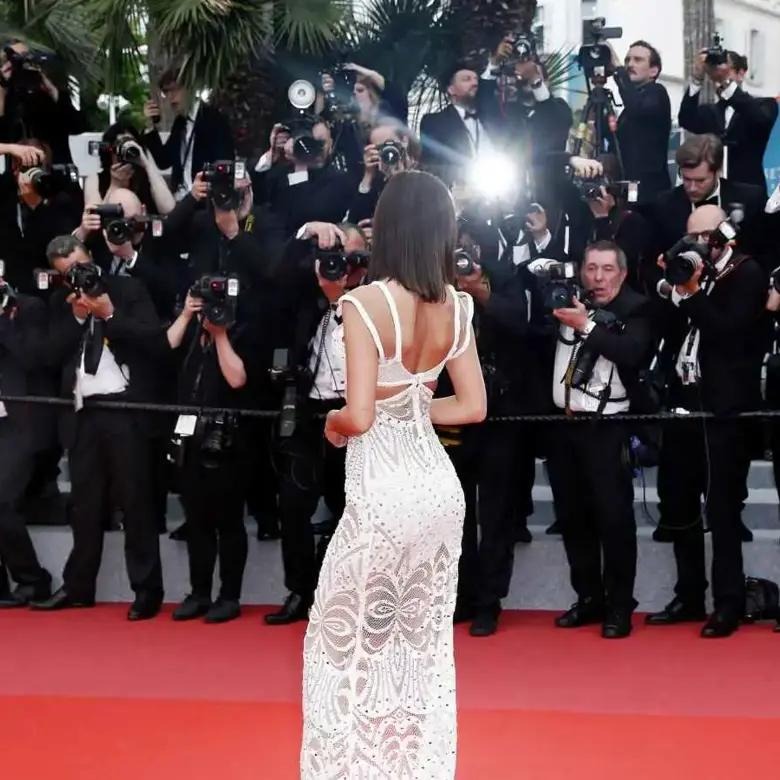
    Red carpet events have delivered their usual mix of glamour and gossip, with a few memorable moments stealing headlines. [Star G] stunned photographers with a daring, couture gown that left little to the imagination, sparking both praise and playful critiques on social media. Meanwhile, [Star H] turned heads with a heartfelt speech that subtly addressed recent controversies, winning over many with her authenticity and grace. Such moments remind us why red carpets remain a vital stage for celebrities to express personality and sometimes make powerful statements.

    Social media continues to fuel the gossip mill, with celebrities sharing glimpses of their lives and sparking rumors with every post. Recently, [Star I] sparked speculation about a possible new romance after liking and commenting on posts from an up-and-coming musician. Fans quickly pieced together clues from vacation photos and cryptic captions, turning every interaction into headline news. On the flip side, some stars have been using their platforms to address and shut down false rumors, highlighting the double-edged sword of fame in the digital age.

    Celebrity wellness trends have also become part of the gossip cycle, as fans track the latest beauty and fitness routines endorsed or revealed by their favorite stars. [Star J] recently shared her secret to glowing skin—a combination of a new skincare line and a meditation practice that helps reduce stress. Others have been spotted trying out unconventional workouts, from aerial yoga to cryotherapy, fueling both curiosity and friendly skepticism among followers.

    In the realm of family drama, a few high-profile disputes have surfaced, reminding fans that fame doesn’t shield anyone from personal challenges. Reports of tensions between [Star K] and her sibling have sparked a wave of speculation, though representatives emphasize that the family is working through their issues privately. Such stories humanize celebrities, revealing that behind the flashing cameras, real emotions and conflicts exist.

    Finally, upcoming projects and collaborations have fueled excitement about what’s next for many celebrities. Teasers hint at a blockbuster film featuring a reunion of fan-favorite co-stars, while rumors swirl about a joint album from two chart-topping artists who have kept their friendship under wraps until now. These collaborations promise to blend talent and star power in ways that fans are eagerly anticipating.

    In conclusion, celebrity gossip remains a fascinating window into the lives of those who captivate global audiences. Whether it’s love, friendship, fashion, or family drama, these stories remind us that beneath the glamour, celebrities experience the same emotions and complexities as everyone else—sometimes amplified by the spotlight. As the headlines continue to unfold, fans around the world stay tuned for every twist, turn, and tantalizing reveal.

  • Why Your Gifts Cost More Than My Car and Your CEO Is Kissing the Wrong Person

    Welcome to The Gossip Granny Gazette: A Season of Scrutiny

    Well, here we are, darlings. The air is crisp, the carols are grating, and the sheer volume of hypocrisy floating around in the December air is enough to make me ask for the manager of the entire planet. I’m Karen, and I’m afraid the holiday spirit has been hijacked by inflation, self-absorbed youth, and executive misconduct that is almost too ridiculous to be believed.

    This time of year is supposed to be about cheer and goodwill, but every time I scroll the headlines or venture into a department store, I am met with chaos. People are cutting back on gifts, yet traveling across state lines for a better “shopping experience.” Companies are preaching “integrity” while their CEOs are making out with the wrong people on camera. It’s a glittering, expensive mess that lacks one simple ingredient: common sense.

    So, grab your strongest coffee or your cheapest spiked eggnog. We’re dissecting the biggest offenses of the season, and trust me, there are plenty of receipts.


    Chapter I: The Financial Fiasco of the Festivities

    The Great Gift Contraction

    The surveys are out, and the news is clear: America is tightening its purse strings, and it’s about time! According to the PwC 2025 Holiday Outlook Survey, consumers expect their seasonal spending to decline by 5% overall, with gift spending seeing an even steeper 11% drop.

    This is the first notable dip since the pandemic, and the reason is not a sudden, collective burst of financial responsibility—it’s inflation. The rising cost of everything else is finally catching up to our discretionary budgets.

    But here is my issue: people are cutting back on gifts to preserve “cherished traditions” like travel and hosting. So, you’re telling me you’re saving money by giving your niece a $50 gift card instead of a thought-out present, only to spend $500 on a one-weekend trip to see a theme park? Priorities, darlings! You are preserving the spectacle of the holidays while sacrificing the substance.

    The True Cost of Living: Beyond the Stocking Stuffers

    The real scandal this season isn’t the price of a fancy new gadget; it’s the cost of the things you actually need. While people are busy complaining that a popular video game console went up by $20, the cost of essentials is soaring out of control.

    Reports from the Federal Reserve Bank of New York and McKinsey & Company paint a truly grim picture:

    • Medical Care: Expected medical care costs have increased, hitting the highest level since 2014, making access to essentials a major pain point.
    • Food and Rent: Expectations for the price of food are up to nearly 6%, and rent is soaring even higher.
    • Job Security: Concerns about job security are ticking up, especially among younger workers, according to McKinsey’s Consumer Sentiment Update.

    So, let’s be clear: the average American is cutting back on holiday spending because they are genuinely worried about paying the doctor, the grocer, and the landlord. But instead of the media focusing on this genuine crisis, we get endless articles about “omnichannel shopping experiences” and “influencer gifting guides.”

    We have become so obsessed with “retail therapy”—using purchases to preserve the feeling of “normalcy”—that we are ignoring the fact that what is normal is fundamentally broken. The priority is not a cute new scarf; it’s financial stability. But in this culture of perpetual performance, reality must wait until after Christmas.


    Chapter II: Gen Z and The Audacity of the Self-Gift

    The Narcissism of the New Generation

    Now, let’s talk about the youth, shall we? My dear Gen Z. They are a constant source of both confusion and outrage. They are the most financially strained, the most anxious about job security, yet they are the most optimistic age group and the most committed to treating themselves. It’s a paradox only they could invent.

    The data is telling a magnificent story of self-absorption:

    • While they are cutting back significantly on overall holiday spending (a massive 23% drop), a huge portion of their smaller budget is dedicated to self-gifting—nearly 40% of their spending on themselves!
    • They are “value-seeking” and price-sensitive, yet they are willing to travel over ten miles from home for an “experiential shopping journey” that combines online and in-store efforts, according to J.P. Morgan’s Holiday Shopping Trends.

    Sweetheart, if you are that worried about money, you don’t travel 11 miles for a “seamless omnichannel experience” just to buy a $15 t-shirt! You shop locally, you buy less, and you certainly don’t direct 40% of your limited funds into “self-care” products that promise to heal trauma via aromatherapy.

    This is the hypocrisy of the “vibe” generation: they preach sustainability and authenticity, yet they are the biggest drivers of the fast fashion cycle (which requires constant, cheap consumption), and they are sacrificing gifts for others to prioritize their own emotional gratification. It’s a generation demanding “value” while practicing extreme self-entitlement.

    Value isn’t a coupon code you find after an 11-mile drive; it’s the quality of the item and the integrity of the purchase. The only “experience” they need is a reality check.

    The Problem with “Meaningful Gifts”

    The retail analysts are noticing this trend and trying to spin it positively, claiming that consumers are now seeking “fewer, higher-quality gifts” and more “unique, meaningful gifts.”

    Oh, please. You know what a “fewer, higher-quality gift” often means? It means they found one expensive item for themselves and gave everyone else a $20 gift card to a store they don’t frequent.

    The idea that the whole world has suddenly become a deep, thoughtful shopper is nonsense. They are simply substituting financial discipline for a moral excuse. “I bought less because I was prioritizing quality!” No, darling. You bought less because you were prioritizing your own wants and inflation made you nervous.


    Chapter III: The Ethics of the Elite: From Kiss Cam to C-Suite

    The Scandalous Lack of Self-Control

    If the younger generation is fiscally irresponsible, the older, highly paid executive class is suffering from a far more embarrassing affliction: a complete lack of personal integrity.

    The biggest current event scandal that truly speaks to the collapse of corporate standards involves the constant stream of CEO and C-Suite resignations due to personal misconduct. The reports on executive scandals from firms like JD Supra show an alarming trend: executives are being removed not just for financial fraud, but for personal conduct inconsistent with company policy.

    My favorite, of course, remains the saga of the CEO who had to resign because he was caught kissing his Chief People Officer on a stadium Kiss Cam at a Coldplay concert.

    I swear, this man was a highly compensated executive leading a major tech company. His job involved complex legal, operational, and financial risks. And yet, he couldn’t control his impulses for three minutes under a Jumbotron!

    This is why I complain, darlings. It’s the ultimate failure of competence. If you lack the basic personal judgment to know that you should not kiss your subordinate (or anyone other than your spouse) when you are on a stadium camera, how can I trust you to manage millions in corporate funds and the careers of thousands of employees?

    The Cost of Corporate Chaos

    The chaos created by these scandals is palpable. When a CEO is removed for an ethics violation—whether it’s the Kiss Cam, undisclosed conflicts of interest, or simply “personal conduct”—the company is thrown into immediate turmoil. The stock jumps or dips, investigations launch, and investors question the board’s judgment.

    The point is this: Personal integrity is the foundation of professional competence.

    These executives are High Earners, and they are Rich (Yet), but they are failing the most basic moral test. They want to be viewed as visionaries, yet they are acting like teenagers in the back row of a movie theater.

    The corporate world is so busy putting up posters about DEI (Diversity, Equity, and Inclusion) and virtue-signaling in their holiday commercials that they forget to check the personal behavior of the people at the very top. You can spend millions on your brand image, but all it takes is one ill-advised, public smooch to prove the entire structure is built on a foundation of shifting sand.


    Conclusion: The New Year’s Resolution: Integrity

    As we close out this ridiculous year, the message is clear: the most important thing you can buy, earn, or possess is not a new luxury item or a trending digital experience. It is integrity.

    Whether you’re a consumer, a Gen Z “self-gifter,” or a CEO with a wandering eye, the world is demanding more than just a good “vibe”. It’s demanding truth, responsibility, and consequence for actions.

    • Stop prioritizing the spectacular over the essential (your health and savings).
    • Stop justifying self-indulgence as “self-care” (especially if it involves self-gifting).
    • Stop trusting the powerful until they prove they can manage their own lives with dignity (especially the ones caught on camera).

    So, for the new year, let us demand and practice a fierce commitment to common sense. We will watch, we will judge, and we will continue to point out the absurdity until standards are restored.

    Now, if you’ll excuse me, I need to go pour another glass. I just saw an influencer post a sponsored ad for a “detox tea,” and my blood pressure can’t take any more inauthenticity.

    — KAREN, THE GOSSIP GRANNY GAZETTE

  • The Audacity of Affluence: Why Our Elites Are Failing at the Holidays and Life

    Well, buckle up, buttercups. It’s early December, a time when the glitter is flying, the credit card bills are mounting, and the absolute absurdity of the ruling class is on full, magnificent display. I’ve had my fill of pumpkin spice and seasonal cheer. Now, it’s time for my main holiday tradition: judging the sheer, unadulterated nonsense of current events.

    I’m Karen, and I’ve got my eye on the three things that are currently ruining the end of 2025: the ridiculousness of global politics, the financial fecklessness of our elites, and the terrible, terrible taste of Hollywood.

    If you thought Thanksgiving was stressful, wait until you see the mess the rest of the world is making. Grab your eggnog—spiked, preferably—because we need to discuss why nobody, from the White House to the red carpet, can behave with a shred of dignity or common sense.


    Chapter I: The Political Performance Art of Washington

    The Return of the Epstein Files Fiasco

    I’ve said it before, and I will shout it from the rooftop of my perfectly organized, seasonally decorated home: Stop distracting us with the drama and release the documents!

    We are still in the throes of the Epstein files controversy, and the level of resistance and grandstanding coming out of Washington is a national embarrassment. As reported by sources like Inter Press Service in November 2025, the focus has shifted entirely to the political theater, specifically the White House’s resistance to releasing the full set of related documents.

    When the powerful go to this much trouble to keep secrets, you know the secrets must be truly awful. It proves a fundamental lack of respect for the public. They treat us like simpletons who will be satisfied with a televised squabble while the most crucial information is locked away.

    This is the political version of a magician’s trick: look over here at the President’s latest social media feud (like the one with Jimmy Kimmel), while the very foundation of justice is being eroded over there. They want us to focus on the performance, the “vibe” of accountability, rather than the fact of justice.

    My advice? Ignore the headlines about who’s yelling at whom. Demand transparency. Demand the documents. Because without truth, all you have is a very expensive, deeply corrupt reality show.

    The Never-Ending Political Crisis Cycle

    It’s exhausting, isn’t it? Every time we turn around, there is a new “unprecedented” political crisis. The latest reports, stemming from the fallout of the government shutdown and the ongoing political fragmentation, show a world of escalating uncertainty. Whether it’s geopolitical friction or the complete breakdown of domestic cooperation, the result is the same: chaos.

    As the Gallup trends for 2025 have noted, Americans’ concerns are consistently dominated by poor government leadership, immigration, and the economy. We are fundamentally unhappy with the people who are supposedly leading us.

    And why wouldn’t we be? When I see political leaders using their platforms to push cultural agendas or monetize their own missteps (the “redemption arc” phenomenon), I see people who have completely forgotten their purpose. Their job is to manage the infrastructure, negotiate treaties, and keep the lights on—not to be an influencer for their personal brand. They are high-earning professionals who are failing to deliver on their basic trade, yet they remain highly paid and in power. It’s an intolerable situation that only we, the consumers of their terrible governance, can change by demanding simple competence.


    Chapter II: The Great Wealth Illusion and The “HENRY” Humiliation

    The Financial Anxiety Epidemic

    Now, let’s turn to the second great national failing: money management. Specifically, the people who have it but are utterly miserable about it. I’m speaking once again about the HENRYs—the High Earners, Not Rich Yet.

    You’d think making over $200,000 would solve your problems, but apparently, it just creates more elaborate ones. According to cultural trend studies from late 2025, even those in this high-income bracket are worrying about falling short in retirement.

    This is not a financial crisis, darlings; it’s a lifestyle crisis.

    They are financially strained because they prioritize appearances over security. They must live in the “it” neighborhoods, drive the right car, and have their children in the “correct” pre-school, even if it means sacrificing their long-term stability. They are buying the idea of wealth, not the fact of it.

    This is the ultimate humiliation for a high earner: realizing that all that money is just chasing a perpetually receding horizon of consumer envy. They’ve replaced financial discipline with material gratification, and now they are just as stressed as the rest of us, only they have more expensive scarves.

    The Price of a Broken Planet

    This financial vanity has a direct, devastating impact on the planet—something we should all be furious about, especially as we head into a new year full of promises.

    The global conversation is focused on massive problems like climate change and the environmental consequences of fast fashion. As Earth.Org noted, the fashion industry is a top global emitter. This is driven by our need to constantly buy and discard.

    But let’s look at the simple, stupid waste: food. The fact that over 50% of produce in the U.S. is thrown away because it’s “too ugly” is an abomination.

    When I was growing up, you ate what you bought. You used everything. If your tomato was a little misshapen, you cut the bad spot out and made a sauce. Now, we’ve created a culture so pampered and spoiled that we discard perfectly good food because it doesn’t photograph well for a social media post. This is the Audacity of Affluence: the belief that because you can afford to waste, you should.

    This level of waste is a moral failure and an ecological disaster. If you want to solve the planet’s problems, start by buying the “ugly” carrots and learning how to make stock from a chicken carcass. It’s common sense, and it’s free.


    Chapter III: The Celebrity Sickness: Where Taste Goes to Die

    The Red Carpet as a Cry for Help

    The holidays bring a fresh wave of red carpet events, and I’m forced to endure another season of seeing celebrities who dress like they lost a bet.

    I simply refuse to call a dress that looks like a neon trash bag “bold” or “pushing boundaries.” It’s a desperate cry for attention. As I’ve said, the red carpet is now a battlefield where fabric goes to die, and sophistication has gone missing.

    My standard is simple: If your outfit requires an instruction manual, a team of four to put on, or looks like it was created from the remnants of a fever dream, you have failed. The goal of glamour is to make the difficult look effortless. Today’s celebrities make the effortless look exhausting. They are victims of a system that rewards the ridiculous over the refined.

    The Anti-Social Socialites: The Digital Detox Delusion

    Finally, let’s talk about the cultural trend of the moment: the digital detox.

    Celebrities and socialites are suddenly posting about how they are “taking a step back,” “finding balance,” and “touching grass.” This is often immediately followed by a sponsored post for a $400 supplement designed to “nourish your energy.”

    Darlings, you don’t need a detox; you need a hobby and some common sense.

    According to those late 2025 cultural reports, even Gen Z says they want to escape their phones and live in the “real world.” Yet, a huge percentage of them still look up to influencers who monetize their every breath.

    The greatest irony is that the people who preach a digital detox are the ones who created the digital addiction. They flooded the market with vapid, perfect content, making everyone feel inadequate. Now that they have made their millions, they want to pretend they’re above it all.

    This isn’t a genuine shift; it’s the next stage of the brand journey. They will disappear, “re-center” in Bali, and come back with a new, “authentic” content strategy, complete with a podcast and a line of essential oils.

    The real “detox” is turning off the phone and doing something useful, like cooking a meal from scratch, cleaning your own house, or yelling at the TV. It’s free, it’s effective, and it’s highly therapeutic.


    Conclusion: Reclaiming Common Sense for the New Year

    The chaos we see in current events—from the political cover-ups to the financial irresponsibility and the cultural idiocy—is a reflection of a world that has lost its grip on reality. Our elites are failing at their jobs, living beyond their means, and replacing substance with spectacle.

    This December, I urge you to adopt a “Karen’s Resolution”:

    1. Demand transparency, especially when it involves documents that reveal the sins of the powerful.
    2. Practice radical common sense with your money. Don’t be a HENRY.
    3. Refuse the culture of waste. Buy the ugly produce. Repair, don’t replace.
    4. Embrace genuine quality over “vibe.”

    We can’t fix the White House or the red carpet, but we can fix our own behavior. We can demand better standards, starting with ourselves.

    Now, if you’ll excuse me, I need to go wrap a few gifts. And yes, they are perfectly wrapped. Because standards matter.

    — KAREN, THE GOSSIP GRANNY GAZETTE

  • The Turmoil of the Tiny House: Why Everything Is Broken and Nobody Knows How to Fix It

    The Turmoil of the Tiny House: Why Everything Is Broken and Nobody Knows How to Fix It

    Welcome to The Gossip Granny Gazette: Your Dose of Judgmental Reality

    Well, hello, my precious, scandal-hungry darlings! Did you manage to get through the month without demanding to speak to a manager about the rising price of artisanal oat milk? Good for you. I, however, am barely hanging on. I swear, the only thing more exhausting than planning Thanksgiving seating charts is watching the news.

    November and early December are supposed to be a time for reflection, gratitude, and holiday planning. Instead, we are besieged by political incompetence, cultural cowardice, and a general collapse of competence that leaves me wondering if anyone under the age of 45 remembers how to operate a washing machine, let alone a government.

    I’m Karen, and I’m here to tell you what’s actually wrong with the world today. It’s not the economy; it’s the standards. It’s the lack of common sense, the refusal to do the necessary, unglamorous work, and the pervasive insistence that “vibes” can replace infrastructure.

    Grab your coffee. This is going to be a long rant.


    Chapter I: Political Paralysis: When Adults Refuse to Adult

    The Government Shutdown Grandstanding

    I have seen more effective negotiations at a flea market over a dusty ceramic cat than I’ve seen coming out of Washington this past year. Remember the great drama of the longest U.S. government shutdown? Yes, darling, the one that put thousands of perfectly good people out of work because a few highly paid adults in suits couldn’t agree on the basic functions of their expensive jobs.

    This is the equivalent of your HOA president arguing so vehemently about the acceptable shade of beige for the community center that they forget to pay the electric bill. It is gross incompetence wrapped in a silk tie. The sheer, theatrical spectacle of it all—the performative outrage, the finger-pointing, the endless cable news hits—is insulting to everyone who actually has to show up to a job every day, regardless of whether or not their colleagues are behaving like toddlers.

    The Great Cover-Up of the Epstein Files

    And speaking of theater, let’s talk about the latest installment of the greatest scandal to never fully break: the Epstein Files.

    The U.S. government shutdown may have ended, but now the political attention has pivoted to the “contentious and highly political issue of releasing the files related to Jeffrey Epstein,” according to Inter Press Service in November 2025.

    Sweetheart, when the White House itself resists releasing documents—the very same documents that might expose the vile activities of the global elite—you can practically smell the cover-up baking. It brings to mind that old Shakespeare line (yes, I read Shakespeare, try to keep up) that the U.S. President “doth protest too much, methinks.”

    The public narrative immediately turns into a ridiculous, shiny distraction, like a dog chasing a laser pointer. We had the President of the United States demanding on his social media account that Jimmy Kimmel be fired for daring to joke about it. This is the issue: we are being fed a feud between a politician and a comedian, a battle of personalities, while the question of who is implicated in a massive, systemic crime is quietly buried under official resistance.

    It’s an insult to our common sense! The job of government is to govern, not to engage in reality show feuds. The job of the justice system is to seek truth, not to protect the powerful. When the highest levels of government behave with less transparency and accountability than my neighborhood watch, we have a crisis not of policy, but of basic adult integrity.


    Chapter II: The Collapse of Competence and the Curse of the “Vibe”

    The Vanishing Plumber: When No One Wants to Work

    I swear, you can’t get anyone to fix anything these days. My dryer broke last week, and I called three different repair services. They all told me they were booked out for five weeks, or, better yet, they wanted $300 just to drive across town and look at it.

    The reason? Everyone wants a “cushy” job, and nobody wants to get their hands dirty. This is the core of the Skilled Trades Shortage, and it’s reaching a crisis point.

    According to a study reported by Quirks Media in late 2025, the U.S. is facing a severe shortage of skilled tradespeople—carpenters, welders, plumbers, electricians.

    • Nearly four-in-ten Gen Z individuals are “bullish” on a trade career.
    • But only 22% of Gen Z actually recommend vocational/trade school paths to high school grads.

    Do you see the disconnect, darling? They think it’s a good idea for someone else! They praise the idea of the trades, but they don’t want the reality of the work. Why? Because these jobs are “overlooked in schools” and perceived as “less prestigious” than those requiring a four-year degree.

    Prestige? Sweetheart, the plumber who charges $150 an hour to unclog your artisan sink is the one with the real power. The one with a pile of cash, low debt, and a job that AI will not be able to do for at least fifty years. Meanwhile, thousands of graduates with “communication degrees” are posting on LinkedIn about their “personal branding journey,” while living with their parents.

    The focus on “vibe” and “aesthetic” over actual skill is what’s going to doom us. We are obsessed with the glamorous side of work—the influencer, the thought leader, the “visionary”—and we’ve collectively decided that the people who build, fix, and maintain our lives are somehow less worthy. Well, enjoy your broken air conditioning and your flooded basement, because the true aristocracy of the 21st century is the one that can fix things.

    The HENRYs: High Earners, No Sense

    This refusal to be sensible trickles right up to the financial elite. We talked about Kevin Spacey’s elaborate poverty performance in the last edition, but now we must address the HENRYsHigh Earners, Not Rich Yet.

    These are the people making over $200,000, but still worrying about their retirement. Why?

    They are victims of their own self-inflicted inflation! They have to keep up the appearance of their high earner status:

    • They live in the most expensive cities.
    • They pay $30 a day for cold-pressed, organic, low-sugar juice cleanses.
    • They must attend the “right” destination weddings.
    • They have multiple streaming services and subscription boxes.

    They are drowning in lifestyle debt, and they blame the economy. The simple, harsh truth is: you’re not broke, you’re entitled. You expect to live a millionaire’s life on a highly paid professional’s salary. I, for one, have zero sympathy for someone who can afford a luxury car payment but doesn’t know how to change their own oil.


    Chapter III: The Climate Circus and the Fashion Crime

    The COP30 Hypocrisy Parade

    Every November, the global elite gathers for the grand environmental summit, like the recent COP30 in Brazil. It’s a marvelous spectacle of high-minded ideals and low-flying private jets.

    The news is full of critical, life-altering warnings. We have experts discussing the desperate need for climate finance in regions like Africa, and the alarming increase in food and water insecurity globally, as documented by Earth.Org. These are real, serious issues.

    But the sheer, glittering hypocrisy of the summit attendees is blinding. We see famous faces—actors, pop stars, and various “visionaries”—flying thousands of miles, burning more fuel in one trip than my entire neighborhood does in a year, just to lecture the rest of us on giving up meat and plastic straws.

    They talk about food waste being one of the biggest environmental issues of 2025, and they are absolutely right. More than 50% of all produce is thrown away in the U.S. just because it’s “too ugly” to sell to consumers. Too ugly! Meanwhile, these same elites order complex, bespoke, ultra-organic meals on their private jets, ensuring that any leftovers are probably discarded before the plane even lands. The problem isn’t the produce; it’s the standards of consumption.

    The Fast Fashion Felony

    The environmental conversation is meaningless if we don’t address the greatest cultural crime of the last decade: Fast Fashion.

    It’s not enough that the celebrity fashion at the Met Gala looks like a fever dream wrapped in tinsel; the real damage is done by the cheap, disposable clothes worn by the masses. The fashion industry accounts for a scandalous 10% of global carbon emissions, and it creates enormous piles of textile waste.

    The cycle is vicious:

    1. Influencer wears garment once for a ten-second video.
    2. Teenage girl buys the $12 garment because it’s “trending” and needs the “vibe.”
    3. The garment falls apart after one wash (because it’s made of garbage plastic fabric).
    4. It goes to a landfill, where it will sit for 500 years, next to the “ugly” carrots.

    This is a culture that has replaced quality with quantity, respect for craftsmanship with a hunger for instant visual gratification. It is a fundamental lack of self-respect! When I buy something, I expect it to last for a decade, or at least survive a trip through my washing machine. If the global elite really cared about the planet, they would start by shaming fast-fashion CEOs, not by lecturing us about our home-composting habits while wearing a $50,000 borrowed gown.


    Conclusion: A Demand for Standards

    I’m tired, darlings. I’m tired of the noise, the narcissism, and the general lack of competence across every level of society.

    We are living through a cultural moment defined by people who want the status of being a High-Powered Problem Solver without possessing the skills (plumbers, electricians), the standards (fashion, food), or the integrity (politicians, media) required for the job.

    But here is my rallying cry: The way out of the current mess is to raise your standards and lower your expectations of others.

    • Demand quality over cheap spectacle (especially in fashion and food).
    • Respect competence over “prestige” (especially in careers).
    • Ignore the political feuds and focus on the real documents (like the Epstein files).
    • Use your common sense (especially when a celebrity tells you they’re just like you).

    We, the people who still possess a functioning internal compass, must be the ones to maintain order. We must embrace our inner judgmental side and demand better. Because if we don’t, we will be left with no one who knows how to fix the plumbing, a government that only cares about drama, and a wardrobe full of polyester regrets.

    Now, if you’ll excuse me, I have to go call my plumber. He’s booked for a month, but at least I know he’s a professional.

    — KAREN, THE GOSSIP GRANNY GAZETTE

  • The November Nonsense: When Celebrities Go Broke and Common Sense Gets Canceled

    The November Nonsense: When Celebrities Go Broke and Common Sense Gets Canceled

    Welcome to The Gossip Granny Gazette: A Karen’s Take on Today’s Train Wreck

    Well, hello there, darlings! Grab your mug—mine is filled with a quadruple-shot, extra-hot latte that I did not have to wait in line for, thank you very much—and settle in. November is usually a time for gratitude, thick sweaters, and the subtle, satisfying terror of planning a menu for relatives you secretly despise. But this year? This year, November 2025 has simply gone off the rails.

    I swear, every time I scroll past the latest headlines, I have to check my blood pressure. It’s a glittering, confusing mess of political reality shows, AI taking over the world, and celebrities who are somehow both utterly destitute and flying private jets to climate conferences. Honestly, the collective lack of common sense on display is almost breathtaking. It’s like the entire world decided to participate in a competition for “Most Ridiculous Human Being,” and we are all losing.

    Here at the Gossip Granny Gazette, we don’t just consume the chaos; we dissect it, we judge it, and we lovingly roast it until it’s perfectly crisp. Because someone needs to maintain standards, and if it’s not the journalists, the politicians, or the influencers, then I, your suburban queen of receipts and Mother Teresa of Mild Annoyances, will step up.

    Today, we are diving deep into the hypocrisy of Hollywood’s downfall, the insanity of political theater, and the technology that is single-handedly ruining the simple pleasures of being human.


    Chapter I: The High Cost of Celebrity Failure

    From Mega-Mansion to Airbnb: The Spacey Saga

    Now, I’m not one to revel in another person’s misfortune, but when a multi-millionaire actor claims he’s “literally homeless” while hopping between Airbnbs and hotels, you have to appreciate the irony. I’m talking, of course, about the astonishing financial spiral of two-time Oscar winner, Kevin Spacey.

    The headlines are full of shock and sympathy: Kevin Spacey admits he’s homeless after sexual assault scandal that saw him canceled, with his Baltimore home auctioned off to cover astronomical legal costs. Darlings, this man had an estimated net worth that, at one point, was touching $100 million. We’re talking about a man who reportedly commanded $20 million per season for his Netflix series. To hear him speak of living out of a suitcase is a stark, almost theatrical fall from grace.

    But here is my cynical, coffee-fueled take: this is not about tragedy; it’s about the sheer magnitude of celebrity over-leverage.

    When I look at this story, I don’t see a homeless man; I see a man who lost his entire $70 million empire virtually overnight because he lived at a scale that left him no safety net for a crisis. It’s a perfect, painful metaphor for the absurdity of Hollywood wealth. Normal people don’t lose $70 million; we lose our emergency savings when the water heater breaks. The idea of a $31 million arbitration payout for breach of contract, as detailed by Finance Monthly’s exploration of his net worth, is a number that simply does not exist in the reality of the people who watch his movies.

    The narrative they try to sell us is a “redemption arc.” The former star, humbled by the hard streets (of a London AirBnb), chasing sporadic jobs overseas to keep going. Sweetheart, if you’re living in hotels and still traveling internationally to perform a “variety show” in Cyprus, you’re not “homeless,” you’re fiscally irresponsible on a global scale. You’re a high-end nomad.

    This is the ultimate celebrity trick: turning catastrophe into content. They want us to believe they are “just like us,” struggling to pay the bills, but their baseline is fundamentally different. This saga is less a plea for sympathy and more a high-stakes lesson in how the rich can fail harder than the rest of us can even dream of succeeding.

    The HENRY Headache: Why Everyone’s Broke

    Speaking of financial anxiety, this brings me to a much more relatable current event: the rise of the HENRYs. No, not Harry, Henry, or Henrietta, but the “High Earners, Not Rich Yet.”

    According to the latest trends reports, even people making over $200,000 a year are now worrying intensely about their retirement. They have great salaries, but thanks to inflation, housing costs, student loan debt, and the general economic instability, they feel like they’re constantly playing catch-up.

    This is the real current event that matters to my readers! The wealthy movie star loses his mansion due to scandal; the average, working person loses sleep because their grocery bill went up by 30% and they can’t afford childcare and a 401k contribution. The celebrity drama provides the glittery distraction, but the HENRY reality is the quiet, sinking feeling we all share.


    Chapter II: Hollywood’s House of Cards: Politics and Propaganda

    The Late-Night Llama Drama

    If I wanted to watch a high-stakes, confusing drama full of thinly veiled insults and people who should know better, I’d watch a Housewives reunion special. Instead, I’m watching the news, where political figures are behaving exactly like reality stars—and the media is eating it up.

    The latest nonsense? The President calling for the firing of late-night host Jimmy Kimmel, all because Kimmel dared to make jokes about the contentious topic of the release of the Epstein files.

    This is a scandal that has everything: high-level corruption, secrets, and the powerful resisting transparency. Yet, what dominates the narrative, as detailed by Just Jared, is the ridiculous, schoolyard feud: Trump calls for Kimmel to be fired.

    Darling, can we stop distracting ourselves with the shiny objects? The important piece of news is that the White House is resisting the release of those Epstein-related documents—a matter that is far more concerning to the integrity of our society than whether a comedian keeps his time slot.

    When politicians act like they’re hosting a Twitter-fueled talk show and the media treats serious legal and moral issues like punchlines, we have truly entered the twilight zone of public discourse. We’re losing our ability to differentiate between governance and gag orders. It’s an insult to our intelligence! Focus on the documents, not the digital shouting match!

    The Apology Olympics and the Redemption Arc Rerun

    On a related note, let’s revisit the Celebrity Apology Epidemic. It seems every few weeks, another famous face is dragged out, teary-eyed, to read a statement written by a team of lawyers and therapists, all while selling a new “wellness” product.

    They tell us they’ve been “doing the work.” They talk about their “healing journey.” They preach self-reflection from their million-dollar compounds.

    I’m sorry, but an apology is not an event. It’s a change in behavior. If your “reflection” requires a seven-figure documentary deal and a massive social media campaign, it’s not reflection; it’s a re-branding. It’s the monetization of mistakes. And the public eats it up because they crave the redemption story more than they crave the truth. They love a celebrity they can forgive, because it makes them feel morally superior for 72 hours.


    Chapter III: The AI Apocalypse and the Death of Dignity

    Ruining Retail and Reality

    Now, let’s turn our attention from the people to the technology that is actively dismantling the foundations of civilized society: Artificial Intelligence.

    The news is full of serious talk about AI’s role in global fraud schemes, its push into healthcare, and its ability to completely transform the labor force. But I’m going to focus on the impact it’s having on the things that actually matter: human interaction and basic competence.

    AI is being touted as a solution for the ongoing labor shortage—something I, as a former customer service enthusiast, take personal offense to. Why can’t we find skilled workers? Because the market has decided that low-level jobs should be replaced by emotionless robots that cannot process a coupon, or by self-checkout systems that expect me to do the labor for them.

    Every time I’m at the grocery store, I encounter the same nightmare: the dreaded self-checkout machine. It’s constantly yelling at me—“UNEXPECTED ITEM IN BAGGING AREA!”—when all I did was place my perfectly organic kale in the designated spot. It’s not a convenience; it’s a digital employee with an attitude problem. And now, they’re integrating AI into these systems, which means soon, it won’t just yell at you; it will probably analyze your purchase history and judge your poor life choices.

    The Gen Z Dilemma: No Trades, All Vibes

    This technological shift dovetails perfectly with what’s happening to the younger generation. According to reports on social and cultural trends, while Gen Z claims to want to escape their phones and live in the “real world,” they are still largely overlooking skilled trade careers.

    Everyone wants to be an “entrepreneur,” an “influencer,” or a “visionary,” but who is going to fix the air conditioning unit when it inevitably breaks? Who is going to wire the smart home that your favorite lifestyle guru is trying to sell you?

    Ninety-one percent of Americans agree that trade jobs are just as important as white-collar jobs, but only a fraction of young people recommend that path. They view it as less prestigious. Darling, there is nothing less prestigious than having a four-year degree in something useless and having to call a plumber who makes twice your salary to fix your leaky faucet.

    The proliferation of AI is driving parents to prioritize teaching their children creative thinking and social skills to succeed in this new world. I agree, but I’d also like to add: teach them how to change a tire, balance a checkbook, and for heaven’s sake, look a service worker in the eye and say “thank you.” That’s the real skill set of the future: common sense and competence.


    Chapter IV: The Hypocrisy of Hummers and Hemp

    Greenwashing, Glamour, and Global Warming

    Finally, let’s talk about the weather—or, as the headlines call it, the global catastrophe. November is the month of COP30 talks in Belém, Brazil, where world leaders and celebrities gather to discuss how the rest of us should lower our carbon footprints.

    Now, I fully believe in being a good steward of the planet. I recycle my Amazon boxes until they fall apart, and I yell at my neighbor when they put their plastic in the paper bin. But the hypocrisy radiating from these global environmental meetings is enough to melt the polar ice caps all by itself.

    The news is full of serious issues: the urgency of climate finance in Africa, the threat of biodiversity loss, and the sheer, mind-boggling scale of food waste. Did you know that in the U.S., over 50% of produce is thrown away because it’s deemed “too ugly” to be sold? Too ugly! My dear readers, that is a societal crime! I could make a thousand casseroles with “ugly” produce!

    Yet, what’s happening in Belém? You have celebrities and billionaires arriving via private jets, talking about how we need to give up our plastic straws and eat “beige foods” while they preach about sustainable living.

    The Fast Fashion Fiasco

    This hypocrisy is rampant in the worst current cultural crime: Fast Fashion. The fashion industry accounts for a terrifying 10% of global carbon emissions, making it one of the biggest environmental problems of 2025.

    I have ranted about fashion before. I detest the current trend of dresses that look like recycled shower curtains. But the real crime is the endless cycle of cheap, disposable clothing. These fast fashion behemoths churn out new looks daily, driven by influencers who get paid a fortune to wear an outfit once for a photo and then discard it.

    This is the opposite of common sense! Back in my day, we bought clothes that lasted! We had tailor shops, not trend cycles! This culture of instant, cheap gratification—whether it’s clothes, food, or celebrity apologies—is what is fundamentally breaking the world. We have lost respect for quality, durability, and the sheer effort of creation.

    The “wellness” gurus preach that we need to cleanse our bodies, but darling, we need to cleanse our shopping habits! Stop buying that polyester crop top that will fall apart after one wash, and for the love of all that is stylish, find a reputable tailor! If you can afford a $5 latte every day, you can afford a pair of quality, ethical pants that won’t end up decomposing in a landfill next to the “ugly” carrots.


    Conclusion: A Toast to Common Sense

    So, there you have it, my darlings: a full, unvarnished look at the November 2025 circus.

    We live in a world where former A-list actors are performing an elaborate, international pantomime of poverty, where political leaders are bickering on social media while ignoring crucial global files, and where common sense has been replaced by algorithms and a desperate search for “vibes.”

    But here is the beautiful truth: you, my reader, are the resistance. You are the one who knows the difference between real life and a PR spin. You are the one who sees the hypocrisy in the private jets and the cheap clothes. You are the one who understands the value of a quality product, a good piece of gossip, and an honest complaint.

    I may be a Karen, but I am a Certified Karen, and my certification comes from a lifetime of maintaining standards, demanding quality, and refusing to let the absurdities of the modern world go unchallenged.

    So, raise your mug with me—whether it’s filled with coffee, chaos, or glacially sourced water (if you insist). We will continue to watch, we will continue to judge, and we will continue to demand better. Because if we stop complaining, who will remind the world that some things are simply not acceptable?

    Now, if you’ll excuse me, I have to go yell at the TV. Someone just called a fast-fashion influencer an “eco-warrior,” and my nerves simply cannot handle it.

    — KAREN, THE GOSSIP GRANNY GAZETTE