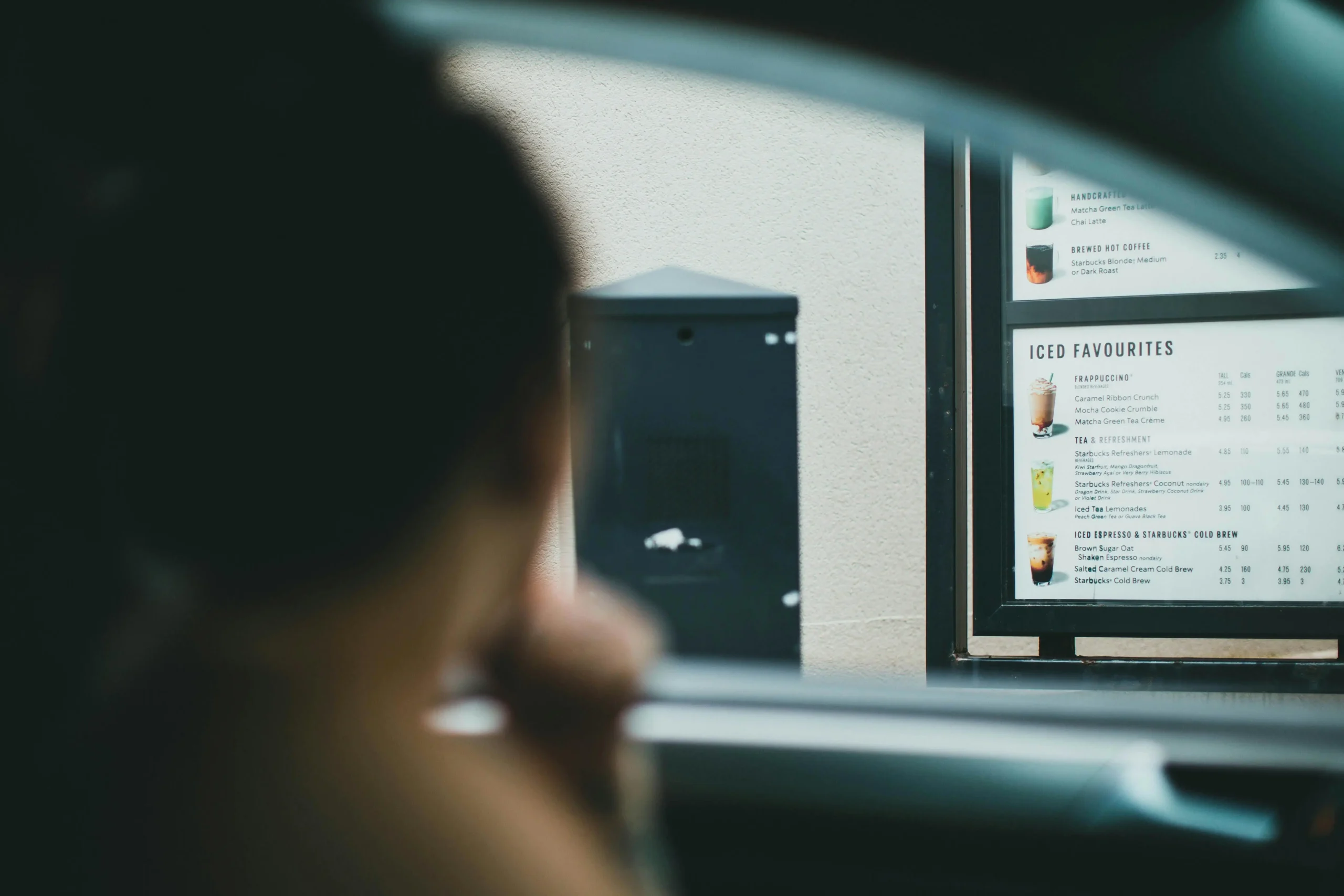
Restaurants are meant to be places where people enjoy good food, relax, and share moments with friends or family. However, not every dining experience goes as smoothly as planned. Sometimes, misunderstandings between customers and staff turn an ordinary meal into a comedy of errors. From misread menus to completely unexpected interpretations of simple instructions, real restaurant encounters often reveal how easily communication can go wrong.
These real-life situations, commonly shared in service industry stories, show that even the most professional restaurant staff regularly face confusing, funny, and sometimes unbelievable customer behavior. This article explores some of the most entertaining types of restaurant misunderstandings that have actually happened in real dining settings.
Misreading the Menu: When Words Become Confusing
One of the most common sources of restaurant confusion comes from menu descriptions. Menus are designed to be informative, but sometimes customers interpret them in ways that make no logical sense.
For example, a dish labeled “house special chicken” might be misunderstood as a secret recipe only available to VIP customers. Some guests even believe “chef’s special” means they can customize the dish however they want, leading to unexpected requests like removing all main ingredients and replacing them with something completely unrelated.
In real restaurant stories, servers have reported customers asking if “grilled vegetables” means the vegetables are literally cooked on a grill shaped like vegetables. While these misunderstandings are humorous, they highlight how important clear communication is in food service.
The “Free Water” Misunderstanding That Went Too Far
One of the most famous types of restaurant confusion involves complimentary items. Water is often served for free in many establishments, but some customers take this concept to an entirely different level.
There have been real cases where customers enter a restaurant, request only free water, and then treat the space like a full dining experience. They stay for hours, ask for multiple refills, and sometimes even use condiments or side items meant for paying customers.
In some situations, these customers begin to behave as if they are regular diners, asking for extra napkins, sauces, or even packaging materials. The staff, while remaining polite, often find themselves in a strange position of hosting someone who technically hasn’t ordered anything but is fully participating in the dining environment.
This type of misunderstanding shows how different people interpret the concept of “free” in very different ways.
When Customers Become Accidental Food Critics
Another amusing restaurant scenario involves customers who suddenly act like professional food critics without any intention of doing so.
In several real-life accounts, a customer takes a bite of their meal, pauses dramatically, and begins nodding as if evaluating a fine dining experience. They may take out their phone and appear to be writing detailed notes. Staff often become nervous, assuming something is wrong with the food or service.
However, it later turns out that the customer is not reviewing the food at all. Instead, they are simply texting, writing personal reminders, or doing something completely unrelated such as shopping lists or casual messages.
The dramatic behavior unintentionally mimics professional food reviewing, creating unnecessary tension for the staff before the misunderstanding is cleared up.
The Case of Eating First, Complaining Later
A very common and humorous misunderstanding in restaurants happens when customers eat most or all of their meal before raising a complaint.
In many documented cases, a customer will finish nearly the entire dish and then call the waiter over to say something like, “I think this is not what I ordered.” When the staff checks the order, it often turns out that the dish was exactly what the customer requested.
What makes this situation funny is the timing. Instead of noticing immediately, the customer only realizes—or claims to realize—after finishing the meal. Once the confusion is cleared up, many customers admit that the food was actually good, which adds an ironic twist to the situation.
This type of misunderstanding often leads to laughter among staff, even if they have to carefully handle the complaint professionally.
The “Menu Translator” Friend in Every Group
Group dining often leads to another classic misunderstanding: the unofficial menu translator.
In many real restaurant experiences, one person at the table confidently explains menu items to others, even when they are not fully familiar with the language or ingredients. This person often becomes the decision-maker, guiding the group’s entire order based on their interpretation.
Sometimes, their explanations are completely incorrect but delivered with absolute confidence. A dish described as “fried eggs with rice” might be presented to the group as a “traditional chef-selected premium breakfast experience.”
Because of this confident interpretation, the entire table may order the dish without questioning it. When the food arrives, the group realizes the simplicity of the meal, but by then, the trust in the “translator” has already shaped the entire dining decision.
This type of misunderstanding shows how social dynamics can influence restaurant experiences just as much as the menu itself.
Mistaken Identity at the Wrong Table
One of the most surprising restaurant misunderstandings involves customers sitting at the wrong table entirely.
In real situations, a customer may walk into a restaurant, assume a table is reserved for their group, and sit down without confirmation. They may even start eating food already on the table, thinking it was prepared for them.
In some cases, the customer casually interacts with the real guests who arrive later, acting as if they are part of the same group. The confusion continues until someone realizes that the seating arrangement is completely wrong.
These situations are both awkward and humorous, often resulting in laughter once the misunderstanding is resolved. They highlight how easily assumptions can lead to chaos in busy dining environments.
Overly Enthusiastic Food Photography Delays the Meal
In today’s social media-driven world, another common restaurant misunderstanding involves food photography.
Some customers treat their meal as a professional photo shoot. Every dish is carefully arranged, rotated, and photographed from multiple angles before anyone is allowed to eat. Drinks must be perfectly positioned, lighting must be adjusted, and sometimes even other diners are asked to pause so the “perfect shot” can be captured.
While this behavior is not harmful, it often leads to food being eaten much later than intended. Hot dishes become cold, and staff may have to remake items that lose quality due to extended photo sessions.
The misunderstanding here is not about the food itself, but about prioritizing presentation over the actual dining experience.
Why These Misunderstandings Happen
Restaurant misunderstandings are not usually caused by carelessness or bad intentions. Instead, they often result from differences in communication, expectations, and personal habits.
Some customers interpret menus too literally, while others rely heavily on assumptions. Cultural differences, language barriers, and varying levels of dining experience also contribute to confusion. In fast-paced environments, even simple instructions can be misunderstood.
For restaurant staff, handling these situations requires patience, professionalism, and sometimes a sense of humor. For customers, it serves as a reminder that asking questions and clarifying orders can prevent unnecessary confusion.
Conclusion
Real restaurant encounters show that dining out is not always just about food—it is also about human interaction. Misunderstandings, while sometimes frustrating, often become the most memorable part of the experience.
From customers who misinterpret menus to those who unknowingly create chaos at the wrong table, these stories highlight the unpredictable nature of everyday dining. They also remind us that humor can be found in even the most ordinary situations.
In the end, restaurant misunderstandings are not just mistakes—they are stories that people remember, share, and laugh about long after the meal is over.
Leave a Reply