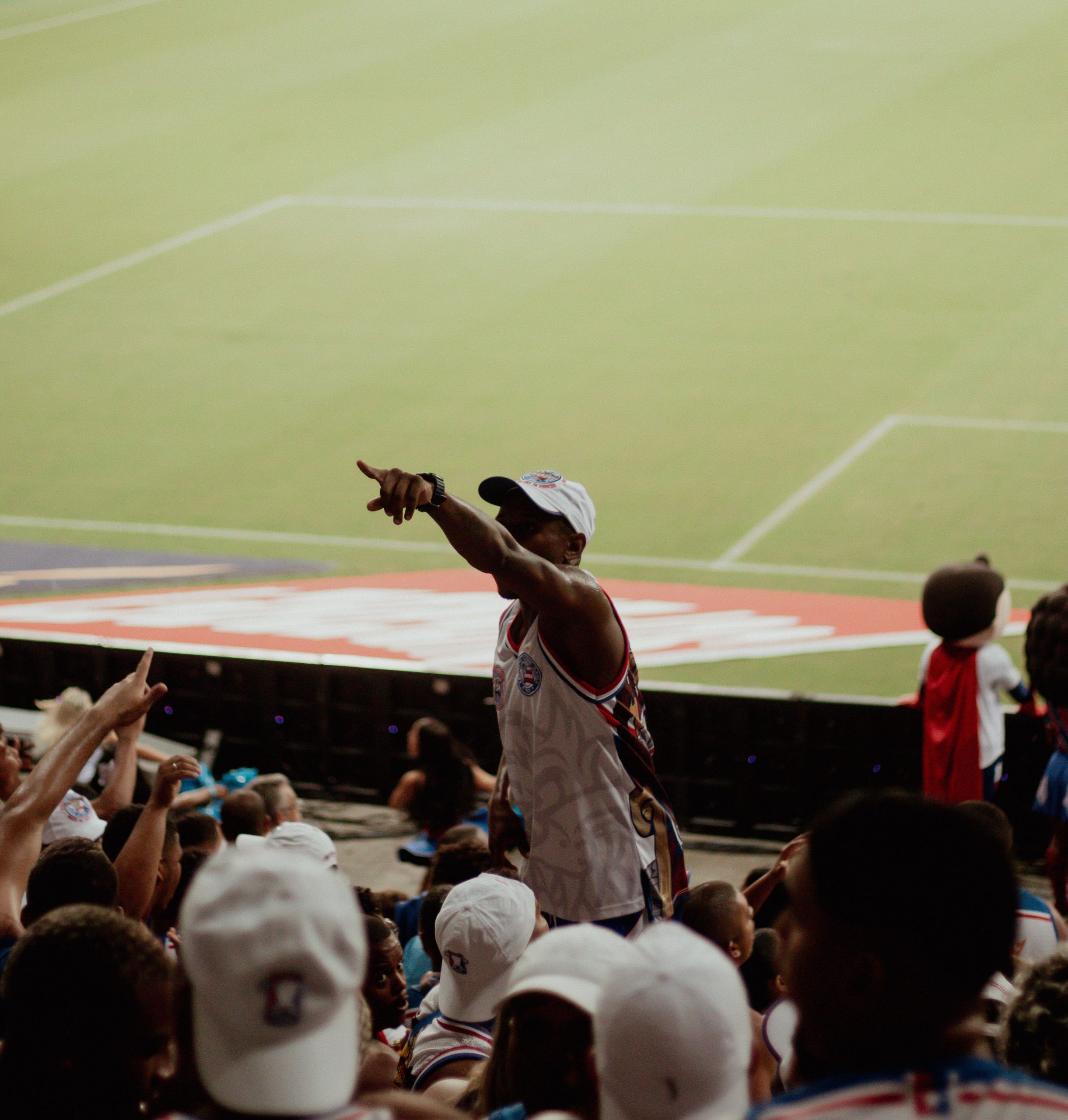
Tour announcements used to be simple moments of excitement. An artist would announce dates, fans would celebrate, tickets would go on sale, and the conversation would mostly stay positive until the show arrived. Today, that cycle looks very different. Before tickets even go live, tour announcements often trigger intense online debates, predictions, criticism, and competing opinions that can dominate social media for days.
What has changed is not just the music industry, but the way audiences participate in it. Fans are no longer passive receivers of information—they are active commentators, analysts, and sometimes critics of every detail surrounding a release.
One of the biggest drivers of this shift is accessibility. When a tour is announced, millions of people can immediately react across platforms like X, TikTok, Instagram, Reddit, and YouTube. Instead of a single shared response, there are thousands of overlapping conversations happening at once, each shaped by different expectations and perspectives.
Artists such as Taylor Swift, Drake, and Ariana Grande frequently experience this phenomenon, where tour announcements spark immediate analysis of ticket pricing, venue selection, stage design expectations, setlist predictions, and even fan accessibility.
Part of the debate culture comes from anticipation. When demand is extremely high, emotions intensify. Fans worry about missing out, securing tickets, or facing technical issues during high-traffic sales. This anxiety often turns excitement into discussion, comparison, and speculation long before the event begins.
Another factor is the rise of digital communities. Fans now organize themselves into highly engaged online spaces where every detail is discussed in real time. These communities amplify opinions quickly, turning individual reactions into collective conversations that spread across the internet.
Economic considerations also play a major role. Ticket pricing has become a central topic in modern entertainment discussions. As concert production costs increase, prices for live shows have risen in many markets, leading fans to debate fairness, accessibility, and value. These discussions often trend as soon as tour information is released.
Social media algorithms further amplify these conversations. Content that generates strong emotional responses—whether positive or negative—is more likely to be promoted. As a result, disagreement and debate often travel further than neutral excitement.
Interestingly, disagreement does not necessarily reduce interest. In many cases, controversy or debate increases visibility. The more people talk about a tour, the more it appears in feeds, trends, and recommendations, ultimately keeping the artist at the center of cultural conversation.
Fandom identity also contributes to this dynamic. Many fans feel a deep sense of personal connection to the artists they support. Because of this emotional investment, even minor decisions—such as setlist choices, tour locations, or promotional strategies—can become meaningful topics of discussion.
There is also a generational aspect. Younger audiences, who have grown up online, are more accustomed to expressing opinions publicly and engaging in rapid discourse. Comment sections, live chats, and reaction videos have become standard spaces for instant feedback and debate.
At the same time, artists and management teams are increasingly aware of this environment. Tour announcements are often carefully planned, with visual teasers, staged reveals, and strategic timing designed to shape the initial wave of public reaction.
Despite the debates, the underlying enthusiasm remains strong. High engagement—even when divided—signals cultural relevance. A tour that generates discussion is still a tour that captures attention, which is one of the most valuable outcomes in today’s entertainment economy.
Psychologically, this behavior reflects how modern audiences process shared cultural moments. Instead of quietly consuming announcements, people now participate in collective interpretation. Every detail becomes open to analysis, comparison, and discussion, turning entertainment into an ongoing conversation rather than a one-time event.
This shift also reflects the broader nature of internet culture. Online platforms reward participation, not passivity. Expressing an opinion, whether supportive or critical, becomes part of the experience itself.
Ultimately, tour announcements spark debate because they sit at the intersection of emotion, economics, identity, and community. They matter to people on both a personal and collective level, and that combination naturally produces strong reactions.
In today’s entertainment landscape, disagreement is not a sign of disconnection—it is a sign of engagement. Fans argue not because they care less, but because they care more. And as long as music remains a deeply emotional and shared experience, every tour announcement will continue to be more than just news. It will be a moment of conversation, interpretation, and cultural reaction that begins long before the first ticket is sold.
References
- Pew Research Center – Social Media and Online Behavior
- Reuters Institute – Digital News and Audience Engagement
- Harvard Business Review – Consumer Attention and Digital Culture
- Billboard – Live Music Industry Trends
- Variety – Entertainment and Fan Engagement
- Psychology Today – Group Behavior and Online Communities
Leave a Reply