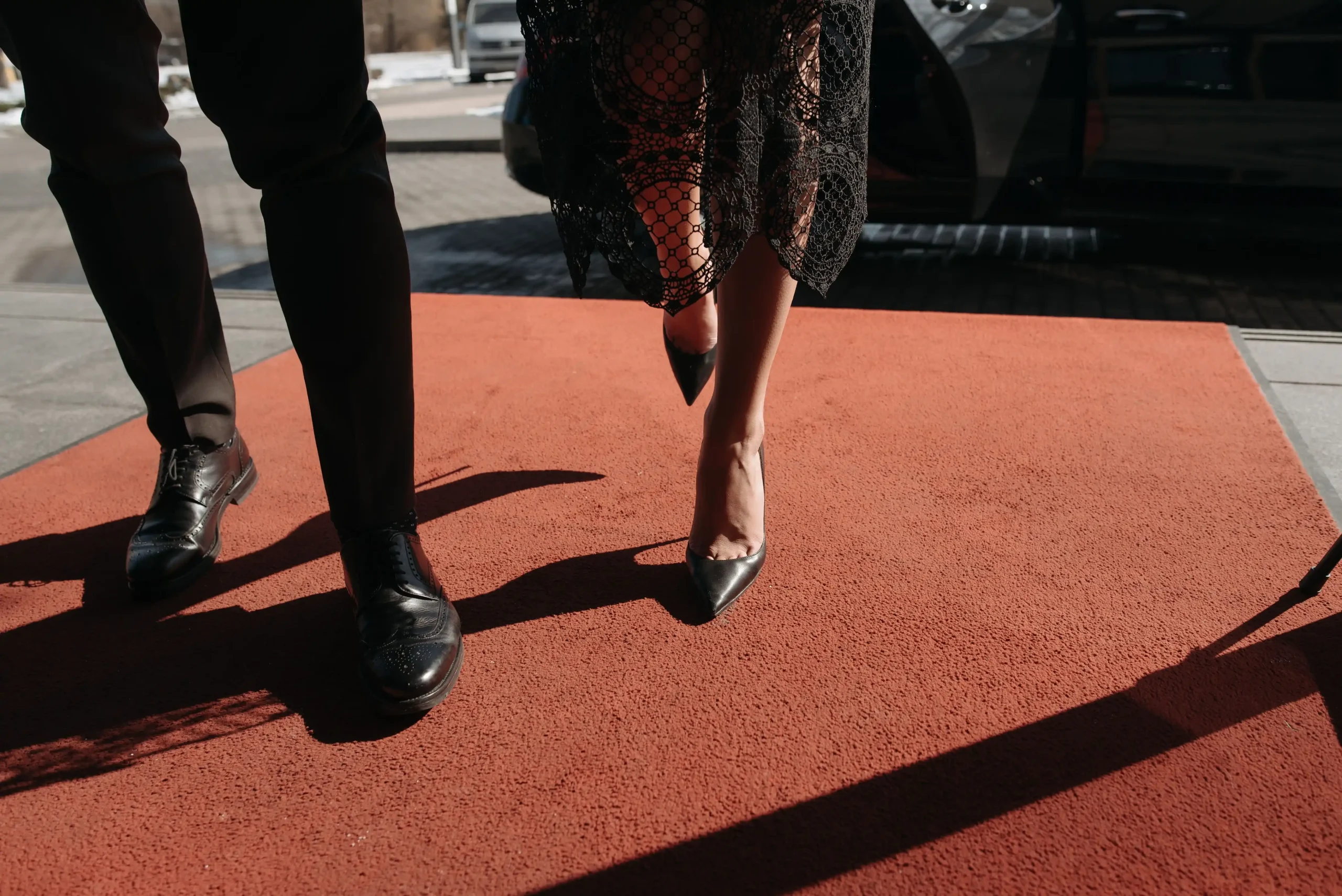
A hilarious awards show review from a tired Hollywood observer covering celebrity fashion, speeches, performances, Oscars drama, Grammys moments, and the biggest entertainment highlights.
Introduction: Someone Had to Watch Hollywood’s Biggest Night… Unfortunately, It Was Me
Every year, Hollywood gathers under the brightest lights, puts on expensive outfits, prepares emotional speeches, and convinces the world that sitting through a four-hour awards show is somehow a celebration instead of a test of human patience.
And every year, someone has to sit through it.
This year, that person was me.
I watched the awards show from beginning to end so you wouldn’t have to. I sacrificed my evening, my snacks, and several years of my attention span to bring you the honest review Hollywood may not want—but probably needs.
From dramatic acceptance speeches to questionable fashion choices, from performances that made us stand up and clap to moments that made us stare at the screen wondering, “Who approved this?”—Hollywood’s biggest night had everything.
And by everything, I mean glamour, chaos, tears, unexpected surprises, and at least three moments where I needed to ask for the manager of the entire entertainment industry.
Welcome to my exhausted woman’s review of awards season.
The Red Carpet: Where Fashion Dreams and Questionable Decisions Meet
Before anyone wins a trophy, they must first survive the red carpet.
The red carpet is where celebrities arrive wearing outfits worth more than most people’s houses, confidently posing for cameras while everyone at home becomes an unpaid fashion critic.
Because apparently, if someone famous wears a strange-looking outfit, it is no longer “weird.” It is “art.”
Interesting how that works.
A regular person shows up to dinner wearing something unusual and people ask, “Are you okay?”
A celebrity does it at an awards show and suddenly it’s called “a bold fashion statement.”
I have questions.
This year’s celebrity fashion moments gave us everything: classic Hollywood elegance, dramatic gowns, futuristic designs, and outfits that looked like someone lost a bet with a fashion designer.
There were celebrities who understood the assignment. They walked onto that carpet looking polished, confident, and timeless.
Then there were others who appeared to have asked, “How can I make everyone talk about me?” and the answer was apparently “wear something that requires an explanation.”
But that is the magic of awards show fashion.
The goal is not always to look beautiful.
Sometimes the goal is to create a 48-hour internet argument.
And congratulations, because it worked.
Awards Show Fashion: The Best Looks, The Biggest Risks, and My Personal Complaints
The thing about celebrity fashion is that it creates a completely different set of rules.
A celebrity can wear something impossible to move in, and everyone calls it stunning.
Meanwhile, regular people are just trying to find jeans that don’t feel like they are fighting against their own legs.
The biggest fashion trend at awards shows continues to be “effortless elegance,” which apparently requires months of preparation, a team of stylists, expensive jewelry, and someone following you around making sure your dress does not get caught on anything.
Effortless?
Sure.
Very effortless after approximately 300 people helped create the look.
But credit where credit is due: some celebrities truly understand how to make an entrance.
The best red carpet looks usually combine confidence, personality, and style. The outfit should support the person wearing it—not completely take over the conversation.
Because sometimes the dress arrives first, and the celebrity is just there holding it.
The Acceptance Speeches: Emotional, Beautiful, and Occasionally Too Long
Now let’s discuss the acceptance speeches.
This is the moment everyone waits for.
The winner walks on stage, the music begins, the tears start flowing, and suddenly we are reminded that behind all the Hollywood glamour are real people who worked incredibly hard.
And yes, I admit it—I get emotional.
Even the exhausted woman sitting on the couch with a snack in hand can appreciate a heartfelt speech.
Many winners use their moment to thank family, collaborators, fans, and people who supported them when nobody knew their name.
Those moments are genuinely special.
But then there are the speeches that begin with:
“I promise I’ll keep this short.”
And everyone watching immediately knows that we are about to hear a full autobiography.
Because no one has ever said “I’ll be quick” and actually been quick.
It is the universal law of award speeches.
Five minutes later, we have learned about their childhood, their first acting class, their neighbor’s encouragement, their childhood pet, and possibly the person who taught them how to believe in themselves.
Again, beautiful.
But somewhere, a producer is sweating.
The Emotional Moments Hollywood Loves to Create
Awards shows are built around emotion.
The comeback story.
The unexpected winner.
The person who finally receives recognition after years of work.
These are the moments that remind viewers why people love entertainment.
Behind every award is usually a story of dedication, rejection, failure, and persistence.
Hollywood loves a dramatic journey because Hollywood itself is built on dreams.
And honestly?
Even someone with a long list of complaints has to admit that seeing someone achieve a lifelong goal is inspiring.
There is something powerful about watching a person realize that all their hard work mattered.
Even if they thank 27 people afterward.
The Performances: Some Made History, Some Made Me Check the Time
Awards show performances are always unpredictable.
Sometimes you get a performance that reminds everyone why live entertainment is special.
The vocals are incredible.
The staging is unforgettable.
The audience is standing.
Everyone is talking about it the next day.
Then sometimes you get a performance where you quietly wonder:
“Was this supposed to happen?”
Music performances at awards shows are difficult because artists are competing against impossible expectations.
They need to sound perfect, look amazing, create a viral moment, and somehow make millions of people watching from home feel like they are part of the experience.
No pressure.
The best performances combine talent and creativity.
They do not need endless special effects or complicated staging.
Sometimes the strongest moments happen when the artist simply performs.
The Celebrity Drama: Because Apparently Awards Shows Need a Side of Chaos
Let’s be honest.
Awards shows are not just about awards.
They are also about the moments that happen between the awards.
The reactions.
The awkward conversations.
The unexpected interactions.
The camera cutting to someone at exactly the wrong time.
Because nothing creates internet discussion faster than a celebrity looking mildly confused for three seconds.
A person could simply be sitting in the audience thinking about what they are having for dinner, and within minutes the internet has created a 40-page analysis explaining their “shocking reaction.”
That is the world of celebrity culture.
Every facial expression becomes a headline.
Every outfit becomes a debate.
Every interaction becomes a mystery for fans to solve.
Sometimes the drama is real.
Sometimes people are just tired after sitting through a four-hour event.
But either way, Hollywood knows one thing very well:
People love a story.
And awards shows provide plenty of them.
The Oscars and Grammys: Different Shows, Same Hollywood Circus
While the Oscars and Grammys celebrate different forms of entertainment, they both follow the same basic formula:
Step one: gather famous people.
Step two: give them expensive outfits.
Step three: hand out trophies.
Step four: create enough memorable moments to keep people talking for weeks.
The Oscars have always carried a certain level of prestige. It is the night where filmmakers, actors, directors, and creators celebrate the biggest achievements in cinema.
The Grammys, meanwhile, bring the energy of music, performances, and unforgettable stage moments.
One celebrates storytelling through film.
The other celebrates the power of sound.
Both have their own traditions, controversies, surprises, and moments that make viewers say:
“Wait… did that really happen?”
And yes.
Usually it did.
The Speeches That Made Us Cry vs. The Speeches That Needed Editing
One thing awards shows have perfected is emotional storytelling.
A winning speech can become one of the most memorable moments of the night.
A few powerful words can inspire millions of people.
A simple thank you can remind viewers that success rarely happens alone.
But sometimes, we also have to discuss the speeches that needed a little trimming.
Because there is a difference between meaningful and a personal documentary.
The audience is happy for you.
We truly are.
But when the orchestra starts playing, that is usually Hollywood’s polite way of saying:
“Beautiful story. Wrap it up.”
Of course, nobody wants to interrupt an emotional moment.
These are once-in-a-lifetime achievements.
But somewhere backstage, a producer is holding a clipboard, watching the clock, and experiencing a level of stress only Hollywood executives understand.
The Biggest Problem With Awards Shows: They Are Too Long
Now we need to address the issue everyone secretly thinks about:
Why are awards shows so long?
By the time the final award is announced, viewers have experienced:
- multiple outfit changes
- several commercial breaks
- emotional speeches
- surprise appearances
- enough dramatic music to fill an entire album
At some point, even the most dedicated fans start asking:
“Are we celebrating entertainment or testing endurance?”
A shorter awards show would not hurt anyone.
In fact, it might make the entire experience better.
The best moments would feel bigger.
The speeches would feel more meaningful.
The performances would stand out more.
And viewers would not need a recovery day afterward.
Celebrity Culture: Why We Still Watch Even When We Complain
Here is the funny thing about awards shows.
People love to criticize them.
We complain about the outfits.
We complain about the speeches.
We complain about the winners.
We complain about the length.
And then we watch anyway.
Because celebrity culture is fascinating.
People are interested in creativity, success, fame, and the stories behind the people we see on screen.
Awards shows are not just about trophies.
They are about moments.
A career-changing win.
A legendary performance.
A surprising announcement.
A fashion look everyone remembers.
A speech that becomes part of entertainment history.
Even the chaos becomes part of the fun.
My Final Verdict: Hollywood Needs a Reality Check… But I’ll Still Be Watching
After spending hours watching Hollywood celebrate itself, I have reached an important conclusion:
I have many complaints.
But I will absolutely be watching again.
Because that is the strange relationship we have with awards shows.
They are dramatic.
They are excessive.
They are sometimes confusing.
They are occasionally way too serious about themselves.
But they are also entertaining.
The Oscars, Grammys, and other major awards events give audiences a chance to celebrate creativity and recognize the people who create the movies, music, and performances we love.
So yes, Hollywood, I have notes.
The speeches could be shorter.
The shows could be faster.
Some fashion choices need a serious conversation.
And maybe not every moment needs a 10-minute emotional buildup.
But keep the glamour.
Keep the performances.
Keep the unforgettable moments.
Because whether we admit it or not, we will still be watching.
Preferably with snacks.
And a notebook full of complaints.
Conclusion
Awards shows are more than just ceremonies—they are cultural events that bring together fashion, music, film, and celebrity moments in one unforgettable night. While they may inspire plenty of criticism and jokes, they continue to capture global attention because audiences love seeing creativity, success, and entertainment celebrated.
And if you need someone to watch it all and complain about every detail?
Don’t worry.
I already volunteered.
Leave a Reply