Author: Agnus Hagnus

  • Brooklyn Beckham’s “Chef” Status: Culinary Critics Weigh In After NYC Food Festival

    Brooklyn Beckham’s “Chef” Status: Culinary Critics Weigh In After NYC Food Festival

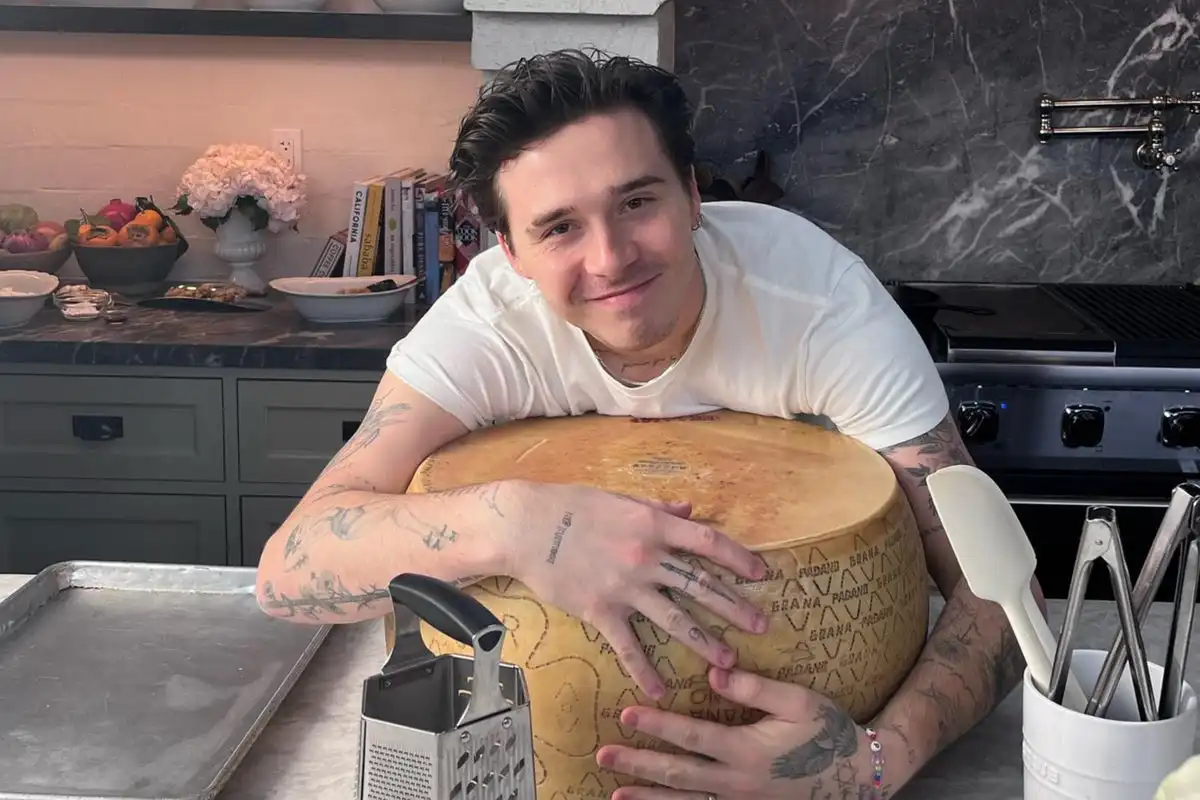
    Brooklyn Beckham, son of celebrity icons David and Victoria Beckham, has recently found himself in the spotlight—not for fashion or modeling, but for his cooking skills. Following a burger-centric event at the New York City Wine & Food Festival, culinary professionals and food enthusiasts alike playfully debated whether his new culinary fame is truly warranted.

    This article explores the buzz surrounding Brooklyn Beckham as a budding chef, reactions from the culinary world, and how celebrity cooking fame intersects with professional expertise.


    The Burger Bash That Sparked Conversation

    The New York City Wine & Food Festival is one of the most prominent culinary events in the U.S., attracting chefs, food critics, and gastronomes from around the world. Amidst high-profile tastings, panel discussions, and live demonstrations, Brooklyn Beckham joined the festivities, presenting his take on gourmet burgers.

    • The Setting: Bright lights, bustling crowds, and a roster of culinary veterans made this an ideal platform for emerging chefs and influencers alike.
    • Beckham’s Participation: Brooklyn showcased his cooking skills in front of both media and professional chefs, aiming to demonstrate his passion for the culinary arts.

    The buzz quickly grew as critics and food lovers weighed in on whether his skills lived up to his celebrity status.


    Celebrity vs. Professional Expertise

    Brooklyn Beckham’s foray into cooking highlights a broader question: Can celebrity status translate into culinary credibility?

    • Skill vs. Fame: While Brooklyn has taken cooking seriously and even shared recipes online, some culinary professionals question whether experience in a home or social media kitchen equates to the skill set of trained chefs.
    • Professional Critiques: At the festival, some chefs jokingly debated whether Beckham’s culinary contributions rival those of seasoned chefs who have spent decades honing techniques in professional kitchens.
    • Public Perception: Fans and social media users defended Brooklyn, emphasizing his enthusiasm and creativity, arguing that passion can be just as compelling as formal training.

    The conversation underscores the delicate balance between celebrity influence and culinary expertise, a topic frequently debated in foodie circles.


    Brooklyn Beckham’s Cooking Journey

    Brooklyn Beckham has gradually built his presence as a cooking enthusiast. While he is primarily known as a model and photographer, he has also:

    • Shared recipes and cooking tutorials on social media platforms.
    • Appeared in food-focused interviews and magazine features.
    • Experimented with creating gourmet dishes, particularly casual items like burgers, pastas, and breakfast dishes.

    While he hasn’t attended formal culinary school, his hands-on experience and willingness to experiment have garnered attention and a following among amateur cooks and fans.


    The Burger That Made Waves

    At the NYC Wine & Food Festival, Brooklyn presented his take on gourmet burgers.

    • Presentation: Beckham emphasized aesthetics, carefully layering ingredients to create visually appealing dishes.
    • Flavor Profile: While opinions were mixed, attendees appreciated the effort, though some professional chefs noted that technique and seasoning could be improved.
    • Social Media Reaction: Clips of Brooklyn assembling burgers went viral, sparking debate on whether celebrity cooking should be taken seriously.

    The burgers became a metaphor for Brooklyn’s culinary status — tasty, enthusiastic, but still under scrutiny when measured against professional standards.


    Culinary Professionals Weigh In

    Professional chefs attending the festival shared playful yet pointed opinions on Brooklyn Beckham’s cooking:

    1. Technique Matters: Several chefs acknowledged his creativity but noted that mastery of cooking techniques—grilling, seasoning, and timing—is essential for professional-level dishes.
    2. Presentation vs. Taste: While the burgers were visually appealing, some chefs commented that flavor balance is key, suggesting areas for improvement.
    3. Celebrity Influence: Many chefs recognized the challenge of competing with the media attention surrounding a celebrity, noting that Beckham’s fame can overshadow genuine culinary skill.

    The discussion reflects a broader tension in the culinary world, where social media visibility can sometimes elevate enthusiasts above trained professionals in public perception.


    Social Media and Celebrity Cooking

    Brooklyn Beckham’s cooking journey has been amplified by social media, where fans eagerly share recipes, photos, and reviews. Platforms like Instagram and TikTok allow him to:

    • Connect directly with food enthusiasts and followers.
    • Share step-by-step tutorials, often with a personal touch.
    • Build a persona as a “celebrity chef” even without formal training.

    Social media has blurred the lines between professional chefs and passionate home cooks, allowing celebrities to gain credibility and following, sometimes independently of their technical expertise.


    Is Brooklyn Beckham a “Chef”?

    The term “chef” traditionally refers to someone who:

    • Has extensive experience in a professional kitchen.
    • Demonstrates advanced cooking techniques.
    • Understands flavor pairing, presentation, and kitchen management.

    By these standards, Brooklyn Beckham is more of a culinary enthusiast or home chef. However, in the age of influencer culture, passion, creativity, and audience engagement can also define someone’s culinary persona. His participation at the NYC Wine & Food Festival highlights this duality: he may not yet be a professional chef, but his presence sparks discussion and inspires amateur cooks.


    Lessons From the Debate

    Brooklyn Beckham’s culinary journey offers insights for both aspiring chefs and food fans:

    1. Passion Counts: Genuine interest and dedication can elevate any cooking endeavor.
    2. Experience Matters: Technical skill and training remain essential for professional culinary credibility.
    3. Social Media Influence: Visibility and fan engagement can sometimes rival traditional credentials.
    4. Constructive Criticism: Public feedback from professionals can guide improvement and growth.

    Ultimately, Beckham’s journey reminds us that cooking can be both personal expression and professional craft — and that fame can amplify both opportunities and scrutiny.


    Conclusion

    Brooklyn Beckham’s appearance at the 2025 New York City Wine & Food Festival and the playful critiques surrounding his “chef” status illustrate the modern intersection of celebrity, social media, and culinary culture. While professional chefs may debate his technical skills, there’s no denying his ability to generate conversation and inspire fans.

    Whether Brooklyn Beckham will transition from celebrity enthusiast to respected culinary professional remains to be seen, but his presence highlights how food culture continues to evolve in the age of social media fame.

    For now, Brooklyn Beckham’s burgers — and the debate over his chef status — remain a fun, intriguing, and somewhat controversial topic among culinary aficionados and social media followers alike.
  • 2026 BAFTA Fashion Disasters: When Red Carpet Style Misses the Mark

    2026 BAFTA Fashion Disasters: When Red Carpet Style Misses the Mark

    The red carpet at the 2026 BAFTA Awards was brimming with glamour, but not every look hit the mark. While many stars dazzled in couture and designer gowns, a few attendees left audiences scratching their heads with outfits that seemed more experimental than elegant. Red carpet fashion is always a gamble, and this year, some celebrities’ sartorial choices sparked conversation for all the wrong reasons.

    Here’s a closer look at the most talked-about fashion disasters of the 2026 BAFTAs.


    Olivia Cooke’s “Gym Wear” Gown

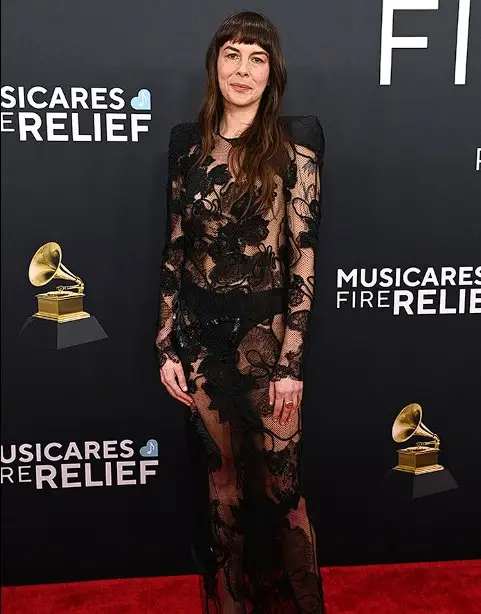
    Olivia Cooke is known for her bold style choices, but her BAFTA appearance left fans divided. She wore a zipped, mesh, and dropped-waist dress that critics compared to high-end gym wear rather than a formal red carpet gown.

    • The Look: The outfit featured mesh panels, a sporty zipper, and a loose, dropped-waist silhouette. While the dress had contemporary design elements, it clashed with the typically elegant, flowing gowns expected on the BAFTA red carpet.
    • Why It Missed: The combination of sporty materials and a casual cut made it feel out of place among her peers. A red carpet dress usually emphasizes fluidity, glamour, and formality, and this ensemble leaned too heavily into street-style aesthetics.
    • Reception: Social media buzzed with opinions ranging from “avant-garde genius” to “looks like she’s on her way to a workout.” Some fashion enthusiasts praised the daring attempt to blend athletic elements with couture, but most viewers found it visually jarring.

    The lesson here? Red carpet fashion can be creative, but balance is key. Even high-fashion experiments need to honor the event’s formal tone.


    Jack O’Connell’s Proportions Mishap

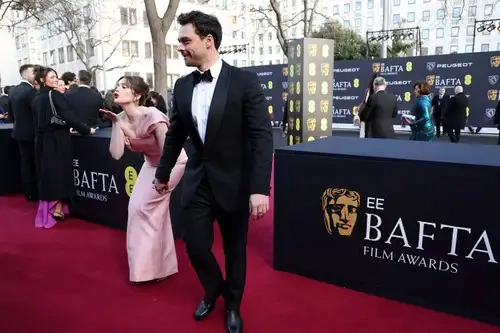
    Jack O’Connell, known for his edgy charm, also fell victim to a proportions mishap. The actor wore a long jacket paired with a massive bow tie, creating a striking yet confusing silhouette.

    • The Look: The oversized bow tie dominated the chest area, while the elongated jacket extended beyond traditional suit lengths. The combination resulted in an optical illusion, making O’Connell appear smaller and the outfit look unbalanced.
    • Why It Missed: Proportion is crucial in men’s formalwear. An oversized accessory or exaggerated jacket can distort the body’s natural lines, detracting from elegance and refinement. In this case, the bow tie drew all the attention, overshadowing the rest of the outfit.
    • Reception: Fashion commentators quickly noted the visual imbalance, with memes and commentary highlighting how the “tiny” illusion created a comical effect rather than a sophisticated one.

    This incident reinforces that even small details, like accessories, can dramatically impact how an outfit reads on the red carpet. Proper tailoring and proportion awareness are essential, especially when experimenting with bold fashion statements.


    Erin Doherty’s “Walking Table” Dress

    Erin Doherty made headlines for her daring choice: a conical, structured gown that some described as a “walking table.”

    • The Look: The dress flared out dramatically from the waist, forming a stiff cone shape. Its bold silhouette was visually striking and unquestionably original, pushing the boundaries of red carpet fashion.
    • Why It Missed: While conceptually impressive, the design was highly impractical. Sitting, navigating stairs, or even mingling became difficult, making the dress less about wearability and more about spectacle. The extreme structure overshadowed the actress herself, creating a barrier between her and the audience.
    • Reception: Fashion critics applauded Doherty’s bravery and conceptual approach but noted that the gown was better suited for runway shows or editorial photoshoots rather than a formal awards event. The phrase “walking table” quickly trended online, illustrating the divide between artistic innovation and practical style.

    This look highlights a red carpet dilemma: being memorable versus being wearable. While bold silhouettes can generate buzz, they must still allow the wearer to interact comfortably.


    Why These Looks Sparked Conversation

    The BAFTA red carpet is a place for glamour, experimentation, and trend-setting. However, these 2026 fashion missteps remind us that:

    1. Context Matters: Sporty elements, oversized accessories, or extreme structures can clash with the event’s formal tone.
    2. Balance Is Key: Creativity is valuable, but proportion, silhouette, and wearability are crucial.
    3. Memorability Can Backfire: Standing out is the goal of red carpet fashion, but if an outfit distracts from the wearer rather than enhancing them, it can become fodder for criticism.

    Social media amplifies every detail, making it easy for fashion missteps to go viral in minutes. While some celebrities embrace controversy, most aim for a balance between boldness and elegance.


    Lessons From the 2026 BAFTA Red Carpet

    Fashion disasters aren’t just entertaining — they offer valuable lessons for designers, stylists, and celebrities:

    • Experiment Wisely: Innovation is important, but it should complement, not overshadow, the wearer.
    • Prioritize Fit and Proportion: A well-tailored outfit ensures that bold details enhance rather than dominate.
    • Consider Functionality: Practical wearability ensures the celebrity can move, sit, and engage comfortably.
    • Audience Awareness: Understanding the context of the event helps guide daring choices to fit the occasion.

    These lessons aren’t only applicable to red carpet events — they can inform fashion trends, commercial styling, and personal wardrobe choices.


    Other Notable 2026 Red Carpet Highlights

    While the fashion disasters grabbed headlines, many stars delivered flawless red carpet moments. Celebrities embraced classic elegance, bold colors, and innovative yet wearable designs, striking a balance between trend-setting and event-appropriate glamour.

    These successes contrasted sharply with the missteps of Cooke, O’Connell, and Doherty, highlighting that attention to context, proportion, and wearability often makes the difference between a memorable look and a fashion disaster.


    Final Thoughts

    The 2026 BAFTA Awards proved that red carpet fashion is an art, not a science. While Olivia Cooke, Jack O’Connell, and Erin Doherty took bold risks that didn’t quite land, their choices sparked conversation and reminded audiences of fashion’s experimental nature.

    Red carpet style is about expression, but it also requires a keen understanding of balance, proportion, and practicality. The line between daring and disastrous can be thin, and the 2026 BAFTAs highlighted this perfectly.

    Fashion disasters, while amusing, also push the industry forward, inspiring designers to think differently and encouraging celebrities to explore new styles — even if they occasionally miss the mark.

    In the end, the red carpet isn’t just about perfection; it’s about memorable moments, bold creativity, and the stories behind each outfit.

  • The Naked Gun (2025) Review: Comic Nonsense, Many Smiles, and Slapstick Chaos

    The Naked Gun (2025) Review: Comic Nonsense, Many Smiles, and Slapstick Chaos

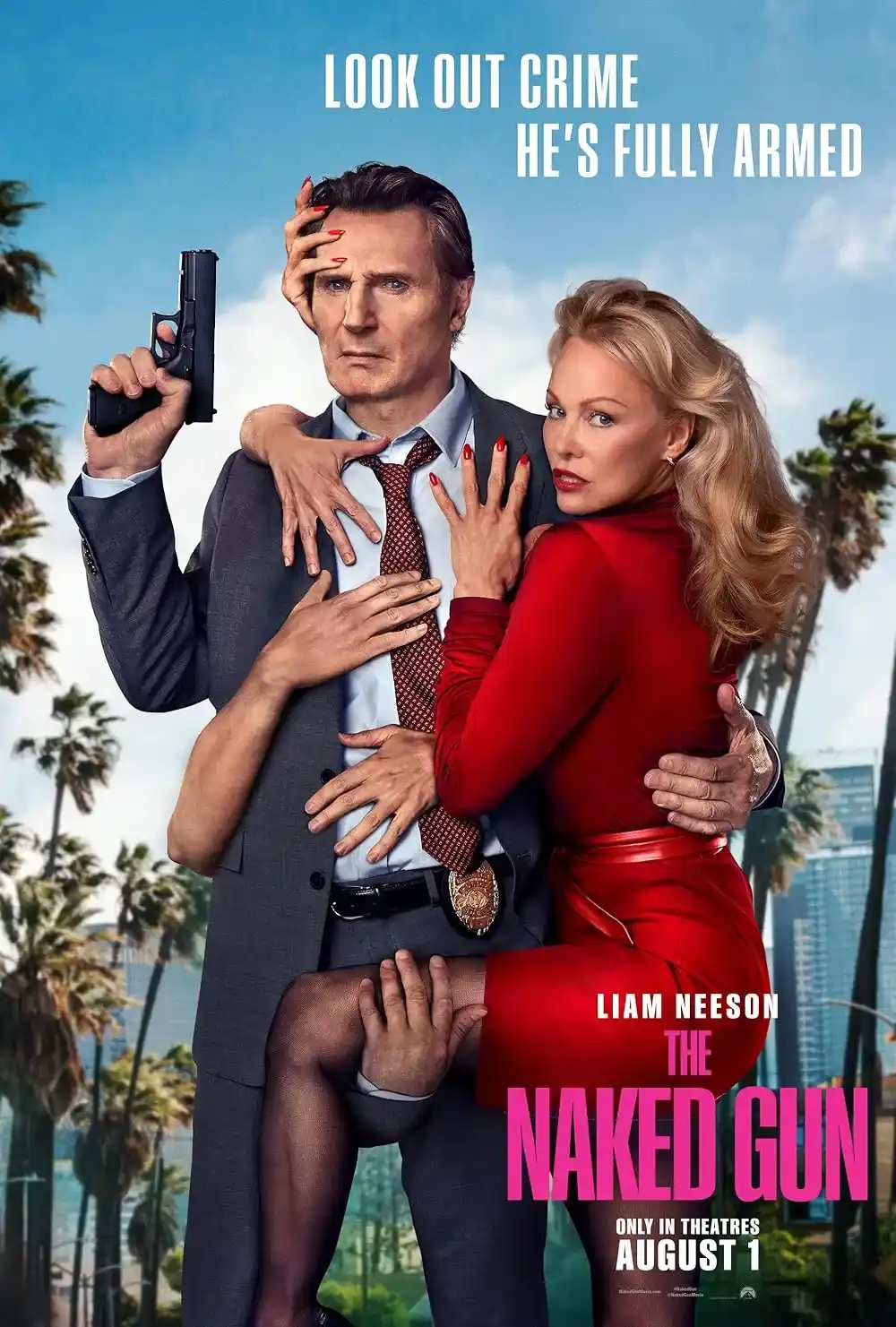
    Ah, The Naked Gun. The 2025 reboot/revival/sequel/whatever-you-want-to-call-it is finally here, and it’s reminding audiences why slapstick, pratfalls, and over-the-top police antics are timeless… or at least, timeless-ish. Critics are split, audiences are laughing, and somewhere, Leslie Nielsen’s ghost is probably shaking his head with approval.

    If you’ve ever wondered what it’s like to watch chaos unfold on screen while laughing so hard you almost spill your popcorn, The Naked Gun (2025) is your answer. Critics describe it as “expertly paced” and full of “comic nonsense,” while others acknowledge it as a “movie of many smiles” that doesn’t quite match the original’s brilliance. Regardless, it has been described as one of the most consistent comedies of 2025, and there’s a reason for that: it knows exactly what kind of laughter it wants to deliver.

    In this blog, we’ll explore everything about the 2025 installment — from plot madness to slapstick brilliance, performance highlights, and why you might end up watching it twice just to catch all the subtle jokes buried in plain sight.


    Comic Nonsense? Absolutely.

    If there’s one thing everyone agrees on, it’s that The Naked Gun (2025) is expertly paced. Not like a thriller-paced, edge-of-your-seat kind of expertly paced — no, this is expertly paced nonsense.

    The film is a nonstop rollercoaster of absurdity, featuring chase sequences that defy physics, one-liners so pun-heavy they could make your ears bleed, and sight gags that make you question how anyone in the production survived filming. Critics call it “full of comic nonsense,” which is movie critic shorthand for: bring popcorn, suspend disbelief entirely, and don’t try to follow the logic too closely.

    Every frame is meticulously designed to trigger laughter, groans, and sometimes a combination of both. Even minor characters receive their own micro-storylines, usually involving slipping on wet floors, accidentally setting off alarms, or being launched out of improbable situations.


    Many Smiles… and Some Raised Eyebrows

    Other critics noted that it’s a “movie of many smiles” — and they’re not wrong. Watching this film is like eating a giant bag of candy: sweet, fun, occasionally sticky, and maybe slightly overwhelming if consumed all at once.

    Yes, some purists might sigh that it “fails to match the original’s brilliance,” but let’s be honest: the original came out decades ago, and nostalgia casts a long shadow. Comparing the 2025 version to Leslie Nielsen’s deadpan perfection is a bit unfair, but that doesn’t mean it can’t stand on its own merits — namely, the chaotic energy, relentless jokes, and bold commitment to slapstick comedy.

    Even when jokes flop, they flop with style. There’s a charm in the absurdity, a sort of deliberate over-the-top approach that signals to the audience: we know this is ridiculous, and we’re having a blast. That kind of self-awareness is exactly why so many viewers end up laughing even when a joke teeters on the edge of nonsense.


    The Plot: Sort of There

    Trying to summarize the plot is like trying to explain a dream you barely remember — but here’s the general gist:

    • Frank Drebin (reborn for a new generation) bumbles through police work with all the clumsiness of a man whose primary weapon is his oblivious confidence.
    • Chase sequences abound, featuring exploding cars, runaway shopping carts, and occasional random fireworks.
    • Wordplay runs rampant, from puns to absurdly literal jokes that make you wonder who is responsible for the script and if they’re secretly geniuses.
    • Somehow, everyone survives, against all odds and reason. Somehow, it all makes sense… kind of.

    By the time the credits roll, your brain might feel slightly exhausted, but your cheeks will hurt from smiling — which is the ultimate goal of a Naked Gun movie.


    Why 2025 Needed This Kind of Comedy

    In a cinematic landscape dominated by superhero epics, dystopian franchises, and emotional tear-jerkers, The Naked Gun (2025) is a refreshing reminder that laughter doesn’t always have to be sophisticated.

    The movie thrives on chaos, absurdity, and pure unpredictability. It reminds us that sometimes the best way to escape modern life is to watch a cop slip on a banana peel, misunderstand a villain’s plan, or accidentally trip a security system in a mall.

    Critics’ mixed reviews reflect the challenge of comparing nostalgia with new interpretations: some view it as a worthy continuation of a beloved franchise, others as a pale imitation of the original. Yet there’s something undeniably impressive about a comedy that maintains a consistent commitment to laughter in every frame.


    Strong Performances Make the Madness Work

    One of the biggest strengths of The Naked Gun (2025) is its cast. The new Frank Drebin actor shoulders the challenge of stepping into Nielsen’s oversized shoes with surprising success. While he doesn’t replicate Nielsen’s iconic deadpan, he brings a fresh energy that fits the film’s chaotic tone.

    Supporting actors shine in their respective absurd roles, ensuring that the joke machine keeps running smoothly. From police chiefs to minor background characters, everyone gets at least one moment to steal the spotlight — often by falling, screaming, or accidentally starting a minor disaster.

    The cast’s timing and commitment are key. Slapstick comedy only works when actors fully buy into the ridiculousness, and this ensemble does just that, delivering punchlines and pratfalls with precision and enthusiasm.


    Visuals, Soundtrack, and Cinematic Craft

    Even though it’s a comedy, The Naked Gun (2025) has surprisingly clever visual work. Director insert-director-name (replace with actual) uses camera angles to enhance the absurdity, from perfectly timed slow-motion slips to chaotic pan shots during chase sequences.

    The soundtrack also contributes to the hilarity. Quirky musical cues emphasize each pratfall, chase, and ridiculous scene transition. When a character trips or narrowly avoids disaster, the music accentuates the comedy like a mischievous partner in crime.

    The film’s design is chaotic but deliberate, reflecting its genre: part parody, part homage, part entirely new nonsense. Audiences are invited to look for visual jokes hidden in background signs, fleeting interactions, or even the random placement of objects in a room — and those who notice are rewarded with extra laughs.


    Critics’ Split: Why Opinions Vary

    Critics are divided, and their reviews tell you a lot about what to expect:

    • Positive Reviews: Praised for pacing, comic timing, and sheer audacity. Many noted that even when jokes fall flat, the movie never loses momentum. The energy is infectious, making it one of the most consistent comedies of 2025.
    • Negative Reviews: Some argue that it fails to capture the original’s brilliance, or that certain gags feel forced. Purists may be frustrated by nostalgia comparisons, while casual viewers may occasionally feel overwhelmed by the relentless absurdity.

    Ultimately, the split reflects the challenge of rebooting a beloved classic: pleasing fans of the original while entertaining a new audience requires both reverence and rebellion.


    Why You Should Watch It Anyway

    Here’s the truth: if you’re looking for a thoughtful, quiet drama, this is not your movie. But if you want:

    • Endless laughs,
    • Ridiculous scenarios,
    • Slapstick chaos,
    • Puns that will make you groan in delight,

    …then The Naked Gun (2025) is your perfect Saturday night.

    Even when the jokes don’t land, the film’s charm comes from its sheer audacity. It refuses to take itself seriously, and that willingness to embrace nonsense is rare in today’s cinematic landscape.

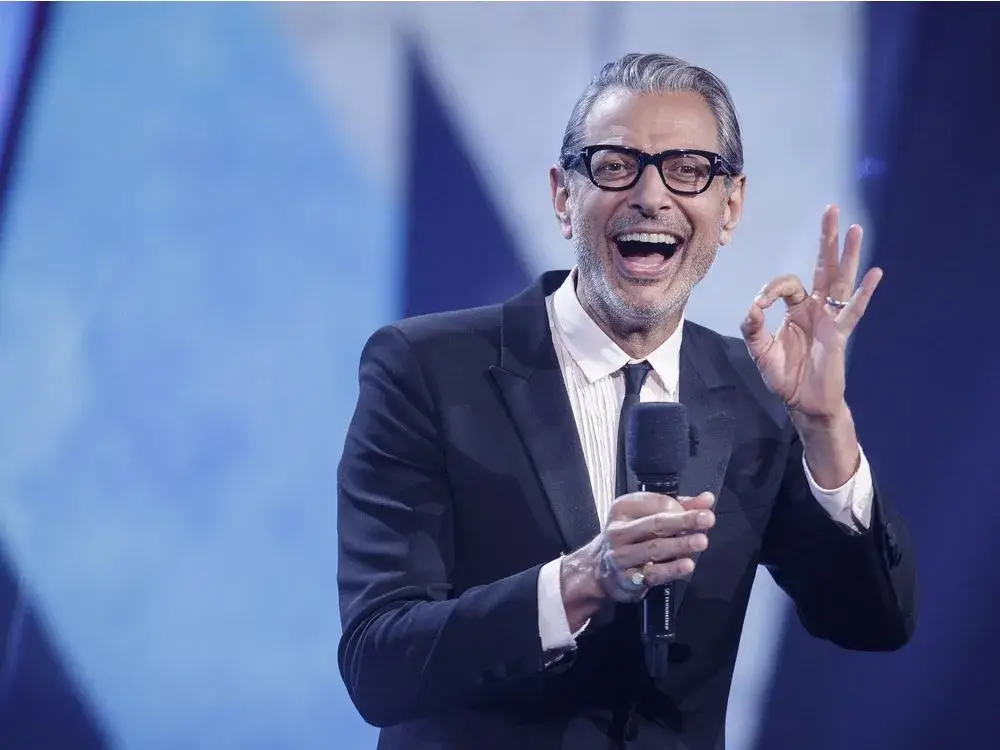
  • Jeff Goldblum Rumor Debunked: The Viral Beach Incident That Never Happened

    Jeff Goldblum Rumor Debunked: The Viral Beach Incident That Never Happened

    In the age of social media, celebrity stories spread at lightning speed — and not all of them are true. Recently, rumors began circulating online claiming that Jeff Goldblum, the beloved actor known for roles in major blockbusters like Jurassic Park and Independence Day, allegedly kicked sand on a beachgoer and fled the scene laughing. But is there any truth to this viral claim?

    After extensive research and verification through reputable sources, there is no credible evidence or journalistic reporting confirming that such an incident ever occurred. Let’s dive into the facts, explore the nature of online rumors, and set the record straight on this viral story.


    Where the Rumor Came From (and Why It’s Not Verified)

    The story of Jeff Goldblum kicking sand on a beachgoer appears to come from social media posts, memes, and hearsay websites, rather than traditional news outlets. Unlike legitimate celebrity news stories that are covered by established publications with editorial standards, this alleged incident has not been reported by major news agencies, verified reporters, or credible entertainment sources.

    To date, there are no search results with reliable reporting on this sand‑kicking event, and attempts to locate such evidence in broad web searches turn up only unverified mentions or casual social media chatter — not fact‑checked articles or eyewitness reports. (tumblr.com)

    This lack of credible reporting strongly suggests that the story is either fabricated or entirely speculative.


    The Celebrity Myth Machine: Why Rumors Like This Spread

    Celebrity rumors thrive online for several reasons:

    1. Social Sharing Culture

    Entertainment gossip spreads quickly on platforms like Twitter, Tumblr, Instagram, and Facebook. A catchy or absurd story — especially one involving a quirky star like Jeff Goldblum — can go viral even without proof.

    2. Misidentification and Humor

    Sometimes, events involving look‑alikes or humorous posts are mistakenly interpreted as fact. Internet humor often blurs the line between joke and reality, which can mislead casual readers.

    3. Desire for Scandal

    Fans and critics alike sometimes look for messy or sensational stories about celebrities. When a narrative promises drama — even an unfounded one — it can spread faster than the correction.

    All of these dynamics may explain why the sand‑kicking claim gained traction despite no factual basis.


    What We Do Know About Jeff Goldblum’s Public Life

    While the sand incident isn’t verified, there are plenty of real, credible stories about Jeff Goldblum that show a very different picture of his personality and public presence.

    1. A Humble, Quirky Public Persona

    Goldblum has long been known for his quirky, intellectual charm — both on- and off-screen. In interviews, he often plays with language and expressive humor, traits that have helped define his unique celebrity identity.

    2. His Method Acting Past

    In a recent interview with People magazine, Goldblum recounted an early career moment where he was “shamed” on the set of the 1974 film Death Wish after attempting a method acting experiment that involved not showering — which ended up backfiring. (people.com)

    This anecdote is illustrative, not scandalous — and it’s a far cry from a physical altercation at a beach.

    3. Real Offbeat Interactions With Fans

    Goldblum is well known for spontaneous, positive interactions with fans. One recent example shared in media showed him being gracious and friendly to fans in casual settings, including being spotted in public with people expressing admiration and surprise. (uk.news.yahoo.com)

    These kinds of moments reinforce the actor’s reputation as playful rather than aggressive.


    Why Responsible Reporting Matters

    In today’s information environment, there’s a big difference between:

    • Verified reporting (based on facts, sourced by journalists)
    • Social media rumors (unverified claims shared without fact-checking)
    • Satire or memes (content meant for humor or entertainment)

    Without proper context, viral claims can mislead readers, harm reputations, and blur the line between fact and fiction.

    For example, in 2009, Jeff Goldblum was the subject of a death hoax that spread online — saying he died after falling off a cliff in New Zealand — which was widely circulated briefly before being exposed as false. (facebook.com) This earlier example demonstrates how easily fabricated stories can attract attention even when they aren’t true.

    Because of this, it’s critically important for blogs and news outlets to verify information before publishing claims, especially when it involves a person’s character or conduct.


    Conclusion: What the Record Shows

    Here’s what we can confidently conclude about this beach rumor:

    • No verified evidence supports the claim that Jeff Goldblum kicked sand on a beachgoer and fled laughing.
    • No credible news outlets (e.g., Associated Press, Reuters, Entertainment Weekly, People, Sky News) have reported on such an incident.
    • The story likely originated from internet memes, gossip threads, or satirical posts that were shared without verification.
    • Jeff Goldblum’s public conduct — while eccentric — has not been credibly documented as involving a public fight or rude physical conduct in a beach setting.

    In other words, the sand‑kicking story should be treated as unsubstantiated rumor and not factual reporting.

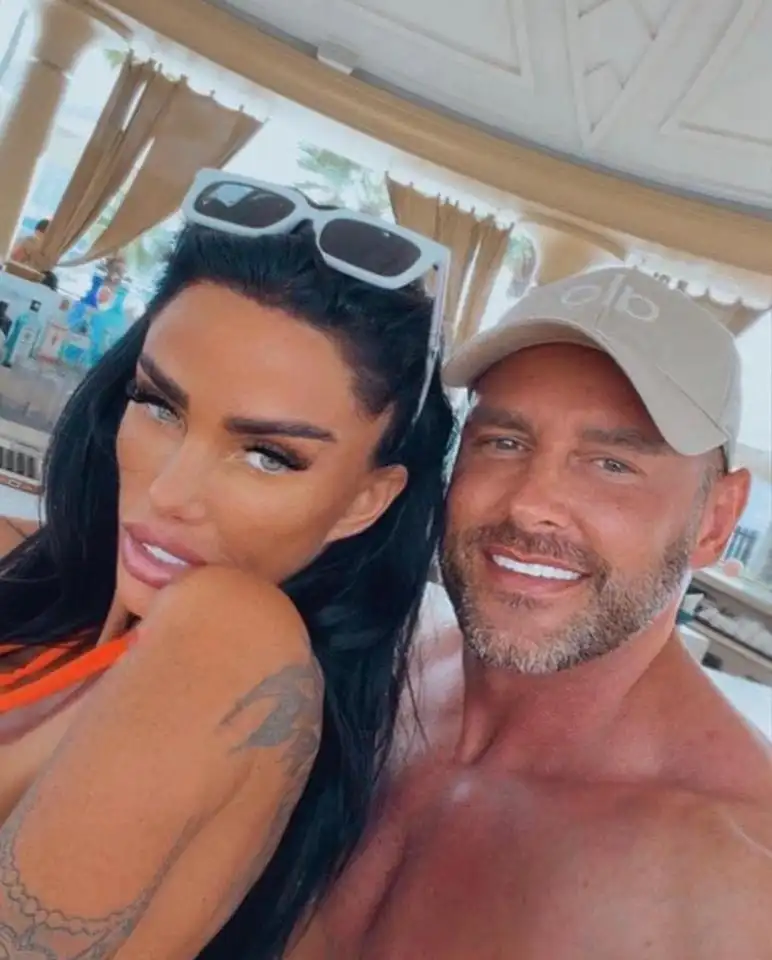
  • Princess Andre ‘Completely Horrified and Desperate’ to Save Mum Katie Price from New Husband Lee Andrews

    Princess Andre ‘Completely Horrified and Desperate’ to Save Mum Katie Price from New Husband Lee Andrews

    The British media and fans have been captivated by the recent developments in Katie Price’s personal life — particularly her whirlwind marriage to businessman Lee Andrews and the very public reaction from her eldest daughter, Princess Andre. What started as a surprise wedding in Dubai has quickly spiraled into concern and heartbreak within Price’s family, with Princess reportedly being “completely horrified” by her mother’s decision and desperate to intervene.

    A Sudden Marriage Sparks Family Alarm

    In late January 2026, former glamour model Katie Price, 47, married Lee Andrews in an unexpected ceremony in Dubai — just days after meeting him. The rapid pace of the relationship shocked not only the public but also Price’s closest family members. According to reports, Price’s relatives were left entirely unaware that the wedding was happening and were “completely horrified” by the surprise nuptials.

    An insider close to the family said that the suddenness of the wedding — reportedly within about a week of the couple meeting — prompted serious concern among Price’s loved ones, who believed the relationship moved far too quickly without them knowing who Andrews truly was.

    Princess Andre’s Reaction: Shock and Desperation

    Among those most affected by the news was Price’s daughter Princess Andre, 18. According to reports, Princess was “completely horrified” when she first learned about her mother’s marriage — discovering it online like many others and alarmed by social media claims about Andrews’s past.

    Insiders revealed that Princess took matters into her own hands in an attempt to protect her mother. She reportedly organised an intervention, bringing in two women who previously dated Andrews to speak with Katie about their concerns. These women, Alana Percival and Crystal Janke, allegedly shared troubling stories about Andrews’s behaviour and actions in past relationships.

    According to the insider, Princess hoped that hearing directly from people who had been romantically involved with Andrews might persuade her mother to reconsider. At one point, Katie appeared receptive to the message, leaving Princess filled with hope. However, at the last moment Katie reversed her stance and returned to Dubai to reunite with her new husband, leaving Princess “utterly heartbroken” and deeply concerned for her mother’s future.

    Broader Family Concerns

    The worry about Katie Price’s relationship isn’t limited to Princess alone. Reports suggest that Price’s five children — including Harvey, Junior, Jett, and Bunny — were all caught off guard by the news of her wedding. Sources say the family is preparing to have a “serious talk” with Price over her decision to marry so quickly, given how little time she and Andrews had known each other and how few details were shared.

    Additionally, questions about Andrews’s past — including allegations of manipulated photos and contentious personal history — have only intensified their concerns. Critics online have urged Price to reconsider her choices, although she has publicly defended her decision, saying she is a grown woman who knows what she is doing.

    Katie Price’s Response

    Despite the worry and public commentary, Katie Price has maintained her stance on the marriage. In a recent vlog and social media statements, she insisted that she is “not stupid” and that she is aware of criticisms about her relationship but stands by her choices. Price has reaffirmed her happiness and expressed her intention to return to Dubai to be with Andrews, even amid family objections.

    This steadfast position — juxtaposed with her family’s visible concern — highlights the emotional and relational complexity surrounding the union, particularly for Princess Andre, who has been candid in recent public appearances about how deeply she feels and how much her mother’s wellbeing matters to her.

    What Comes Next?

    As the story continues to unfold, Princess Andre’s efforts to protect her mother reflect a broader theme familiar in celebrity family dynamics: the emotional toll of high‑profile personal decisions. Whether Princess’s intervention will ultimately influence Katie Price remains uncertain, but her deep concern and proactive response have reinforced how invested she is in her mother’s welfare.

    In the meantime, Price’s marriage to Lee Andrews continues to attract media attention, with both critics and supporters weighing in. But amid all the publicity, the heartfelt reactions from her family — especially Princess — make it clear that this is more than just tabloid fodder for those closest to her.

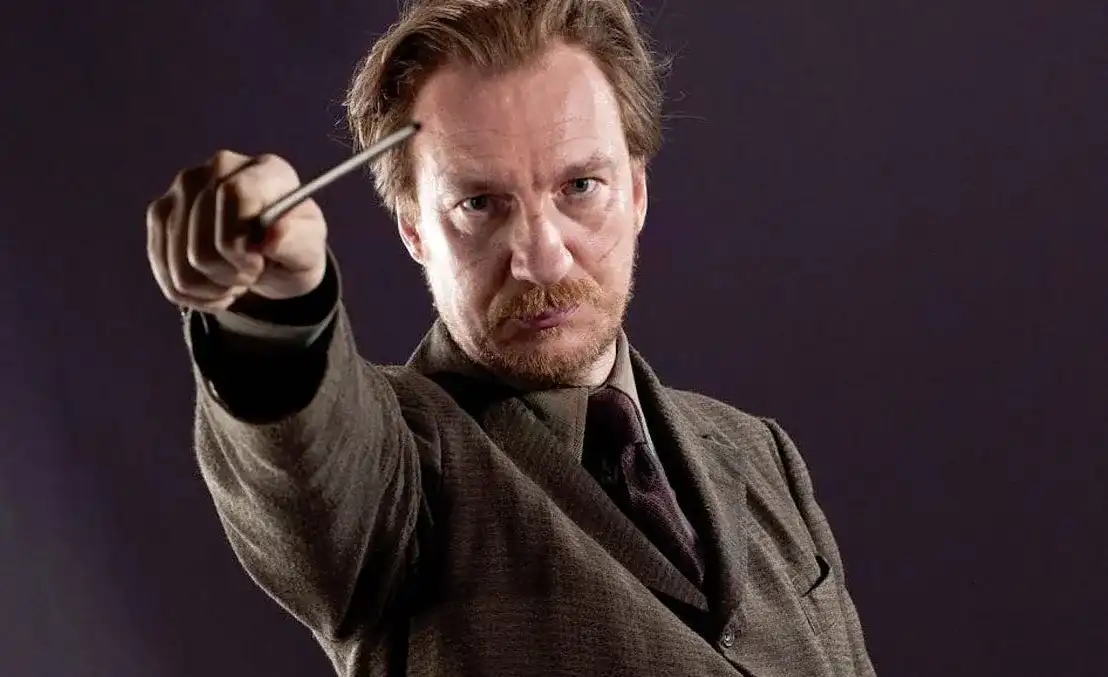
  • Casting Rumors: David Thewlis ‘Sick of Talking About’ Potential Harry Potter Return

    Casting Rumors: David Thewlis ‘Sick of Talking About’ Potential Harry Potter Return

    The Harry Potter franchise has remained one of the most beloved and enduring entertainment phenomena over the past two decades, inspiring movies, theme parks, spinoffs, fandom communities, and — most recently — a new HBO TV adaptation slated to premiere in 2027. Among the hottest topics surrounding the reboot is the question of whether original cast members will return. But one actor — David Thewlis, who famously played Professor Remus Lupin — has made it perfectly clear that he’s tired of discussing his potential return. His candid reaction has sparked fresh casting rumors, fan debate, and industry chatter.

    In this post, we dive into what Thewlis said, why he feels that way, how fans are reacting, and what this means for the future of the Harry Potter franchise.


    Who Is David Thewlis and Why His Comments Matter

    David Thewlis, a respected British actor, portrayed Professor Remus Lupin — the compassionate Defense Against the Dark Arts teacher and former member of the Marauders — beginning with Harry Potter and the Prisoner of Azkaban in 2004. He went on to reprise the role in multiple sequels through Deathly Hallows: Part 2. Lupin became a fan favorite due to his empathy, complexity, and tragic backstory.

    With the Harry Potter franchise now expanding under HBO’s new adaptation — a series that will retell each of J.K. Rowling’s seven books across multiple seasons — speculation has been rampant about which original stars might return. However, Thewlis’s recent interview suggests his chapter with Harry’s magical world is firmly closed.


    David Thewlis Is ‘Sick of Talking About It’

    In a recent interview with ScreenTime, David Thewlis expressed clear frustration with being repeatedly asked whether he would reprise his role or participate in the upcoming HBO project. His response was direct and unambiguous:

    “No I wouldn’t want to go back into it, because I’ve had quite enough of that. Sick of talking about it, quite honestly.”

    Although he delivered the comment with a laugh, the underlying sentiment was unmistakable: Thewlis feels tired of constant speculation about Harry Potter and prefers to focus on his current work. At 62 years old, he also pointed out that he feels too old to play Lupin again — a character who was in his 30s during the stories he appeared in.

    Thewlis’s statements go beyond a polite refusal; they reflect genuine fatigue with discussing the franchise and its legacy. That’s understandable given how often actors from iconic series are asked the same questions long after their roles have ended.


    The HBO Harry Potter Adaptation and Casting Rumors

    The HBO reboot has generated immense excitement since its announcement. Unlike the original films, which condensed multiple book plots, the TV series will adapt each book season by season, offering deeper character exploration and fresher storytelling opportunities.

    Already, casting news has begun to surface:

    • Dominic McLaughlin will portray Harry Potter.
    • Arabella Stanton and Alastair Stout have been cast as Hermione Granger and Ron Weasley, respectively.
    • Veteran actors such as John Lithgow as Dumbledore have also joined the project.

    Despite this excitement, fans have been eager to hear whether any original cast members might make cameo appearances or reprise roles reminiscent of their iconic portrayals. But Thewlis, with his candid comments, has firmly shut down that possibility — at least where Lupin is concerned.

    Interestingly, not all original stars have ruled out involvement. For example, Warwick Davis was reported to be returning in some capacity earlier in the casting process, underscoring that not every fan favorite has made definitive statements — but Thewlis’s reaction highlights a clear divide in how actors are approaching the new project.


    Why Thewlis May Feel This Way

    There are several reasons entertainment observers believe Thewlis is distancing himself from Harry Potter talk:

    1. Repeated Questions Over the Years

    For decades, media interviews have circled back to his time in the wizarding world, making it difficult for Thewlis to move the conversation forward. His comment that he’s “sick of talking about it” reflects the frustration many actors feel when a single role overshadows their broader career.

    2. Character Age vs. Actor Age

    Remus Lupin was only supposed to be in his early to mid‑30s when introduced in Prisoner of Azkaban. Now, at 62, Thewlis feels the age difference makes a return unrealistic — and he’s publicly acknowledged that mismatch.

    3. Professional Growth Beyond the Franchise

    Thewlis has built a diverse career in TV and film outside of Harry Potter. For instance, he’s promoting his role in the second season of The Artful Dodger on Disney+ — clearly indicating he has moved on from the wizarding world professionally.


    Fan Reactions and Industry Buzz

    Fans across social media have responded to Thewlis’s comments with a mix of disappointment and understanding. Some express sadness that Lupin won’t return, while others respect Thewlis’s desire to pursue new creative challenges. On fan forums, discussions range from nostalgia for the original movies to excitement for the HBO adaptation’s fresh cast — even without Thewlis’s involvement.

    Industry watchers have noted that as the Harry Potter universe grows, not every original cast member will return — and that may be a positive thing. Fresh faces allow the new series to establish its own identity while honoring the magical world J.K. Rowling created.


    What This Means for the Franchise

    David Thewlis’s refusal to discuss a return doesn’t diminish the Harry Potter universe’s cultural footprint — it simply signals a shift in how legacy talent is engaging with ongoing expansions of the story. Whereas some original cast members may welcome nostalgia and cameos, others like Thewlis choose to let their time in the franchise remain a treasured part of the past.

    For fans, this means embracing the HBO series on its own terms: a fresh yet faithful retelling with a new generation of actors stepping into world‑building roles. Casting rumors will continue, and speculation may evolve — but the creative focus is clearly on what’s next, not what’s behind.


    Final Thoughts

    David Thewlis’s honest reaction to casting rumors has sparked conversation across the entertainment world. While some fans may be disappointed that Lupin is unlikely to return, his candid comments highlight the complexities actors face when iconic roles define their public image for decades.

    Ultimately, Thewlis’s stance underscores a broader truth about franchises: nostalgia has value, but so does artistic evolution. As the Harry Potter universe continues to grow with the HBO adaptation and beyond, fans can celebrate both the legacy of the original films and the fresh possibilities that lie ahead.

  • That Night at the Oscars: When Ryan Gosling’s Laugh Spoke Volumes

    That Night at the Oscars: When Ryan Gosling’s Laugh Spoke Volumes

    In the annals of Academy Awards history, few moments are as surreal, unforgettable, or widely replayed as the Best Picture mix-up at the the 2017 Oscars. La La Land was mistakenly announced as the winner — only for the error to be corrected minutes later, revealing Moonlight as the actual winner.

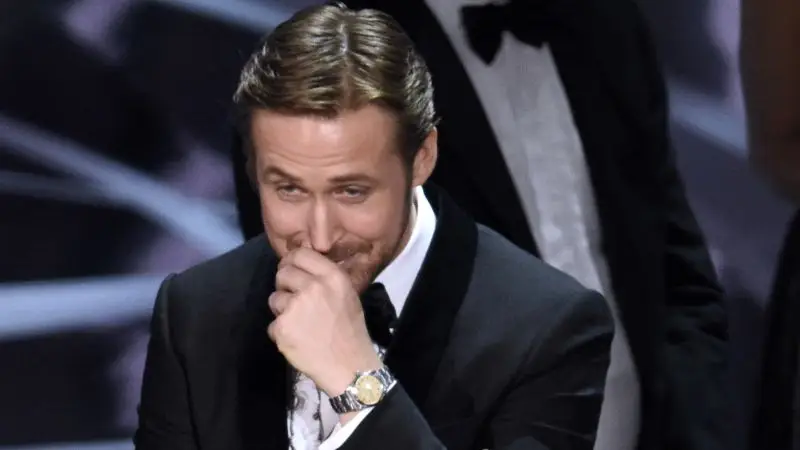
    Amid the shock, one image stood out: Ryan Gosling, seated among the La La Land cast, visibly trying—and failing—to suppress laughter. Why did he react that way? What was going through his mind? And how has that reaction since become part of the mythology of that night?

    Let’s rewind, revisit, and reflect.


    Setting the Stage: Oscars 2017, La La Land, and Moonlight

    The 89th Academy Awards took place on February 26, 2017, at the Dolby Theatre in Hollywood, hosted by Jimmy Kimmel. Wikipedia The year was already notable: La La Land, the modern musical with Ryan Gosling and Emma Stone, had tied the all-time record for Oscar nominations (14) and was considered a strong favorite for many major awards. Wikipedia+2Wikipedia+2 Meanwhile, Moonlight, a smaller, deeply human drama, had earned serious critical acclaim and was in strong Oscar conversations as well. Wikipedia+2Wikipedia+2

    That night, La La Land won six Oscars overall, including Best Director, Best Actress, Best Original Score, Best Original Song, Best Cinematography, and Best Production Design. Wikipedia+2Wikipedia+2 But the biggest prize, Best Picture, was initially and mistakenly called as La La Land — an error that would become one of the most talked-about moments in awards show history. Wikipedia+4Pitchfork+4Wikipedia+4

    When presenters Warren Beatty and Faye Dunaway opened the envelope and declared La La Land the winner, confusion rippled through the audience. But soon, as acceptance speeches began, crew members rushed the stage. It became evident that the wrong envelope had been given, and in short order, the producers of La La Land were told the real winner was Moonlight. Wikipedia+2Pitchfork+2

    Jordan Horowitz, one of the La La Land producers, famously intervened mid-speech: “I’m sorry, there’s been a mistake.” He then held up the correct card that read Moonlight. Wikipedia+2Pitchfork+2 The audience, stunned, watched as Moonlight’s team hurriedly mounted the stage to accept their award. WIRED+2Wikipedia+2

    The sequence of events was chaotic, emotional, and dramatic — a perfect storm of human error, high stakes, and televised spectacle. And in the eye of that storm sat Ryan Gosling, trying to process it all.


    Ryan Gosling’s Reaction: Why He Laughed

    Photos and video from the moment show Gosling with a mixture of disbelief and confusion. Mid-gag, he’s seen covering his mouth, trying to compose himself, while others around him seem stunned, anxious, or speechless. That reaction quickly became a viral image, sparking memes, commentary, and curiosity.

    Over time, Gosling offered his own explanation for that laughter — and it wasn’t mockery or smug triumph. According to interviews, what he experienced was a swirl of panic, relief, and raw emotional release.

    As he told The Guardian and others:

    “I was watching people start to have this panicked reaction in the crowd… guys were coming on with headsets and I felt like someone had been hurt.” The Guardian+1
    “I thought there was some kind of medical situation, and I had this worst-case scenario playing out in my head.” The Guardian+1
    “And then I just heard Moonlight won and I was so relieved that I started laughing.” The Guardian+2Variety+2

    In other words: in the span of seconds, he shifted from fear (something was gravely wrong) to relief (no one was hurt, and the real winner was being acknowledged). That emotional pivot triggered the laughter.

    He also insisted he had no ill will toward the night’s outcome, saying:

    “Truthfully, I was also so thrilled that Moonlight won. It’s such a groundbreaking film… I’m so happy for them that they were being recognized.” The Guardian+1

    Even in that moment of bewilderment, Gosling’s reaction carried a level of respect, humility, and emotional authenticity.


    The Layers Behind That Laugh

    Gosling’s laughter resonated so powerfully in part because it felt human. In a room full of polished celebrities and high production values, here was someone visibly unraveling — uncertain, emotional, vulnerable. That contrast made the moment hauntingly real.

    Let’s unpack what makes that reaction especially potent:

    1. Relief Amid Uncertainty

    In a high-stakes situation like the Oscars, where expectations run high and reputations are on the line, anything abnormal can feel catastrophic. For Gosling, the sudden scramble (crew rushing, presenters confused) looked like an emergency. When he realized it was a procedural mess, not a collision or medical crisis, the release was visceral.

    2. Empathy for the Moment

    Everyone in that room — from the La La Land team to the presenters and the Moonlight creatives — was under intense pressure. Gosling’s laugh, rather than insinuating triumph, signaled recognition of how overwhelming and absurd the moment was for everyone.

    3. Acknowledgment of What Should Be

    Gosling’s reaction also subtly reflects his understanding: Moonlight deserved the award. His delight for their win, expressed in interviews, suggests his laughter was not gloating but genuine emotional release — in part because things ended more fairly than they had begun. The Guardian+1

    4. Vulnerability in Performance

    Actors, especially ones as practiced and poised as Gosling, are adept at masking raw emotion. That night, though, the curtain briefly slipped. It reaffirmed that even celebrity images can fracture under pressure — and sometimes the authentic reaction is the one people remember the most.


    How That Moment Redefined a Night

    The La La Land/Moonlight mix-up was already destined for Oscar lore. But Gosling’s laugh became a visual anchor — a reminder that for all the glamour, humans were at the center of this spectacle.

    That moment has been revisited in retrospectives, awards show memes, Instagram posts, and pop culture essays. It’s also often used as shorthand to show how unpredictable live TV, high emotion, and human error can collide.

    That said, Gosling’s reaction didn’t overshadow the real story — Moonlight’s win, or the conversation about representation, storytelling, and recognition in Hollywood. If anything, his laughter humanizes the event, reminding us that even stars grapple with confusion, embarrassment, and release.


    Why That Laugh Still Matters

    Several years later, the image of Gosling suppressing laughter remains so striking because it captures so much:

    • A moment of emotional truth: Rather than a rehearsed reaction, it feels spontaneous and unguarded.
    • Contrast to the polished veneer: Awards shows are meticulously produced. This was a flaw — and it became the most unfiltered moment of the night.
    • A reminder of what awards can’t contain: No matter how tightly scripted, events with humans in them can unravel.
    • Legacy and conversation starter: The fallibility of the Oscars, the gravity of recognition, and the humanity of artists are all underscored in that laughter.

    Behind the Scenes: Errors, Accountability, and Aftermath

    To understand fully why the mistake happened, and how the actors and Academy handled it, it helps to revisit the circumstances.

    The root cause: the presenters were handed the wrong envelope — they opened Emma Stone’s Best Actress winner card instead of the Best Picture card. The Guardian+5Pitchfork+5WIRED+5 That error triggered confusion, hesitation from Warren Beatty (who paused significantly before calling La La Land), and ultimately chaos. Wikipedia+5Wikipedia+5WIRED+5

    When it became clear something was wrong, the La La Land team had already begun giving acceptance speeches. Oscar crew members and production staff rushed the stage, took the envelopes, and the error was corrected. Wikipedia+3Wikipedia+3WIRED+3 Jordan Horowitz’s assertion — “there’s been a mistake” — and his on-camera reveal of the correct card have become defining moments of the mishap. Wikipedia+2WIRED+2

    PricewaterhouseCoopers (PwC), the accounting firm responsible for tallying Oscars results and handling the envelopes, issued an apology. Their partners involved — Brian Cullinan and Martha Ruiz — were barred from involvement in future Oscars ceremonies. Wikipedia+3Pitchfork+3WIRED+3

    In the wake of the incident, many called for stricter protocols, redundancies in presentation, and public awareness of how small missteps can cascade into large spectacle. The Academy and production teams largely took the fall, and the night is often cited as a cautionary tale in live television production.


    A Lasting Legacy: Laughs, Awards, and Memory

    Years later, when people reference the “night La La Land almost won Best Picture,” often the first mental image isn’t the award card or the speeches — it’s Gosling’s smile, his hands covering his face, the tension in his composure. That laugh encapsulates disbelief, restlessness, and humanity all at once.

    What we can take away:

    • Spectacle and humanity intertwine. No matter the glitz, real emotions can dismantle perfect facades.
    • Acknowledgment of truth matters. In a night of confusion, the right film was eventually honored — and that rescue matters.
    • Sometimes authenticity is in the small moments. Big awards, big speeches — but the moments people remember often come in between.

    So yes — Ryan Gosling’s laughter was more than a reaction in that instant. It became a symbol: of pressure, of the fragility of performance, and of how the best stories sometimes emerge in the unplanned breaks.

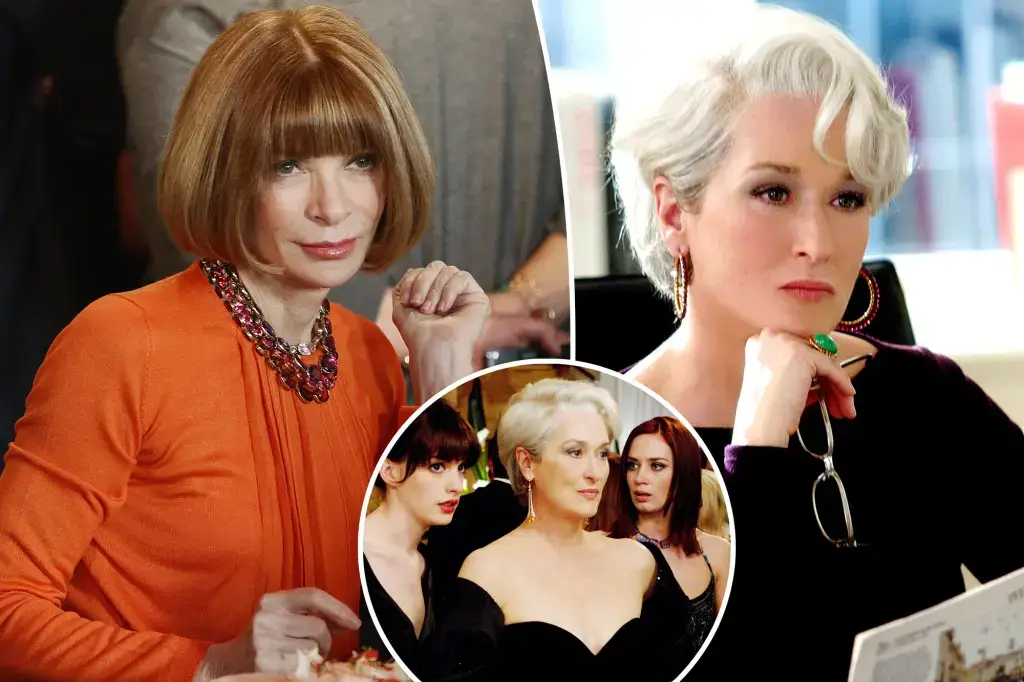
  • Anna Wintour Admits She Found The Devil Wears Prada “Highly Enjoyable” — and Actually Funny

    Anna Wintour Admits She Found The Devil Wears Prada “Highly Enjoyable” — and Actually Funny

    When The Devil Wears Prada premiered in 2006, it didn’t just capture the imagination of moviegoers—it also prompted countless comparisons to Vogue’s legendary editor-in-chief, Anna Wintour. For years, Wintour remained mostly silent or circumspect about how she felt about the film’s portrayal of a high-powered magazine world. But in a recent public discussion, the 75-year-old fashion icon surprised many by admitting she enjoyed the film—and found it genuinely funny.


    The Context: Fiction, Inspiration, and the Burden of Comparison

    To understand why Wintour’s remarks are notable, we need to revisit the story behind The Devil Wears Prada. The film is based on Lauren Weisberger’s 2003 novel of the same name, which itself was widely interpreted as drawing from Weisberger’s experience as an assistant (or former assistant) in the fashion magazine world. While Weisberger has said the book was not a direct memoir and that she drew from multiple influences, readers immediately associated the cold, demanding editor Miranda Priestly with Wintour. SlashFilm+3Wikipedia+3Wikipedia+3

    When the film adaptation was released, its depiction of the ruthless but glamorous magazine industry—along with Meryl Streep’s unforgettable performance—cemented The Devil Wears Prada as a cultural touchstone. Still, for Wintour, whose public persona is often seen as austere and distant, the film posed a delicate question: Would she embrace it, reject it, or remain guarded?

    Over the years, she often gave noncommittal responses. In earlier interviews, Wintour called the movie “entertainment” and said it was “not a true rendition of what happens within this magazine.” SlashFilm+2British Vogue+2 She declined to explicitly confirm whether she shared traits with Miranda Priestly, remarking that such judgments are for “the audience and the people I work with” to decide. People.com+1


    Wintour’s Surprising Take: “Highly Enjoyable,” “Very Funny,” and a Fair Shot

    In a new revelation, Wintour broke her long silence and openly shared how she now views the film. In a recent episode of The Run-Through with Vogue podcast (via The New Yorker Radio Hour), she reflected on her reactions to the movie—with a tone of genuine amusement and acceptance. The Guardian+2People.com+2

    Wintour confessed that she walked into the film’s premiere “wearing Prada, completely having no idea what the film was going to be about.” People.com+1 She acknowledged concerns from insiders in the fashion world that the film might portray her harshly or unfairly. But rather than bristle, she said:

    “I found it highly enjoyable and very funny.” The Guardian+2People.com+2
    “It had a lot of humor. It had a lot of wit. It had Meryl Streep … and I, in the end, I thought it was a fair shot.” People.com+2Cinemablend+2

    She also noted that she frequently discusses the film with Prada designer Miuccia Prada, quipping, “I say to her: ‘Well, it was really good for you.’” The Guardian+1

    By calling it a “fair shot,” Wintour concedes that while the film is exaggerated and stylized, it captures enough truth—through performance, tone, or broader sentiment—to merit respect. Her choice of words is telling: she doesn’t reject the portrayal outright but frames it as a somewhat caricatured but artful version of the fashion world’s extremes.


    Why Her Reaction Matters

    For decades, Wintour cultivated a mystique. Her signature bob, dark sunglasses, and carefully metered public persona made her both venerated and intangible. To many, she embodied the real-life basis for Miranda—impenetrable, commanding, aloof. Wikipedia+2British Vogue+2 By contrast, The Devil Wears Prada gave viewers a dramatic, often brutal, inside look at the pressures, power plays, and relationships in fashion.

    Wintour’s decision to embrace the film (rather than dismiss or distance from it) subtly shifts the narrative. Here are a few reasons why her stance carries weight:

    • It humanizes her. Accepting humor directed at one’s self is a sign of confidence. Instead of recoiling at caricature, Wintour acknowledges it with grace.
    • It lends legitimacy to the film’s ambition. Calling the movie “very funny” and “a fair shot” affirms that it wasn’t merely a sensationalist takedown but a thoughtful, satirical representation.
    • It rewires public perception. For critics or fans who once dismissed the film as glib or unfair, Wintour’s verdict undermines that stance.
    • It dampens illusions. Wintour has long been cast as the untouchable fashion queen. Her comments suggest she sees more nuance behind the glare.

    Did the Film Hit Too Close to Home?

    Naturally, many wondered whether the film’s portraits stung—even slightly—for Wintour. After all, Miranda Priestly is a demanding, often merciless boss. Did she ever feel mischaracterized or hurt?

    In past interviews, Wintour maintained distance. She once remarked that she doesn’t always make “warm and cuddly” decisions, and sometimes colleagues don’t hear the answer they’d like—but that’s part of leadership. The Tab In an earlier British Vogue piece, she was described as “bemused” by the film rather than angered. SlashFilm+1 In Anna: The Biography, author Amy Odell recounts that Wintour initially told a Vogue editor she didn’t remember the author of the novel—a remark that seems more dismissive than defensive. SlashFilm

    What stands out now is that Wintour no longer seems compelled to guard her reputation so carefully. By choosing to applaud The Devil Wears Prada as an entertaining, witty depiction—while acknowledging its caricature—she signals a comfort with self-reflection few maintain in public life.


    The Impact on the Film’s Legacy

    Since its release, The Devil Wears Prada has become more than just a fashion comedy-drama; it’s a cultural touchstone, a shorthand for workplace power dynamics, ambition, identity, and compromise. In the years since, it’s been cited in articles about corporate culture, women in leadership, and the sacrifices demanded in high-stakes creative industries.

    Wintour’s new commentary cements the film’s legitimacy—and it may shift how future audiences interpret it. Instead of seeing it solely as a pointed critique, one might see it as a stylized satire with its own merits, intentionally exaggerated yet grounded in kernels of truth.

    Her remarks may also encourage others in her world—fashion insiders, journalists, executives—to be more open about how art depicts them, whether in admiration, critique, or parody. In effect, Wintour’s open-minded reaction may embolden more honest dialogue between real-life subjects and their fictional representations.


    What Wintour’s Reaction Tells Us (and What It Doesn’t)

    What it reveals:

    1. A sense of humor. Her delight in its wit shows that she can step back from her own mythos and appreciate the artistry of others.
    2. Perspective and resilience. She frames The Devil Wears Prada as a film, not a threat, and doesn’t seem rattled by its barbs.
    3. Confidence in her legacy. By not insisting the portrayal be “correct,” she implies she already owns her narrative.
    4. A willingness to engage. Her participation in this recent interview signals a shift from guarded to more open expressions.

    What it doesn’t settle:

    • Exact similarities. She still leaves comparisons between her and Miranda Priestly to others to judge. People.com+1
    • All past feelings. It’s unclear what she might have thought privately when the film first came out or when the novel circulated.
    • Any personal offense. While she frames the film kindly, she doesn’t explicitly say she was never hurt—it’s more that she’s unconcerned now.

    A Final Word: She Wears Prada, But She Took the Joke

    It’s ironic—and revealing—that the woman long associated with an icy, untouchable image now embraces a film that caricatured such traits. By calling The Devil Wears Prada “highly enjoyable” and “very funny,” Anna Wintour demonstrates a rare ability for self-distance, a mark of maturity and public grace.

    Wintour’s stance may not reconcile every criticism, but it reframes the conversation. Rather than a defensive posture against caricature, she offers a disarming wink: Yes, you can laugh. And maybe there’s more than a little truth in the joke.

  • Celebrity Puzzle Pieces: When Everything Doesn’t Fit

    Celebrity Puzzle Pieces: When Everything Doesn’t Fit

    Darling, celebrities are a lot like puzzle pieces — each event, performance, or outfit should fit neatly into the big picture of their public persona. But lately, it feels like some of them have lost the box lid, and we’re left staring at mismatched shapes wondering, what even is going on?

    This is where I, Karen — your unfiltered fashion, gossip, and life critic — come in. I’m here to dissect two of the most puzzling celebrity phenomena of 2025: Kanye West’s Sunday Service concerts and Taylor Swift’s Eras tour. These spectacles are like glitter-coated puzzle pieces shoved into boxes they don’t belong to. Sweetie, grab your monocle and let’s take a look.


    Kanye West’s ‘Sunday Service’ Concert: Gospel Meets Chaos

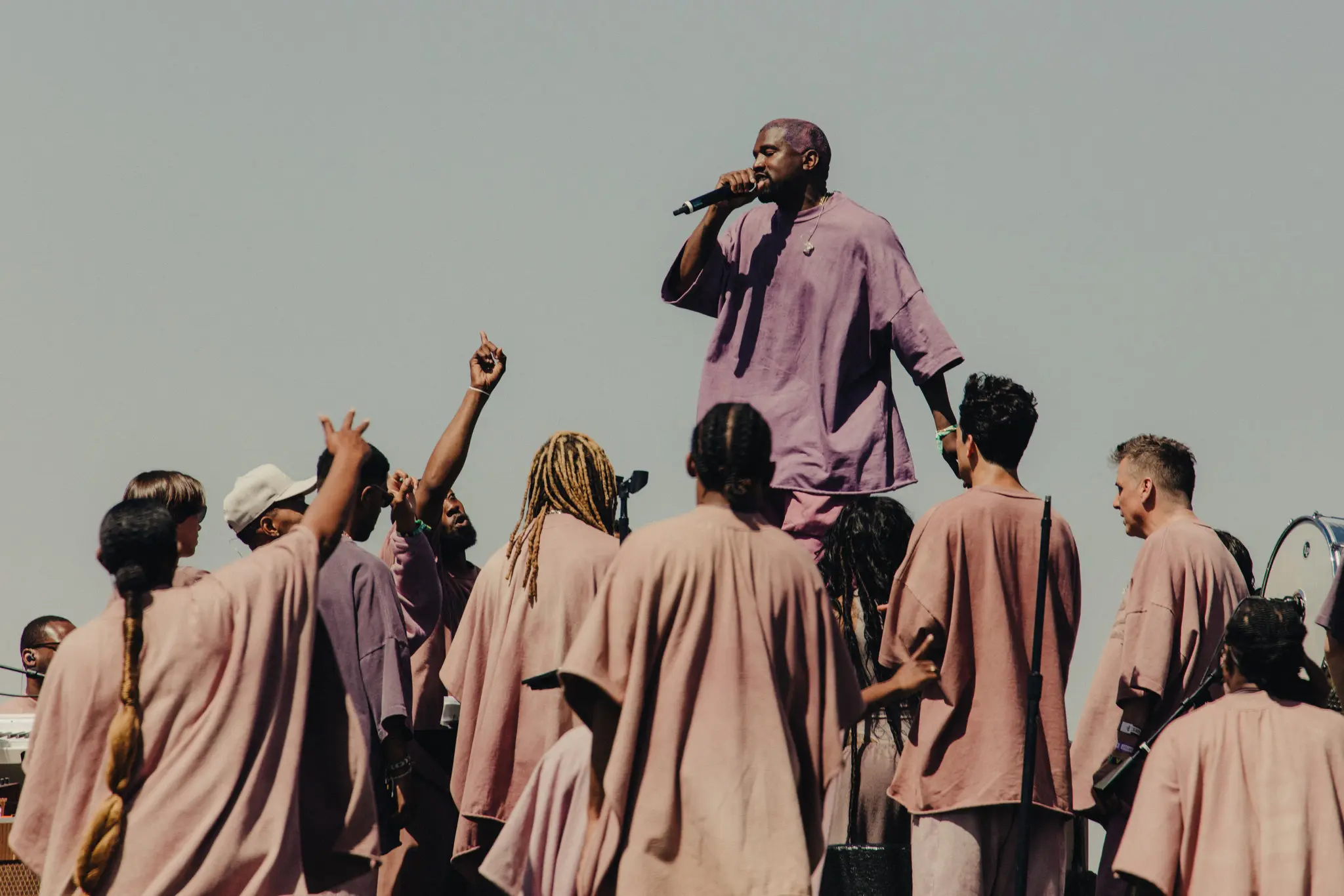
    Kanye West’s Sunday Service concerts have become infamous, darling. They are part spiritual revival, part Kanye theater, and part chaotic spectacle. He took what should be a religious experience and turned it into a multi-hour production — complete with choir singers, gospel renditions of his own hits, and Kanye himself acting like a cross between Moses and the world’s most dramatic MC.

    The Background

    Launched in January 2019, Sunday Service was Kanye’s attempt to merge music, faith, and community. By 2025, it had evolved into something that defies easy description. These events have been hosted in locations from Coachella to the Coachella desert to stadiums that rival Madison Square Garden. But the spectacle has left audiences scratching their heads.

    Public Reception

    The response has been mixed, darling. Some attendees call it “a spiritual awakening” — others call it “a very expensive church service with questionable theology.” Critics argue that it’s more spectacle than substance, while fans swear it’s transformative. But Karen? I’m less convinced.

    Karen’s Take

    “Sweetie, if I wanted to see a spectacle, I’d go to a circus,” I said after watching the last performance streamed online. And it’s true. Kanye’s Sunday Service feels less like a unified piece of art and more like a variety show where the pieces don’t quite match.

    From a Karen standpoint, Kanye’s concerts are like ordering a salad and getting dessert, a magic show, and a TED Talk all in one plate — and not in a good way. His blending of gospel with rap and his tendency to deliver impromptu monologues leaves some feeling inspired, but others simply confused.

    The Puzzle Problem

    The question is: should Sunday Service be a religious experience, a concert, or a celebrity stunt? Kanye seems to want it all, but that’s like trying to fit a square peg into a round hole. And when the spectacle overshadows the soul of the event, darling, it’s no longer harmonious — it’s a mismatched puzzle piece.

    Karen’s advice? “Kanye, pick a lane, sweetie. Gospel deserves reverence. If you want a spectacle, go headline a circus tent. But don’t try to do both at once.”


    Taylor Swift’s ‘Eras’ Tour: Nostalgia Meets Commercialism

    Now let’s talk about another puzzler: Taylor Swift’s Eras tour. If Kanye’s service is a chaotic gospel puzzle, Taylor’s tour is nostalgia with a side of commercial overload. And yes, darling, Karen has thoughts.

    The Background

    The Eras tour is Taylor Swift’s ambitious retrospective, designed to celebrate her musical evolution from country sweetheart to pop icon. It spans her entire career, with elaborate stage designs, costume changes, and hours of performance. Fans gush, critics debate, and the internet explodes with discussion.

    Public Reception

    Many have applauded Taylor for crafting a masterclass in live performance and fan engagement. But others question whether the Eras tour is more about nostalgia than artistry. Some accuse it of being a meticulously packaged commercial event — and Karen tends to agree.

    Karen’s Take

    “Darling, if I wanted to relive the past, I’d watch reruns of Friends, not a concert,” I say with my usual sharpness. Taylor’s tour is dazzling, yes. But the spectacle comes with a hefty price tag — and plenty of merch.

    While her fans swoon over costume changes and setlist surprises, Karen notices that it feels like a puzzle where some pieces are missing. There’s beauty, but there’s also a calculated marketing machine at work. It makes you wonder whether the Eras tour is more about artistry or about selling another wave of merch, deluxe editions, and VIP experiences.

    The Puzzle Problem

    Taylor’s show is a blend of art and nostalgia, but the commercial element makes it tricky. It’s like trying to fit together puzzle pieces from different boxes: the music and emotional storytelling belong to one puzzle, but the merch and ticket packages belong to another. And sometimes they just don’t match.

    Karen’s advice to Taylor? “Sweetie, nostalgia is powerful — but don’t let the commercial glitz overshadow the music. Stick to the art, and the puzzle will fit.”


    The Bigger Picture: Celebrities and Puzzle Pieces

    These two examples — Kanye’s Sunday Service and Taylor’s Eras tour — illustrate something important about modern celebrity culture: events are increasingly becoming mismatched puzzle pieces. Celebrities want spectacle, spirituality, nostalgia, artistry, and profit all in one package. But the truth is, darling, not every piece belongs in the same puzzle.

    Karen believes that art, performance, and celebrity culture can be beautiful when each piece has its place. When the pieces clash, however, it leaves us with confusion instead of awe. And that’s exactly what we’ve seen in recent years.


    Closing Thoughts from Karen

    Darling, the celebrity puzzle is complicated, and not every piece fits neatly. Kanye’s Sunday Service is a spectacle without clear boundaries. Taylor Swift’s Eras tour is a dazzling nostalgia trip tangled with commercial ambition. Both are ambitious — and both leave Karen shaking her head.

    Sometimes, sweetie, less is more. And in the puzzle of celebrity culture, a missing piece might just be good taste.

  • Darling, This Isn’t Fashion — It’s a Tragedy: A Karen’s Take on the Latest Red Carpet Disasters

    Darling, This Isn’t Fashion — It’s a Tragedy: A Karen’s Take on the Latest Red Carpet Disasters

    Oh, sweetie, what happened to the days when celebrities graced the red carpet with elegance and poise? Now, it seems like the goal is to shock and confuse. As your self-appointed fashion critic, I’m here to guide you through the most bewildering fashion choices of 2025. Buckle up, darling; it’s going to be a bumpy ride.


    The Rise of Red Carpet Ridiculousness

    Once upon a time, the red carpet was a place where elegance reigned supreme. Grace, poise, and a gown that made you gasp. Now? It’s a free-for-all of fabric experiments that look like leftover costumes from a school play gone wrong.


    Karen’s Hall of Fame: Red Carpet Offenders

    1. The “What Even Is That?” Award

    Nothing says “I’m trying too hard” like wearing something that looks like it was designed during a sleepwalking session. If your dress requires a Pinterest tutorial to understand, darling, you’ve already lost.

    Example: Celebrity Y at the Glam Awards — a neon ensemble shaped like… I don’t know… a jellyfish? Karen says: “Speak to your designer, darling. Or better yet, your manager.”

    2. The “Show Me More Skin” Award

    Yes, sweetie, revealing gowns are a thing — but there’s a line. Some celebs are crossing it faster than you can say “wardrobe malfunction.” A slit that goes to your belly button? Darling, we don’t need to see everything. This is a red carpet, not a beach.

    Example: Celebrity Z — a dress so revealing it could cause a medical emergency. Karen says: “Put some fabric on that bod and call it a day.”

    3. The “I Didn’t Read the Dress Code” Award

    Some gowns just scream “I didn’t read the memo.” Floor-length velvet at a casual movie premiere? Darling, what are you even thinking? It’s not a coronation — it’s a publicity stunt.

    Karen says: “A dress code isn’t optional. It’s polite.”


    The “Back in My Day” Moment

    Back in my day, a dress was a dress. No feathers, no glitter explosions, no avant-garde “what the heck am I wearing?” moments. A gown was about sophistication, not shock value. But these days, darling, sophistication seems to have gone missing, possibly hiding under a pile of fabric scraps.


    Karen’s Fashion Advice for Celebrities

    If I had the honor of whispering into your stylist’s ear before a big event, here’s what I’d say:

    1. Know your audience — If it’s a movie premiere, elegance wins. Save the glitter explosions for… glitter balls.
    2. Comfort matters — If you can’t walk without tripping over your gown, honey, it’s not a look, it’s a liability.
    3. Stick to timeless classics — Black, gold, or deep jewel tones never go out of style. Unless your goal is to be the punchline of the evening.
    4. Less is more — Over-accessorizing is a crime. Sparkle should whisper, not scream.

    A Few Recent Red Carpet Disasters (That Karen Couldn’t Ignore)

    Here’s a roundup of outfits that made Karen clutch her pearls this season.

    The Glitter Gown Gone Wrong

    One star showed up in what appeared to be a disco ball nightmare. It was glitter, glitter everywhere — and not a hint of elegance. Karen says: “Darling, there is such a thing as too much shine. That’s called a fashion crime.”

    The Curtain Call

    Another celebrity arrived in an outfit that looked suspiciously like drapes from a 1970s living room. Karen says: “We’re here for fashion, not interior design.”

    The Over-The-Top Slit

    And then there was the gown with a slit so high, I needed a passport to see it all. Karen says: “Honey, modesty isn’t dead. It’s just hiding somewhere under that fabric.”


    The Karen Perspective: Why We Need Fashion Critique

    Fashion critique is essential, darling. Without it, we end up with an unending parade of chaos masquerading as style. My naggy perspective is here to keep celebrities grounded — and remind them that sometimes, the best accessory is good taste.


    Closing Thoughts from Karen

    Darling, fashion is an art — but it’s also a conversation. And right now, that conversation is dominated by questionable fabric choices and outfits that leave us asking: “Why, dear, why?”

    This is why I, Karen, exist. To speak the uncomfortable truth. To critique with sass and style. And to remind the world that elegance never goes out of fashion.

    So, next time you’re preparing for the red carpet, remember: speak to your manager. And your stylist. Preferably both.

    Because darling… this isn’t fashion. It’s a tragedy.