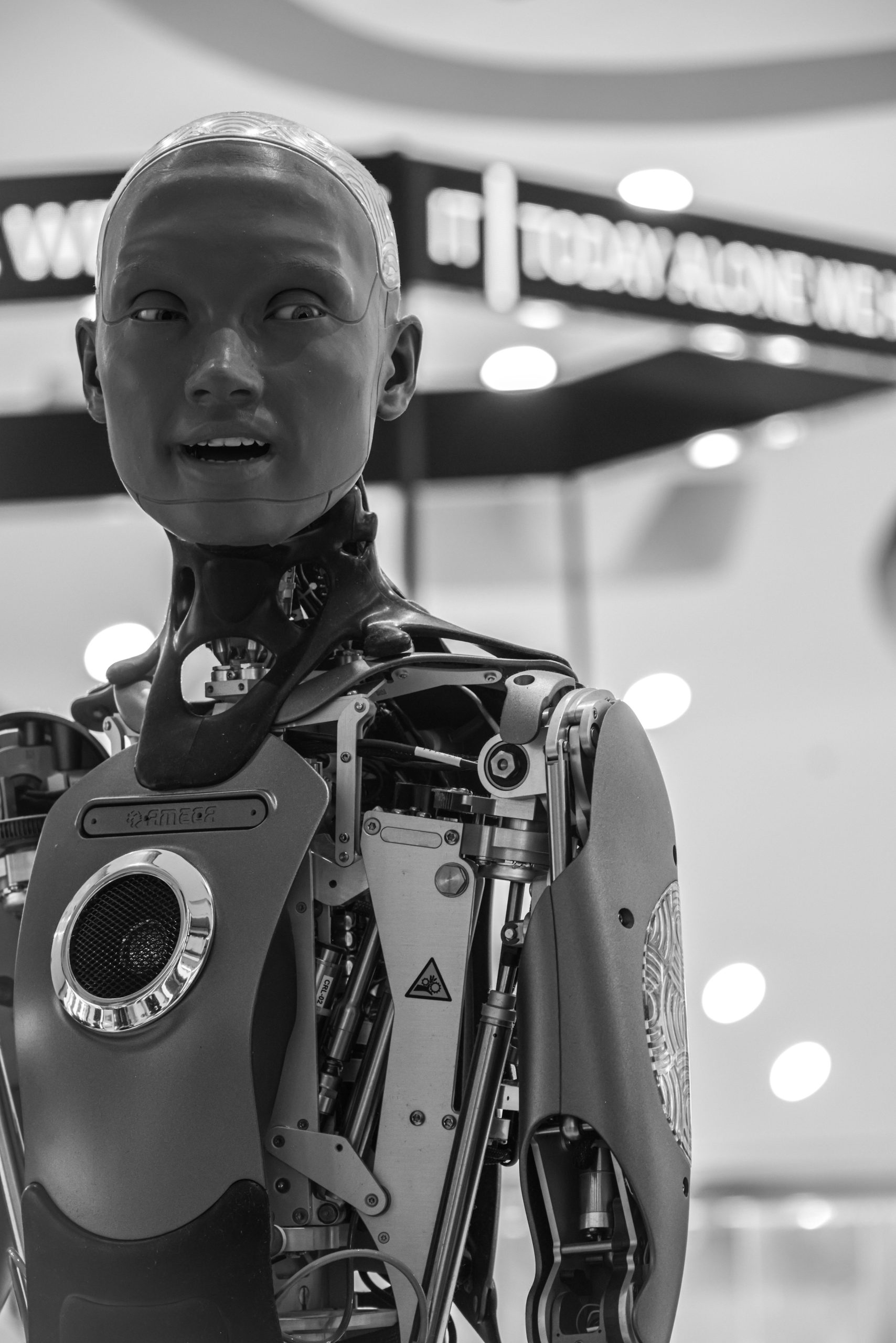
In 2026, debates about AI in creativity have settled into a familiar rhythm: something new appears, it looks impressive, it spreads fast, and then the argument about whether it is “real” or “authentic” immediately returns. Online outrage around AI doesn’t build slowly anymore—it spikes instantly, often before most people even agree on what exactly they’re reacting to.
The center of the conflict is authenticity. As AI-generated music, images, writing, and even performances become more convincing, the question stops being about quality and starts becoming about origin. People aren’t just asking “does this look good?” They’re asking “was this made by a person?” And increasingly, that answer is not always clear or visible.
That uncertainty is what triggers the cycle. One group sees AI tools as a natural extension of creative evolution—another sees them as a threat to human expression. Both sides react quickly because the stakes feel cultural, not just technical. What’s being debated is not only how art is made, but what counts as art at all.
The outrage spikes when boundaries feel blurred. If a song sounds emotionally real but is partially or fully generated, reactions split immediately: admiration for the output, versus discomfort about the process behind it. The same piece of content can be experienced as innovation by some and inauthenticity by others.
Platforms intensify this divide. Content that provokes strong emotional reactions—especially suspicion, disbelief, or moral concern—spreads faster than neutral explanation. As a result, early interpretations of AI-related content often set the tone for the entire discussion before context or clarification catches up.
At the same time, misinformation and ambiguity play a role. AI-generated content can be difficult to identify, and not all disclosures are consistent. This lack of clarity fuels speculation, which then feeds into broader arguments about trust in digital media. When people can’t easily tell what is human-made, certainty becomes the thing they defend most strongly.
What makes these cycles feel repetitive is that they don’t fully resolve. Each new advancement in AI doesn’t replace the previous debate—it reactivates it. The arguments are similar, but the context shifts slightly, creating the sense that the internet is “fighting about AI again,” even though it never really stopped.
There is also a deeper emotional layer. For many people, authenticity is tied to value—not just in art, but in meaning. If something can be generated without lived experience, some feel it changes how they relate to it emotionally. Others argue that emotional impact is what matters, regardless of origin. That disagreement is not easily settled because it is philosophical, not technical.
Ultimately, “Why Everyone Is Fighting About AI Again” reflects a broader pattern in 2026: technological change moves faster than cultural agreement. And in that gap, outrage becomes the default way people try to define what is real, what is valuable, and what still belongs to human creativity.