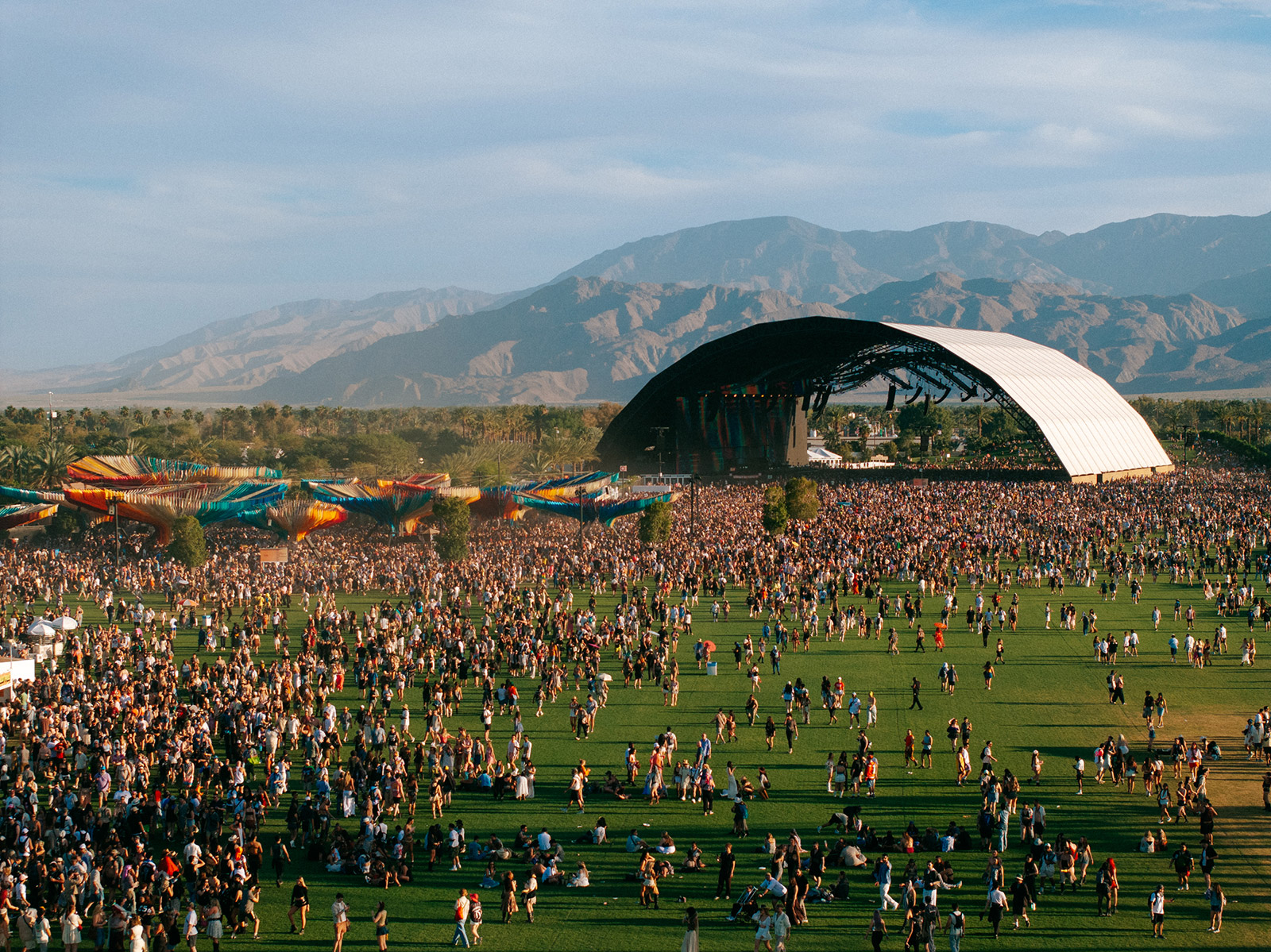
Outrage culture in 2026 doesn’t build slowly anymore—it spikes, peaks, and fragments within hours. At events like the Coachella Valley Music and Arts Festival, the pattern has become predictable: a moment happens, interpretation spreads instantly, and within a single day, the internet has already moved through multiple emotional cycles—excitement, criticism, satire, and backlash—all before any official narrative can fully form.
What makes this cycle so intense is speed without consolidation. In earlier digital eras, public opinion had time to stabilize around a dominant perspective. Now, there is no single “main” reaction. Instead, there are dozens of parallel interpretations competing at once. One group is celebrating a performance, another is dissecting a fashion choice, another is debating intent, and another is already reacting to the reaction itself. The result is not consensus—it’s fragmentation at scale.
The presence of high-profile figures like Madonna only accelerates this dynamic. Legacy visibility amplifies attention, but it also increases interpretive conflict. Every appearance, outfit, or interaction becomes a signal that different audiences read in completely different ways. That divergence fuels rapid-fire discourse where disagreement is not a side effect—it’s the engine.
At the same time, platforms reward emotional immediacy. Strong reactions—whether positive or negative—travel faster than nuanced takes. This encourages users to respond quickly rather than reflect, which compresses the timeline of outrage even further. A single clip can move through admiration, criticism, irony, and backlash within a matter of hours, each stage driven by different segments of the audience engaging at different times.
What’s changed most is the lifecycle of attention. Outrage no longer sustains itself over days or weeks; it burns hotter and shorter. The peak arrives quickly, often within the same day, and then begins to decay just as fast as new topics emerge. But while the intensity is brief, the volume is high enough that it creates the illusion of prolonged cultural conflict. In reality, it’s a series of rapid, overlapping spikes rather than a single sustained conversation.
This is especially visible around cultural events like Coachella, where multiple narratives compete simultaneously. A performance might trigger aesthetic debate, logistical criticism, fan celebration, and meme culture all at once. Each layer operates independently but overlaps in the same digital space, creating a sense of constant commentary even as individual threads fade quickly.
Ultimately, the modern outrage cycle is less about sustained disagreement and more about accelerated reaction. Everyone has an opinion, but few of those opinions last long enough to settle into consensus. In 2026, cultural moments don’t just generate conversation—they generate waves of reaction that rise fast, collide briefly, and disappear just as quickly, leaving behind fragments rather than conclusions.
Leave a Reply