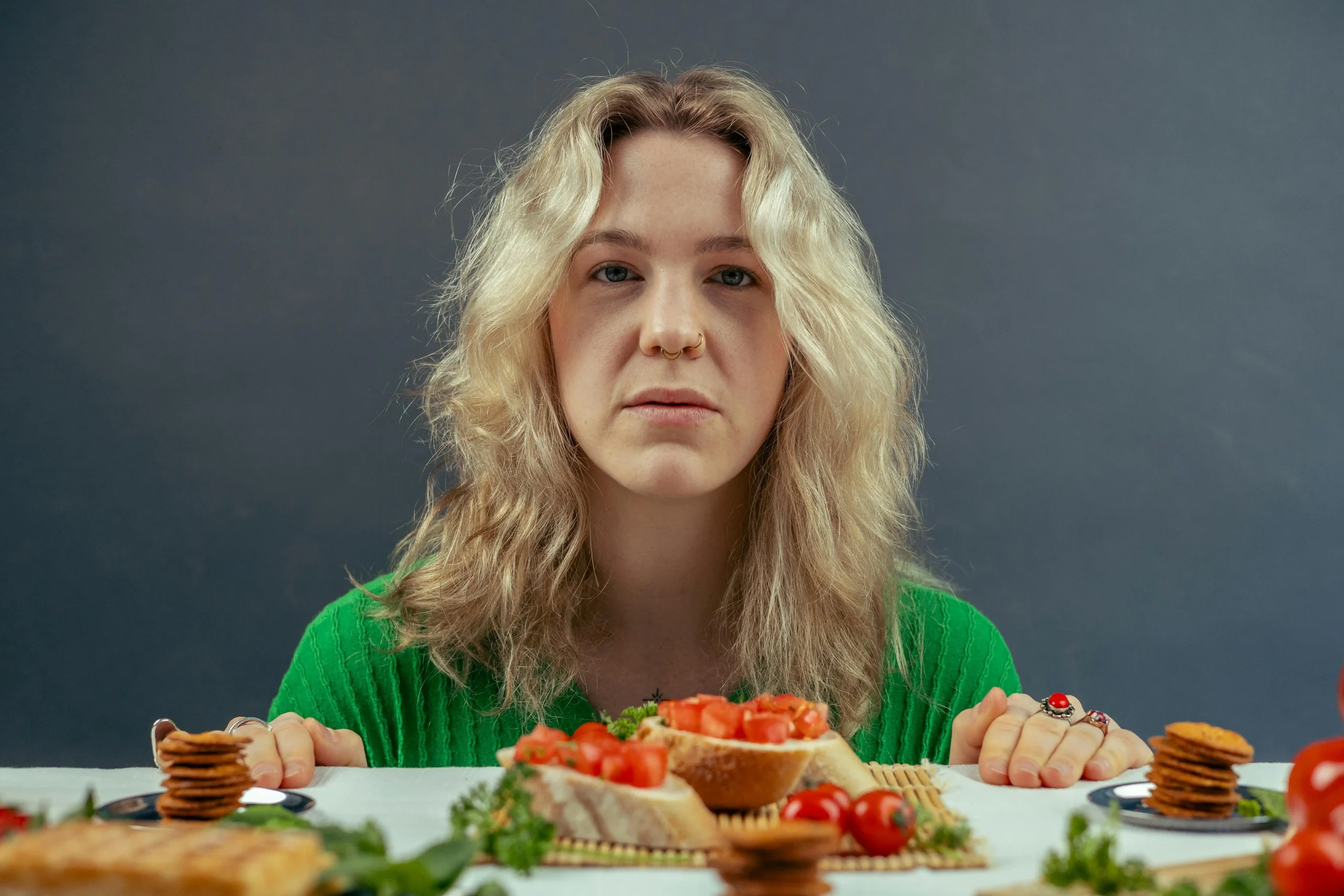
A Comedic, Naggy-Auntie Guide to the Deconstructed Food Trend Taking Over Restaurants
I Just Wanted Lunch, Not a Puzzle
Somewhere along the way, restaurants decided food was too… functional.
You used to order a burger. You got a burger. You ate it. You lived your life.
Now? You order a burger and receive:
- a single lonely bun half
- three micro beef spheres
- a smear of “house sauce concept”
- fries arranged like modern art confusion
- and a waiter telling you, “It’s deconstructed.”
Excuse me? Deconstructed what? My patience?
As someone who simply wanted to eat without attending a philosophy seminar, I have concerns. Many concerns. And today, I will be airing them with the dignity of someone who has seen too much and still expects a proper sandwich.
Welcome to the world of deconstructed food trends, where nothing is safe, everything is scattered, and apparently assembling your own meal is part of the dining experience.
What Does “Deconstructed Food” Even Mean?
Let’s break this down—preferably not into individual edible components scattered across a plate like evidence.
In modern culinary trends, deconstructed food means taking a traditional dish and separating all its elements. Instead of serving it fully assembled, chefs present ingredients individually, artistically arranged, and often emotionally distant.
For example:
- Deconstructed cheesecake = crumbs, cream, and sadness served separately
- Deconstructed sushi = rice here, fish there, regret everywhere
- Deconstructed salad = lettuce staring at you from across the plate like it’s mad
The idea is supposed to be “elevated dining.”
But from where I’m sitting, it looks like the food gave up halfway through becoming food.
The Rise of the “Modern Art You Can Eat” Restaurant Trend
Somewhere between Instagram and chef interviews, food became less about eating and more about performing tastefulness.
Restaurants now serve dishes that feel like they should come with a museum label:
“Untitled Dish No. 4 (2026) – Chef’s Exploration of Isolation and Olive Oil Foam”
And I’m just sitting there thinking: where is the fork, and why is everything so emotionally complicated?
This trend thrives in what food critics call modern plating aesthetics, where:
- negative space is more important than portion size
- sauces are “painted” instead of poured
- and diners are expected to “experience” the dish instead of simply eating it
Experience what exactly? Hunger?
The Psychological Damage of Receiving Disassembled Food
Let’s be honest: there is a moment of confusion when a deconstructed dish arrives.
You stare at it. It stares back. Neither of you knows what’s happening.
Your brain asks:
- Is this complete?
- Did they forget something?
- Am I supposed to build this like IKEA furniture?
- Is the fork also deconstructed?
This is not dining. This is problem-solving.
And I did not come to a restaurant to activate my inner engineer.
Why Chefs Say They Do It (And Why I Am Skeptical)
According to culinary innovators, deconstructed food is about:
- highlighting individual flavors
- giving diners “creative freedom”
- modernizing traditional dishes
- enhancing sensory appreciation
Very nice. Very poetic. Very unnecessary.
Because I have a counterpoint:
I did not order “creative freedom.” I ordered pasta.
If I wanted creative freedom, I would have stayed home and opened my fridge like a mystery box challenge.
The Instagram Effect: Food Designed for Likes, Not Lunch
Let’s address the real culprit: social media.
The deconstructed food trend is not just about cuisine—it is about content.
A fully assembled dish? Boring.
A chaotic plate of separated ingredients? Viral potential.
We now live in a world where food is designed to be:
- photographed before eaten
- admired more than consumed
- and judged by strangers who have never tasted it
A salad is no longer a salad. It is a “visual composition of greens and intention.”
Meanwhile, I just want dressing.
The Emotional Journey of Eating Deconstructed Food
Eating a deconstructed dish is not a meal. It is a storyline:
Act 1: Confusion
“Why is my soup in three cups?”
Act 2: Denial
“They must have made a mistake.”
Act 3: Negotiation
“Maybe if I combine it myself, it will become food.”
Act 4: Acceptance
“I am now assembling dinner like a stressed architect.”
Act 5: Regret
“I should have gone to a place that respects sandwiches.”
The Sandwich Test (A Very Serious Culinary Standard)
Let’s apply a simple rule: the sandwich test.
A sandwich is perfect because:
- it is assembled
- it is portable
- it does not require instructions
- it does not ask questions about itself
Now imagine a deconstructed sandwich:
- bread slices on opposite ends of the plate
- lettuce placed like decoration
- meat arranged in geometric sadness
- a small bowl labeled “potential mayonnaise”
At that point, it is no longer food. It is a group project nobody agreed to.
Why This Trend Keeps Coming Back
Despite all complaints (mostly mine), deconstructed food is still everywhere. Why?
Because it allows restaurants to:
- charge more for “conceptual dining”
- justify smaller portions as “artistic minimalism”
- impress influencers
- and confuse critics into calling it “innovative”
Also, let’s be honest: it looks fancy.
And anything that looks fancy enough can survive criticism longer than it should.
The Hidden Truth: We Actually Want Comfort, Not Concepts
Here is what nobody says out loud in high-end culinary spaces:
Most people just want food that feels familiar.
Not a thesis. Not a sculpture. Not a philosophical debate on a plate.
We want:
- warm meals
- recognizable ingredients
- proper portions
- and the emotional stability of a fully assembled dish
There is a reason comfort food exists. It comforts. It does not challenge your sense of spatial reasoning.
A Message to Deconstructed Food (From Someone Who Is Tired)
Dear deconstructed cuisine,
Please stop testing us.
We understand you are creative. We respect your artistic expression. We admire your commitment to chaos.
But sometimes, we just want:
- rice that stays with the rice
- sauces that commit to a single identity
- and meals that do not require interpretation guides
You do not need to reinvent the burger. The burger was fine.
Sincerely,
A very tired diner who just wanted lunch
Final Thoughts: Can We Please Reconstruct Our Sanity?
The deconstructed food trend is not going away anytime soon. It is too aesthetic, too Instagrammable, and too beloved by people who say things like “mouthfeel journey.”
But maybe—just maybe—we can reach a middle ground.
Keep the creativity. Keep the presentation. Keep the innovation.
But also, occasionally, put the food back together.
Because at the end of the day, not everything needs to be reimagined.
Some things just need to be eaten.
Preferably without a manual.
Leave a Reply