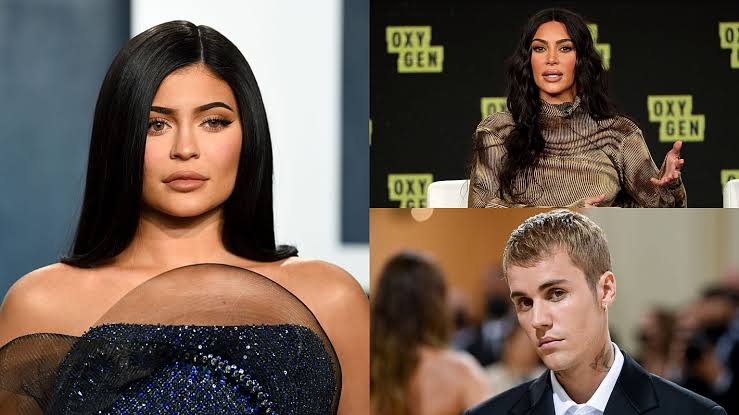
Celebrity culture has always invited public discussion, but in today’s digital environment, it has evolved into something far more intense. Celebrity debates have become social media’s favorite sport—an ongoing, always-active cycle where almost every action, statement, or appearance by a public figure is immediately analyzed, interpreted, and argued over by millions of people online.
What used to be casual fan discussion has transformed into a high-speed ecosystem of commentary, reaction, and counter-reaction. A single outfit choice, interview clip, award speech, or social media post can spark entire threads of disagreement that spread across platforms within minutes. In many cases, the debate becomes larger than the original moment itself.
This shift reflects a broader change in how audiences engage with fame. Celebrities are no longer seen only as entertainers—they are treated as public symbols whose actions are constantly evaluated against cultural expectations, personal values, and online opinion trends. Every decision becomes a reference point for larger conversations about morality, branding, authenticity, and influence.
One major reason for this phenomenon is accessibility. Social media has removed the distance between celebrities and audiences. In the past, public figures were primarily experienced through carefully edited interviews, films, or magazine features. Today, audiences see real-time updates, unfiltered opinions, and behind-the-scenes moments directly from celebrities themselves. This constant visibility creates more opportunities for interpretation—and therefore more opportunities for disagreement.
Platforms like X, TikTok, and Instagram amplify this effect by turning reactions into content. A single opinion about a celebrity can be turned into a video, stitched, quoted, or reposted thousands of times. As engagement grows, algorithms push the discussion to wider audiences, including people who may not have originally followed the topic. This turns small opinions into large-scale cultural debates almost instantly.
Celebrities such as Kylie Jenner, Kim Kardashian, and Justin Bieber often find themselves at the center of these online discussions, where even minor actions can generate global commentary. However, the phenomenon is not limited to any one group of celebrities—it applies across music, film, sports, and digital creators.
Another factor driving celebrity debates is identity expression. Online audiences often use celebrity opinions and actions as a way to express personal beliefs or cultural perspectives. Agreeing or disagreeing with a celebrity becomes a form of social signaling. In this way, debates are not only about the celebrity themselves, but also about what their actions represent to different communities.
The structure of internet culture also encourages polarization. Social media rewards strong reactions—agreement, disagreement, outrage, or defense—because they generate higher engagement than neutral responses. As a result, nuanced perspectives often get overshadowed by more extreme takes. This creates a cycle where discussions become more emotionally charged over time, even when the original topic was relatively minor.
Memes and short-form content further intensify this dynamic. A single clip of a celebrity interview or red carpet moment can be reframed humorously, critically, or dramatically, depending on the creator’s perspective. Once a moment becomes meme-worthy, it often loses its original context and is reinterpreted through countless different lenses.
At the same time, celebrity debates also serve as a form of collective entertainment. For many users, participating in these discussions is not just about forming an opinion—it is about engaging with a shared cultural moment. Comment sections, duets, stitches, and quote tweets create a sense of participation in a larger conversation that is constantly evolving.
This participatory culture has blurred the line between media consumer and media commentator. Everyone with a smartphone now has the ability to contribute to celebrity discourse, shaping narratives in real time. In some cases, public perception of a celebrity can shift dramatically based on viral discussions that spread outside traditional media channels.
The speed of these debates also means that public opinion is highly fluid. A celebrity can be praised in the morning and criticized by the evening based on new content or reinterpretation of older material. This rapid cycle of opinion change creates an environment where fame is continuously negotiated rather than stable.
Despite the intensity of these discussions, they rarely remain permanent. Internet attention moves quickly, and most debates fade as new topics emerge. However, the pattern itself remains constant—new celebrity moments continue to trigger waves of commentary, ensuring that the cycle of debate never truly stops.
Ultimately, celebrity debates have become a defining feature of modern digital culture. They reflect how deeply audiences are engaged with fame, identity, and entertainment in an interconnected world. What once might have been a passing opinion shared between friends is now part of a global, always-on conversation where every celebrity decision can become the center of attention.
References
- Pew Research Center – Social Media and Online Behavior
- Reuters Institute – Digital News Report
- Harvard Business Review – Attention Economy and Digital Culture
- MIT Technology Review – Social Media Influence
- Stanford Internet Observatory – Online Discourse Trends
- IFPI – Global Music and Fan Engagement Report
Leave a Reply