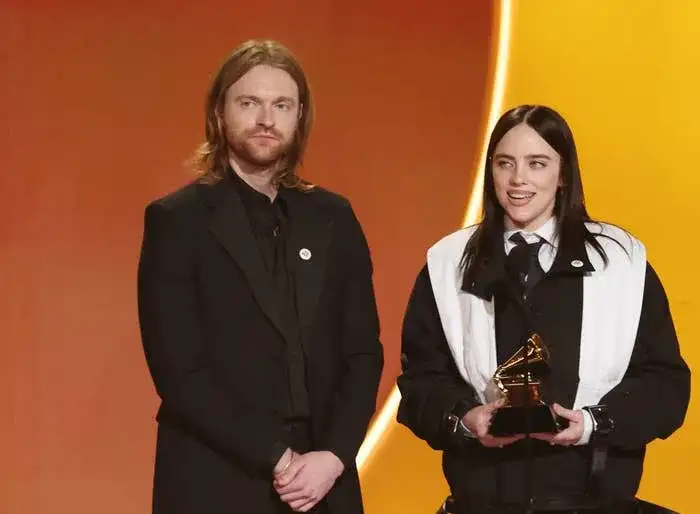
In the age of social media, celebrity culture has evolved. Gone are the days when stars were untouchable figures seen only in glossy magazines or on television screens. Today, Gen Z icons like Billie Eilish wield influence not just through their music but through their personalities, candid interviews, and viral reactions that fans can relate to and share. These moments have created a new paradigm in pop culture: authenticity, humor, and spontaneity now define fame as much as talent.
The Rise of Gen Z Icons
Generation Z, generally defined as those born between 1997 and 2012, has grown up with the internet, social media, and streaming platforms. Unlike previous generations, Gen Z fans are used to interacting directly with artists, often in real time. This interactivity has created stars who thrive not just on talent but on relatable, viral moments.
Billie Eilish is a prime example. From her early breakout with “Ocean Eyes” to winning multiple Grammy Awards, she has consistently captured the attention of fans and media alike—not just with her music but with her offbeat sense of humor, spontaneous reactions, and candid interviews.
The Power of Candid Interviews
Candid interviews give fans an intimate look at an artist’s personality beyond the stage or studio. For Gen Z icons, these moments are gold mines for shareable content.
Why They Work:
- Authenticity Resonates
Gen Z fans value honesty and transparency. When celebrities express unfiltered thoughts, laugh nervously, or respond spontaneously, it creates a sense of genuine connection. - Relatability Drives Virality
When a star reacts in ways fans themselves might—like awkwardly dodging a tricky question or joking about everyday life—it becomes meme-worthy and widely shared on platforms like TikTok, Twitter, and Instagram. - Memes Amplify Reach
Funny or candid moments often get transformed into memes, GIFs, or short clips. This amplification allows the content to spread faster than traditional media coverage.
For example, Billie Eilish’s candid answers about fashion, mental health, or social issues have consistently gone viral, with fans praising her “realness” and relatability. (Billboard)
Meme-Worthy Reactions: Why They Go Viral
Viral moments often depend on spontaneous reactions. These aren’t rehearsed; they’re snippets of personality captured at the right time.
Key Elements of Viral Reactions:
- Exaggerated Facial Expressions
A shocked look, a playful eye-roll, or an overly dramatic response can become a widely shared GIF. - Unexpected Humor
Off-the-cuff jokes or humorous observations resonate with audiences and are highly shareable. - Pop Culture References
Referencing other trends, movies, or memes can tie the moment to broader conversations online.
Billie Eilish, for instance, once reacted with mock horror to a question about fan tattoos, which immediately became a trending GIF on Twitter. Similarly, her playful side during interviews with late-night hosts has often gone viral, showing that a little spontaneity can significantly expand an artist’s reach. (The Verge)
Social Media: The Engine Behind Virality
Platforms like TikTok, Instagram, and Twitter have become central to celebrity culture. Here’s how they shape viral moments:
- TikTok Challenges and Clips
Short clips of interviews or concerts are perfect for TikTok, where users remix, dub, or react to the content. Billie Eilish’s reactions are often repurposed as short, humorous clips that quickly reach millions. - Instagram Stories and Reels
Artists can share raw, behind-the-scenes moments in real time. Fans respond instantly with comments, reposts, and memes. - Twitter Threads and Fan Communities
Fans document every reaction, creating threads of “iconic Billie Eilish moments” or live-tweeting reactions during interviews. This collective sharing further fuels virality.
Why Authenticity Beats Perfection
Traditional celebrity culture often emphasized polish and perfection. Red carpets, staged photoshoots, and controlled interviews were the norm. Gen Z icons, however, thrive on authenticity.
- Billie Eilish frequently addresses mental health struggles, body image, and social pressures openly.
- Her candid approach has made her a role model for young fans seeking genuine connection rather than curated perfection.
- Brands and media outlets now recognize that authentic, relatable content often generates more engagement than polished advertising or scripted appearances.
In essence, fans feel they know the artist personally, which strengthens loyalty and encourages the sharing of content.
The Role of Humor in Virality
Humor is a universal language on social media, and Gen Z stars like Billie Eilish understand its power. Even subtle humor in an awkward pause or sarcastic comment can create viral content.
- Relatable Humor: Fans love when celebrities joke about universal experiences like awkward interviews, internet trends, or everyday struggles.
- Self-Deprecating Humor: Shows humility and relatability, making stars feel approachable.
- Unexpected Humor: Surprising jokes or playful sarcasm often become the basis for memes and GIFs.
Billie Eilish’s humorous responses during interviews have often been clipped, captioned, and circulated widely, demonstrating how humor drives virality in the digital age. (Variety)
Viral Moments Drive Career Growth
Beyond entertainment value, viral moments have tangible benefits for artists:
- Increased Streaming and Album Sales
Fans are more likely to stream music or buy albums when they feel a personal connection with the artist. - Brand Partnerships and Sponsorships
Brands are drawn to artists who are relatable and shareable, boosting endorsement opportunities. - Expanded Global Reach
Viral clips cross borders instantly, giving artists international recognition without traditional marketing campaigns.
Billie Eilish’s viral moments have helped solidify her status as a global icon, expanding her fan base and influencing pop culture trends across the world.
How Fans Participate in Virality
Fans aren’t just passive viewers; they actively participate in creating and spreading viral content. This participatory culture includes:
- Fan Memes and GIFs
Users create humorous content using screenshots or clips from interviews. - Reaction Videos
TikTok and YouTube users react to celebrity interviews, generating new layers of content that spread further. - Challenges and Trends
Fans often start online challenges inspired by a celebrity’s reaction, extending the virality beyond the original moment.
This engagement makes Gen Z celebrity culture highly interactive, blurring the line between fans and stars.
Other Gen Z Icons Following the Trend
While Billie Eilish is one of the most prominent examples, other Gen Z artists and influencers are also leveraging viral moments:
- Olivia Rodrigo – Her candid commentary on social media trends and music videos often sparks memes.
- Lil Nas X – Known for his humorous, meme-friendly posts, often blending pop culture and internet humor.
- Charli D’Amelio – Viral TikTok dancer whose candid behind-the-scenes content engages fans directly.
These stars illustrate a broader shift in celebrity culture: personality, humor, and authenticity now drive influence as much as talent.
The Impact on Pop Culture
Viral moments from Gen Z icons like Billie Eilish are changing how pop culture works:
- Democratization of Fame: Fans have unprecedented access to celebrities, shaping the narrative and influencing trends.
- Shift in Media Coverage: Traditional media now highlights candid reactions and viral content as much as album releases or box office numbers.
- Cross-Media Influence: Viral moments create content that can be repurposed across social media platforms, podcasts, and streaming shows.
In short, authenticity, humor, and relatability are now cultural currencies, redefining what it means to be famous.
Conclusion: Why Billie Eilish and Gen Z Icons Thrive
The success of Gen Z stars like Billie Eilish demonstrates that being genuine, spontaneous, and humorous resonates deeply with audiences. Fans crave content that feels real and shareable, making candid interviews and meme-worthy reactions central to modern celebrity influence.
In a digital age where attention is scarce, viral moments are more than entertainment—they are a strategic tool for engagement, cultural relevance, and career growth. By embracing authenticity, Gen Z icons are not just dominating social media; they are reshaping pop culture itself.
Leave a Reply