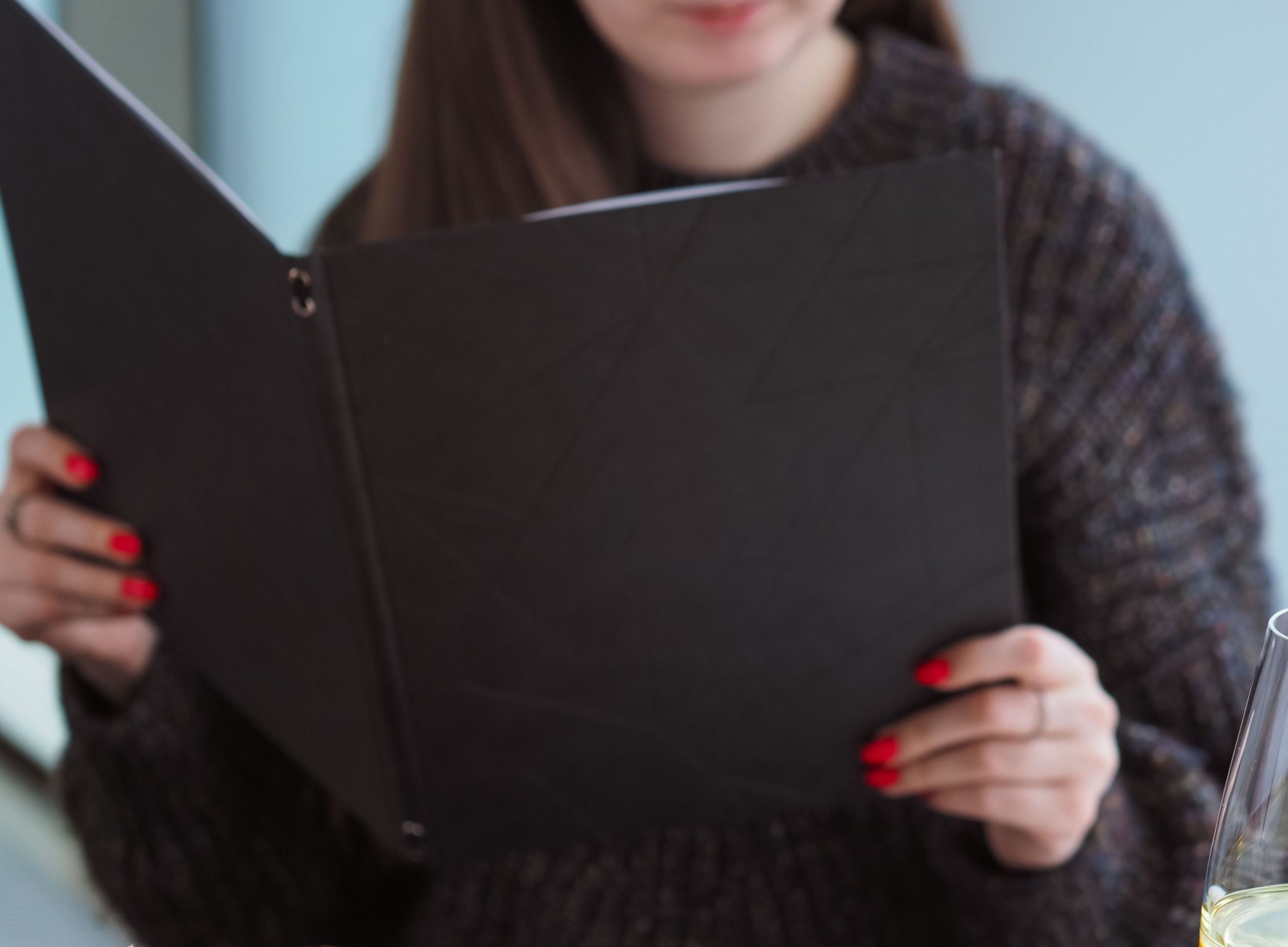
There was a time when going to a restaurant meant having some fairly standard food on a menu. There was always a familiar salad, a burger, pasta, and a dessert that did not come with an explanation that required a degree in culinary arts to understand. All of that seems to be in the past.
Now, in the modern age, restaurants seem to be taking the idea of experimentation to the next level. Gone are the days when you could order a salad and get a plate of lettuce with some veggies on top, maybe some cheese and some chicken if you wanted to get adventurous. Now you can expect to find some weird foams, edible flowers, weird fermented veggies or something referred to as “soil” and a side of “deconstructed dressing” in a tiny bottle. You politely ask what that is and the waiter tells you that it has been deconstructed. Ma’am, I did not ask to have my dinner deconstructed! I asked for lunch.
The weirdest restaurant food trends are growing rapidly and becoming more and more extreme. While it is great to see innovation within the restaurant industry, people are starting to ask themselves if they are dining or attending a food science lecture. Everything from miniature portions on giant plates to desserts that look like they have been taken out of your grandmother’s kitchen are making people talk, complain and, more importantly, write opinion pieces.
So, take a seat, put those tiny forks away and let’s talk about the weirdest food trends that need to be brought up with the manager.
When Salad Stopped Being Salad
Let’s start our discussion about weird restaurant food trends with the most talked about dish in the restaurant business: salad. Salad used to be one of the most straightforward dishes in the restaurant. No matter where you went, you could always order a salad and know exactly what to expect. Some lettuce, some veggies, maybe some cheese and some protein on the side. Simple. Easy. Comforting.
Now, ordering a salad can be like opening a Pandora’s box.
You could get six leaves of lettuce covered in dressing, some weirdly placed cruciferous vegetables, some crunchy bits referred to as “crispy elements” by the waiter who clearly thinks he is Leonardo Da Vinci and microgreens placed on your plate like a modern art masterpiece. You might also get some flowers on top of it all and a dressing that looks like pearls. It all sounds really fancy until you realize that your salad costs the same as a steak dinner. The waiter is enthusiastically telling you about every single element of your salad while you silently count how many more salads you need to order to feel full.
And the most important part of a salad is the size. If I order a salad at a restaurant, I want it to be big enough to remind me that I am not paying for a single leaf of greens. The weird salad trend seems to forget that a salad is also a meal and not a pre-dinner snack.
Deconstructed Food Needs to be Reconstructed
The word “deconstructed” has become one of the most infamous terms in the restaurant business. Nothing screams innovation and uniqueness quite like something that has been deconstructed. Deconstructed food usually means that something familiar has been taken apart and put back together in a way that most people would not recognize. Cheesecake with cream, crumbs and fruit placed on separate plates so that you can put them together yourself when you are done playing food chemist.
Why on earth would anyone want to assemble their dessert when they can just have it served to them in a pretty dish? It is understandable to want to innovate and create unique dishes, but there needs to be some common sense involved. Sometimes food just needs to be food. While some people enjoy the challenge of figuring out what goes with what, others just want to have their cheesecake and eat it too.
This “deconstructed” phenomenon is not limited to desserts. There are deconstructed main courses and even deconstructed appetizers. The most disappointing part of this food trend is that it takes something familiar and turns it into an intellectual experience. Instead of enjoying your food, you need to dissect it in order to understand the genius of the chef who made it.
Tiny Portions on Giant Plates
One of the most talked about restaurant food trends is tiny portions on giant plates. Diners have expressed their disappointment at ordering a meal only to find that the size of the plate is closer to a serving tray. The worst part of this trend is that the food on the plate sometimes looks really good.
The food could be beautiful and plated with all sorts of sauces and extra elements. When you look at the beautiful colors and the perfect presentation, it all looks amazing. However, after three bites of food, you find yourself questioning whether you are looking at the wrong plate because the amount of food looks more like a snack.
This is especially disappointing if the restaurant charges you for a full-course meal.
I understand that certain ingredients might be expensive and that chefs need to make a living, but if I need to stop by a drive-thru on my way home because the “tasting portion” of food on my plate barely fills me up, there is a bigger problem.
Foam. Why Is Everything Foam?
At some point, every food trend seems to meet the most random ingredient known to man: foam. Sauces, soups, desserts, everything gets turned into a fluffy, airy topping that usually ends up costing you twice as much as the dish itself. It seems that there is no food that is exempt from the “foam” trend.
Now, I understand that adding air and extra elements can help to enhance the flavor and aroma of different dishes.
There is no reason why chefs should not experiment with different ingredients and come up with innovative ways to prepare food. However, I do not think that I need a plate of food with a couple of bubbles on top in order to enjoy my meal. There is something really creepy about being served expensive food with some weird bubbly liquid on top. You ask the waiter what it is and he tells you something that sounds like a seventeen-syllable word that you have never heard in your life. Meanwhile, grandma is looking at your plate and wondering why nobody bothered to make some gravy.
Foam might be fun, but when every other dish on the menu looks like it has been taken out of a bubble bath, people can get tired of it.
The Rise of Edible Flowers
Edible flowers have become one of the most popular food trends in the restaurant business. It seems that every dish needs some colorful petals on top in order to be presentable. Salads, desserts, cocktails, main courses – nothing is safe from the “flower” trend. However, it seems that the only purpose of the flowers is to make the dish look pretty.
It is fun and exciting to see chefs using edible flowers to create beautiful dishes, but when it comes to the actual taste, the flowers rarely add anything to the dish. It is ironic that paying for a meal means paying for something that is mostly for show. Of course, some flowers actually have a nice flavor and can be used in different dishes, but it is disappointing to see the edible flower trend peak at “dinner theater”. If the flower looks good, that is great. However, if the flower tastes like nothing at all, I would rather not pay for it.
Food That Looks Like Something Else
One of the weirdest restaurant food trends is making dishes that look like something else. Desserts that look like rock formations, vegetables or even handbags. Foods such as chocolate and pastry can be sculpted into almost any shape, so it is no surprise that pastry chefs can create interesting foods that look like different objects. However, when you order a dessert, you do not really expect it to be a piece of furniture.
The most disappointing part of this food trend is that it is mostly a gimmick that does not really enhance the dining experience.
Sure, it is cool to see innovative ways chefs can present food, but when it comes to desserts, I want something that looks good enough to eat. There is nothing wrong with making food look cool, but I would like to know that it actually is food first.
Gold Plated Everything
There is something really creepy about putting some gold dust on a burger. It seems that gold is becoming one of the most popular food trends in the restaurant business. Gold flakes and leaf are being added to desserts, steak, pizza, chocolate and even cocktails. It is unclear how or why this food trend became so popular, but it certainly did.
Gold is safe to eat, although the amount of it on your food is barely enough to satisfy someone with a healthy appetite. The whole point of adding gold to food is to make it look fancier and more expensive. While some people are cool with that, others tend to notice that the flavor of the dish does not really change. Gold leaf might look pretty, but it is not going to enhance the flavor of your burger. At the end of the day, adding edible gold to food is just a gimmick that will only satisfy superficial senses. I do not want my cupcake to look like my earrings, I want it to taste good.
The Charcoal Food Obsession
Black food has become one of the biggest food trends in recent years. Activated charcoal has been added to burgers, ice-cream, pizza, cocktails and even desserts. It seems that everything is turning into something that looks like it has been charred in the microwave. The appeal of turning regular food into something that looks charred is obvious.
The charcoal food trend has become so popular that it has even inspired the creation of desserts that look like they have been taken out of a haunted house. However, when you are served something that is entirely black, the initial reaction is usually confusion.
Is that a dessert? Did it burn? Is that a chocolate mousse or an ice cream cone that spontaneously combusted? This visual food trend can be fun at times, but there are certain dishes that should stay the way they are.
The Extremely Complicated Burger
Burgers used to be one of the simplest dishes in the restaurant. A burger is a piece of meat, some cheese, veggies on the side, a bun and some sauce. Simple.
Now, burgers have become works of art that require a degree in civil engineering to eat. Modern burgers usually have fried chicken, macaroni and cheese, onion rings, jalapeños, various sauces, slices of cheese, fried eggs and basically everything else that can be fried. At some point, the burger stops being a burger and starts being a building made of meat.
It is impressive how much food can be put on a burger, but if I need both hands, three napkins, a fork, a knife and a few minutes of emotional support to eat my burger, something went wrong.
I am all for creativity and innovation, but when a burger is more like a construction site, I start to lose interest.
Desserts That Require a Performance
Desserts now come with a side of performance. Smoke, fire, dry ice, table-side preparation and various other effects can turn a simple dessert into an unforgettable experience. Some desserts are great, but when the waiter seems to be trying to put on a play when bringing you your dessert, it can be hard to know what to think. There is nothing wrong with a little drama, but when the waiter is spending five minutes talking about how to break, pour or mix your dessert, you start to wonder if there will be a test at the end of the presentation.
Speaking of which, can we talk about desserts that are smoking?
I ordered a chocolate cake, not a volcano. There is nothing wrong with desserts that have special effects, but sometimes you just want to enjoy your dessert without worrying about being yelled at by your waiter if you happen to touch the “smoke”.
The Social Media Food Trend Problem
Most of these weird restaurant food trends are being fuelled by social media. It is much easier to post a picture of something colorful, unusual or simply impressive looking on social media than it is to take a picture of something plain and simple. Restaurants want to attract customers, so creating food that looks good on social media is usually the best way to do that.
There is nothing wrong with wanting to post pictures of food, in fact, social media has helped the restaurant industry a lot by bringing more customers to different restaurants and cuisines that they would have never tried without Instagram or Facebook.
The problem with the “food trends” that are all about making dishes look good on social media is that appearance is starting to become more important than flavor. A beautiful dish that tastes bad does not really solve the problem of bad food. Appealing presentation and good taste should go hand in hand, which is why the weirdest food trends should not always be about making dishes look exotic or unusual.
Are Weird Food Trends Actually Bad?
It is important to realize that just because something seems weird, it does not mean that it is bad. Some of the weirdest restaurant food trends are actually really great and should continue existing. Innovation and uniqueness are important parts of any successful restaurant.
Weird food trends are usually the result of chefs experimenting with different ingredients and trying to find new ways to prepare familiar dishes. Some weird food trends will become iconic, while others will be quickly forgotten. At the end of the day, creativity is what makes the restaurant business go, which is why weird food trends will always be a part of our dining experiences.
However, just because creativity is important does not mean that it should be random. If weird food trends are making people pay more for something they barely eat, or making people question if they are dining or attending a food science lecture, those trends are doing more harm than good.
What Diners Really Want
As mentioned above, diners want unique and exciting dishes prepared by creative chefs. This does not mean that unique and exciting dishes have to be weird, expensive or hard to eat with a fork. Sometimes people just want a plate of food that they feel comfortable eating.
Some people want adventure, but others want to go on a journey called digestion. There is a place for weird food trends in the restaurant industry, but it should not be the only place for regular, comforting dishes prepared in regular, comforting ways.
Diners want good food, fair prices, friendly waiters, a comfortable atmosphere and a memorable experience. These things should be available in every restaurant, which is why weird food trends should not ruin the overall experience of dining out. After all, who wants to spend their evenings listening to waiters talking about the philosophy behind a pea-sized portion of mashed potatoes?
Final Complaint: Can I Speak to the Chef?
The weirdest restaurant food trends are part of the dining experience at many modern restaurants. From deconstructed dishes and edible flowers to foam, charcoal, gold-plated dishes, oversized burgers, tiny portions and desserts that require a degree in chemistry to eat, restaurants are doing everything they can to surprise and impress diners with their unique takes on familiar dishes.
Some of these restaurant food trends are really cool, while others can easily make you question if you have been sent to the restaurant or to a cooking channel on YouTube.
However, no matter what weird restaurant food trends are doing, they are always doing it under the guise of innovation, creativity and uniqueness. These are all important parts of the restaurant business, which means that weird food trends will always be popular among diners who want to try new things. After all, food should be fun, not dull, which is why chefs and restaurants should continue to come up with new ways to prepare food.
However, when diners look at their plates and feel like they have been sent to a cooking class instead of a restaurant, they will always ask themselves if weird food trends are really necessary.
Weird restaurant food trends are definitely making the dining out experience more exciting. However, when people order a salad and get what looks like a garden, they might want to politely remind the restaurant that they ordered a salad, not a science experiment.
Leave a Reply