Category: Celebrity Gossip

  • The Rise Of The Professional Celebrity Critic

    The Rise Of The Professional Celebrity Critic

    There was a time when celebrity commentary came from entertainment reporters, magazine columnists, and television hosts. Today, anyone with a social media account can become a critic—and many have built entire audiences doing exactly that.

    The moment a celebrity makes an appearance, gives an interview, posts a photo, or attends an event, thousands of opinions arrive within minutes. What was once a news story quickly becomes a debate, with reactions often generating more attention than the original event itself.

    Social media has fundamentally changed Hollywood gossip. Instead of waiting for entertainment outlets to shape the conversation, audiences now participate in real time. Fans, critics, influencers, and casual observers all contribute to a nonstop cycle of commentary.

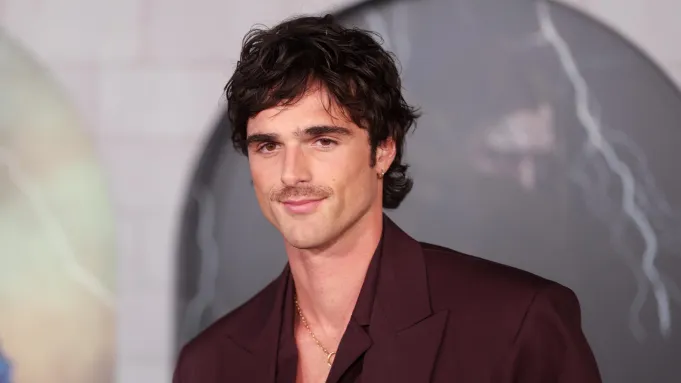
    Celebrities such as Sydney Sweeney, Jacob Elordi, and Ice Spice frequently find themselves at the center of online discussions where public reactions spread faster than official statements or media coverage.

    Part of the appeal is accessibility. Audiences no longer feel like passive consumers of celebrity culture. They can instantly share opinions, analyze interviews, react to fashion choices, and participate in viral conversations that shape public perception.

    This has created a new category of internet personality: the professional celebrity critic. These creators build large followings by reacting to Hollywood news, dissecting public appearances, and offering commentary on the latest celebrity headlines.

    The speed of modern media also encourages quick judgment. Reactions often appear before full context is available, turning celebrity culture into an environment where narratives can change within hours. A single moment can generate thousands of competing interpretations.

    At the same time, gossip has become more interactive than ever. Instead of consuming headlines alone, audiences engage through comments, reaction videos, memes, and discussion threads that keep stories alive long after they first appear.

    For celebrities, this means navigating an entertainment landscape where public opinion is immediate, visible, and constantly evolving. Every appearance can become a topic of debate, regardless of how significant the original moment may have been.

    Ultimately, Hollywood gossip is no longer driven solely by celebrity actions—it is driven by audience reactions. In the age of social media, the biggest story is often not what happened, but what everyone thinks about what happened.

    References

  • I Watched Your Favorite Celebrity Drama So You Don’t Have To: An Uninvited Opinion From Someone’s Aunt

    I Watched Your Favorite Celebrity Drama So You Don’t Have To: An Uninvited Opinion From Someone’s Aunt

    The Internet’s Favorite Hobby: Watching Celebrities Make Headlines

    Welcome to the unofficial complaint department of celebrity culture, where the coffee is strong, the opinions are stronger, and someone’s aunt has already formed a conclusion before the first commercial break. In today’s world, celebrity drama has become one of the internet’s favorite forms of entertainment. From unexpected breakups and shocking interviews to viral moments that make everyone ask, “Why did they post that?”, there is always something happening in Hollywood.

    But while millions of people are refreshing social media pages for the latest celebrity gossip, there is always one person sitting comfortably at home saying, “I could have told you this was going to happen.”

    That person is the fictional aunt we all know. The one who has an opinion about everything, the one who notices every red flag, the one who does not understand why celebrities pay thousands of dollars for outfits that look like they were picked in the dark, and the one who believes every public relationship announcement deserves a full investigation.

    This is not just another celebrity gossip article. This is a comedic review of the biggest celebrity dramas, relationships, and trending stories through the eyes of someone who has absolutely no invitation to comment but will happily do so anyway.

    Celebrity Drama: The Reality Show Nobody Asked For But Everyone Watches

    Celebrity drama has transformed into a never-ending reality show. The difference is that the audience does not even need a television anymore. One Instagram post, one mysterious caption, or one unfollow can create an entire week of theories, discussions, and internet investigations.

    Celebrities often live under a microscope. Every outfit, every interview answer, and every relationship update becomes a public conversation. Fans analyze everything from body language to emojis, while gossip pages turn small moments into major headlines.

    And somewhere in the background, Auntie is sitting there saying, “I knew something was going on when they stopped liking each other’s pictures.”

    The funny thing about celebrity drama is that it often feels like watching a family argument at a holiday dinner. Everyone has opinions, everyone chooses sides, and somehow everyone believes they know the full story even when nobody actually knows what happens behind closed doors.

    The aunt perspective brings humor to the chaos. Instead of taking every scandal too seriously, it looks at celebrity culture with a playful eye. Sometimes the biggest drama is not the situation itself but the way everyone reacts to it.

    The Relationship Report: Love, Breakups, and Internet Investigations

    Celebrity relationships are one of the biggest sources of entertainment online. Fans love a good love story, but they also love trying to solve a mystery.

    When two celebrities start dating, the internet immediately becomes a detective agency. People analyze photos, interviews, vacation locations, and even the timing of social media posts. If someone deletes a picture, people panic. If someone posts a song lyric, people create theories. If someone says “we are focusing on ourselves,” everyone knows there is probably a story behind it.

    From an aunt’s perspective, celebrity relationships come with one simple question: “Did anyone actually communicate?”

    The world of famous couples is filled with grand romantic gestures, public declarations, and dramatic moments. But sometimes the biggest lesson is that fame does not make relationships easier. Celebrities still deal with the same challenges as everyone else: trust, communication, expectations, and personal growth.

    The difference is that their relationship problems often become entertainment for millions of strangers.

    Auntie’s advice? Maybe stop announcing every relationship update to the entire internet. Some things can stay private. Some mysteries do not need a documentary.

    When Celebrity Apologies Become a Full-Time Performance

    One of the most interesting parts of celebrity culture is the apology cycle. A celebrity makes a mistake, the internet reacts, and suddenly everyone is waiting for a statement.

    The apology usually follows a familiar pattern. There is the carefully written message, the explanation, the reflection, and sometimes the classic phrase: “I have learned and grown from this experience.”

    Of course, growth is possible. People make mistakes, and accountability matters. But the internet has become very good at noticing when an apology feels genuine and when it feels more like a public relations strategy.

    The aunt review would probably include a dramatic reading of every sentence and a long pause before saying, “Hmm. I’m not convinced.”

    Celebrity apologies have become part of modern pop culture because audiences want authenticity. Fans connect with celebrities who acknowledge mistakes honestly rather than treating every controversy like a business problem.

    The funniest part is that the internet often knows when something feels forced. Millions of people can recognize when a statement sounds like it was written by a team of professionals instead of the actual person.

    Fashion Moments That Made Everyone Say “Interesting Choice”

    Celebrity fashion is another area where opinions never run out. Red carpets, award shows, and public appearances become unofficial fashion competitions.

    Some celebrities create iconic looks that inspire trends around the world. Others create moments that leave everyone asking, “Who approved this?”

    And naturally, Auntie has entered the fashion department.

    The aunt perspective is not about hating fashion. It is about the hilarious confusion that comes with watching trends change every year. One decade everyone wants one style, and suddenly the next decade people are wearing something completely different while calling it “modern.”

    Celebrity fashion is powerful because it influences culture. Designers, beauty trends, and personal styles often start with famous personalities. But sometimes fashion is not about looking perfect. Sometimes it is about making people talk.

    After all, the biggest fashion statement is often the one people cannot stop discussing.

    The aunt verdict? “If you are comfortable and confident, good for you. But I still have questions.”

    Social Media: The New Celebrity Drama Headquarters

    There was a time when celebrity news came from magazines, interviews, and television shows. Today, celebrities can create headlines with a single post.

    Social media has completely changed how fans interact with famous personalities. Celebrities can share personal moments directly with audiences, but this also means every action can become part of a public conversation.

    A simple photo can create rumors. A short comment can become a headline. A deleted post can become a mystery.

    The aunt perspective finds this fascinating because it proves one thing: people have always loved gossip. The only difference is that now everyone has access to the information instantly.

    Social media has created a world where celebrities and fans exist closer together than ever before. But with that connection comes more opinions, more criticism, and more opportunities for misunderstandings.

    Sometimes the internet needs a reminder that not every moment requires a full investigation.

    The Problem With Taking Celebrity Drama Too Seriously

    Celebrity gossip is fun because it provides entertainment, conversation, and sometimes even inspiration. It allows people to escape daily routines and enjoy stories about people living very different lives.

    However, there is a difference between enjoying celebrity news and becoming emotionally invested in every detail.

    Celebrities are real people, not fictional characters. Behind the headlines are individuals dealing with personal experiences, challenges, and emotions.

    The comedic aunt perspective works because it exaggerates the drama without forgetting that real people are involved. The goal is not cruelty. The goal is humor.

    A good celebrity review can be funny, clever, and entertaining while still recognizing that there is a human being behind every headline.

    Why Celebrity Commentary Will Always Be Popular

    Celebrity culture continues to grow because people are naturally interested in stories. We enjoy watching success, relationships, transformations, and unexpected moments unfold.

    Celebrity drama creates conversation. It gives people something to discuss, debate, and laugh about.

    The reason the “uninvited aunt opinion” works so well is because everyone knows someone like that. Someone who watches everything, judges everything, and somehow always has a story to tell.

    That personality makes celebrity commentary more entertaining because it adds humor to the chaos.

    Instead of simply reporting what happened, the aunt perspective asks the questions everyone is secretly thinking:

    “Why did they do that?”

    “Who suggested that outfit?”

    “Are we sure this was a good idea?”

    “And can someone please explain what is happening?”

    Final Thoughts: The Celebrity Gossip Aunt Has Spoken

    Celebrity drama will never disappear. As long as there are famous people, there will be headlines, rumors, relationships, fashion moments, and internet debates.

    But maybe the best way to enjoy celebrity culture is with a sense of humor.

    The world does not need another serious analysis of every celebrity mistake. Sometimes it needs a funny review from someone sitting on the couch, drinking coffee, and offering completely unnecessary but entertaining opinions.

    Because at the end of the day, celebrity gossip is not just about famous people. It is about stories, reactions, and the joy of saying:

    “I watched it. I judged it. And now I have thoughts.”

    And yes, someone’s aunt is still waiting for someone to explain what everyone is talking about.

  • I Have Questions, Concerns, and a Strongly Worded Opinion About This Celebrity Situation

    I Have Questions, Concerns, and a Strongly Worded Opinion About This Celebrity Situation

    A Completely Unofficial Gossip Report From Someone Trying Very Hard to Stay Calm

    Something is happening in celebrity culture, and I would like to address it immediately in a calm, structured, and entirely reasonable way. Not because I am upset, but because I am increasingly confused and that is starting to feel like a public issue.

    I have been observing everything very closely. The posts, the relationships, the sudden disappearances, the reappearances, and the emotional captions that feel like they were written during a moment of deep reflection and possibly low battery. And after all this observation, I have arrived at a simple conclusion: I have questions. I have concerns. And I have a strongly worded opinion that I am delivering in the most polite tone possible.


    The Current State of Celebrity Life Feels Difficult to Follow

    There was a time when celebrity news was relatively easy to understand. Someone dated someone, someone broke up, someone released a statement, and everyone moved on with their day. Now everything feels layered, unclear, and somehow happening across multiple timelines that are not fully connected to each other.

    One celebrity will post something emotional, another will post something vague, and another will completely disappear from the internet only to return later behaving as if nothing ever happened. Meanwhile, we are expected to follow along and understand every shift without missing a beat.

    I am doing my best, but I must admit the storyline is no longer straightforward.


    Celebrity Relationships Have Become Emotionally Unclear Narratives

    One of the most confusing parts of modern celebrity culture is relationships. They no longer follow a predictable structure. Instead, they seem to exist in a state of constant uncertainty that requires interpretation rather than confirmation.

    One day, two celebrities are publicly in love, posting coordinated photos and captions that suggest deep emotional connection. The next day, there is silence, followed by vague statements about “focusing on personal growth,” which is celebrity language for not explaining anything at all.

    Then, almost without warning, they are seen together again in public, and we are expected to adjust our understanding without asking too many questions. At this point, I am no longer sure what counts as together, apart, or temporarily paused.

    I would simply appreciate a clearer explanation of the timeline.


    Social Media Posts Are Becoming Increasingly Difficult to Interpret

    There is a new type of celebrity content that I would describe as emotionally ambiguous posting. These are captions that sound meaningful but contain no clear message, black-and-white photos that suggest seriousness without context, and reposted quotes that feel like they are directed at someone specific but we are not allowed to know who.

    There are also sudden deletions of posts or entire accounts, followed by reappearances that offer no explanation for the absence. As an observer, this creates a constant feeling of missing information.

    It feels less like following a public figure and more like trying to solve a puzzle without knowing what the final image is supposed to look like.


    I Would Like to Know Who Is Approving Public Narratives

    At some point, I began to assume there is a structured team behind celebrity communication. Publicists, managers, strategists, and people responsible for making sure that everything presented to the public makes at least partial sense.

    However, recent events have made me question how much coordination is actually happening. One day there is a carefully crafted emotional statement, and the next day there is a completely contradictory public appearance that is never addressed again.

    This leads me to wonder, in the most respectful way possible, whether there is a review process for public messaging or whether we are simply watching everything unfold in real time without any editorial filter.

    I am not demanding perfection. I am simply requesting consistency.


    Public Appearances Are Adding to the Overall Confusion

    Fashion and public appearances are also contributing to my current state of confusion. Some celebrities arrive on the red carpet looking perfectly composed, while others arrive wearing outfits that seem to belong to entirely different creative concepts that were not explained in advance.

    At times, the styling feels intentional and artistic, while at other times it feels like a spontaneous experiment that may or may not have been fully approved before stepping in front of cameras.

    Public figures like Zendaya often become central to these conversations because their style choices are bold, conceptual, and sometimes difficult to immediately interpret without additional context.

    I fully respect artistic expression, but I would also appreciate the occasional outfit that I can understand without needing to analyze it for ten minutes.


    The Phrase “We’re Just Friends” Has Lost All Clear Meaning

    There is a recurring phrase in celebrity culture that I believe now requires official clarification: “We’re just friends.” This phrase has been used in situations involving clear romantic tension, ongoing public appearances together, and emotional ambiguity that suggests a deeper connection than friendship alone.

    Yet, despite its repeated use, it remains the standard response whenever questions arise. The issue is not the phrase itself, but the wide range of situations it is used to describe.

    At this point, I find myself needing additional context every time I hear it, because it no longer provides meaningful information on its own.


    Celebrity Feuds Appear and Disappear Without Resolution

    Another pattern I have noticed is the rise of public celebrity conflicts that gain attention, generate discussion, and then disappear without any conclusion. One moment there is tension expressed through posts, interviews, or subtle references, and the next moment there is complete silence with no follow-up.

    As someone trying to understand the full narrative, this lack of closure is deeply unsettling. It feels like watching a conversation begin with intensity and then abruptly stop mid-sentence, leaving everyone unsure of what was actually resolved.

    I would appreciate at least a sense of conclusion, even if it is minimal.


    Emotional Shifts in Celebrity Content Are Becoming Hard to Process

    There is also a noticeable inconsistency in tone across celebrity content. One post may be deeply emotional and reflective, followed immediately by a sponsored advertisement or a lighthearted meme. The emotional transitions are so sudden that it becomes difficult to understand what mood or message is intended at any given time.

    As an observer, I find myself constantly recalibrating my interpretation, which is becoming mentally exhausting in ways I did not expect from simply scrolling through social media.

    It would be helpful if there were clearer emotional boundaries or at least some indication of intent behind each type of content.


    We Are Now Actively Participating in Celebrity Narratives Without Realizing It

    Perhaps the most surprising development in modern celebrity culture is that the audience is no longer passive. We are actively participating in the construction of narratives by interpreting posts, analyzing images, and building theories based on limited information.

    A single caption can generate thousands of interpretations. A deleted post can become a full investigation. A casual photo can lead to widespread speculation about entire relationships or career decisions.

    The strange part is that none of us explicitly agreed to this level of involvement, yet here we are, deeply engaged in ongoing storylines as if we were part of the production team.


    A Respectful Request for Slightly More Clarity

    This is not a demand for total transparency or perfection. It is simply a request for slightly more structure in how information is presented to the public. Clearer timelines, fewer cryptic messages, and more consistent narratives would go a long way in reducing confusion.

    I am not asking celebrities to change their lives. I am only asking for enough clarity that I do not feel like I am constantly piecing together fragments of a story that is always missing key pages.

    Even a small improvement in clarity would make a noticeable difference.


    Final Statement: I Remain Confused but Committed to Observing

    Despite everything, I will continue following celebrity culture because, at this point, it has become part of my daily routine. I will read the posts, interpret the captions, and attempt to understand the shifting narratives even when they do not fully make sense.

    I still have questions. I still have concerns. And I still have a strongly worded opinion that is waiting patiently for clarification.

    Not out of anger, but out of ongoing, polite confusion.

    And until the situation becomes clearer, I will remain here, observing everything very carefully and trying my best to understand what is actually going on.

  • Why The Internet Is Angry Again

    Why The Internet Is Angry Again

    In 2026, online outrage has become a predictable rhythm of digital culture. Every week introduces a new moment, statement, or clip that sparks widespread reaction across platforms. What once might have been a brief disagreement or passing controversy now evolves into a full-scale online conversation shaped by rapid sharing, commentary, and interpretation.

    Outrage in this context is less about a single issue and more about how information travels. A short video, a screenshot, or a headline can circulate widely before context is fully established, allowing emotional responses to form quickly. As these reactions multiply, they often become part of the story itself.

    Social media platforms play a central role in amplifying this cycle. Content that provokes strong emotional responses—especially anger, disbelief, or moral disagreement—tends to generate higher engagement. This makes outrage highly visible, often placing it at the center of trending topics and recommended feeds.

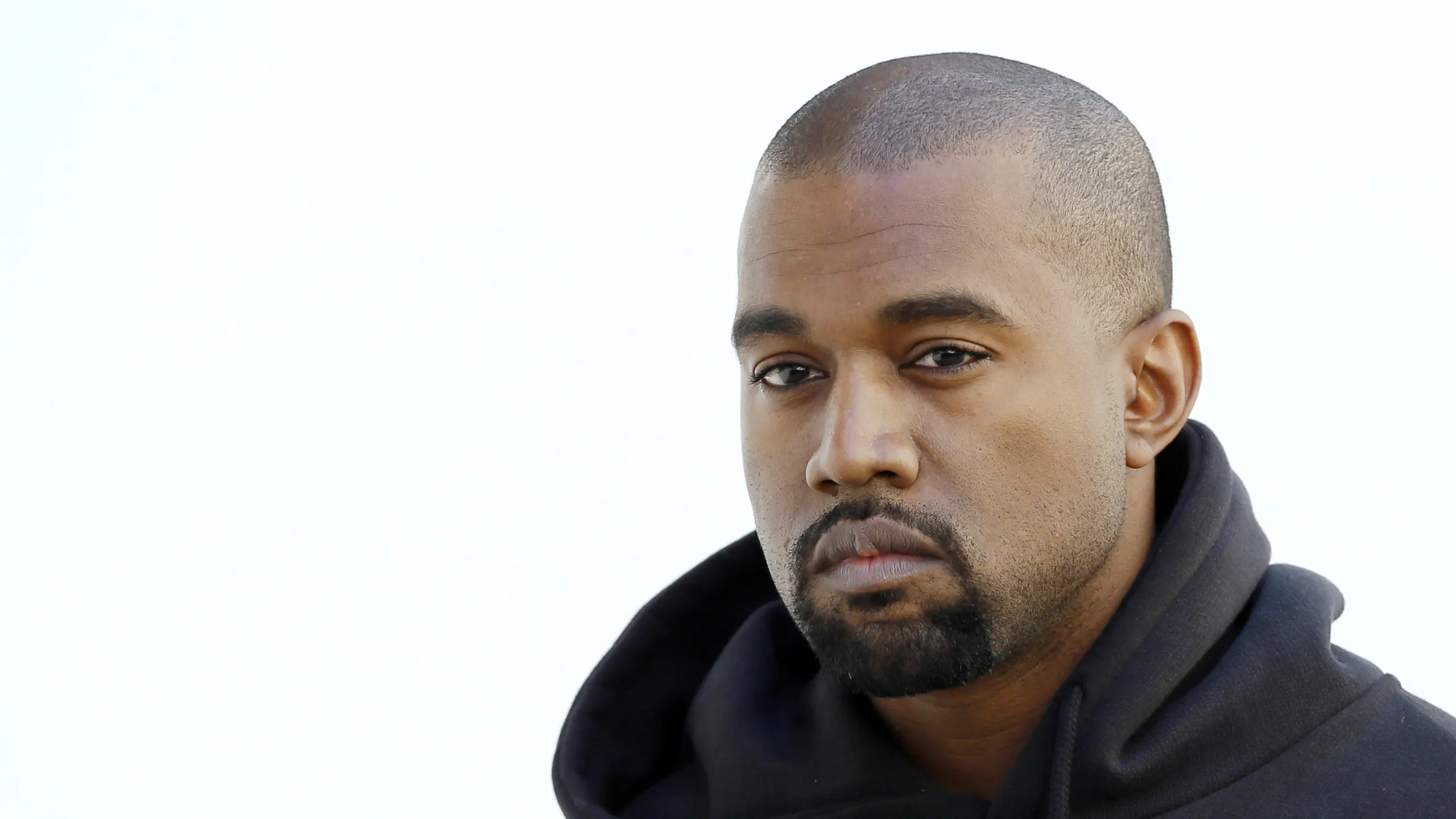
    Public figures such as Kanye West and Meghan Markle frequently appear in these cycles, where isolated moments or comments can quickly escalate into broader cultural debates that extend far beyond the original context.

    Another key factor is participation. Online audiences are no longer passive observers of controversy. They actively contribute through replies, threads, reaction videos, and opinion content, each adding new layers to the discussion. This creates a feedback loop where engagement itself sustains the visibility of the topic.

    The structure of digital communication also encourages immediacy. Users are often exposed to partial information in fast-moving feeds, where speed of reaction can matter more than accuracy or depth of understanding. As a result, emotional responses frequently precede full comprehension of the situation.

    Outrage cycles are also shaped by repetition across platforms. A single incident may appear in multiple formats—news clips, commentary breakdowns, memes, and reaction compilations—each reinforcing attention and extending the lifespan of the story.

    However, not all outrage is identical. Some discussions lead to meaningful critique or accountability, while others fade quickly once attention shifts elsewhere. The intensity of response does not always correlate with long-term significance, but it does strongly influence visibility in the short term.

    Media outlets and creators have adapted to this environment by closely monitoring trending sentiment. Coverage often reflects not only the original event but also the public reaction surrounding it, further blurring the line between news and response.

    Despite its volatility, outrage remains one of the most consistent drivers of engagement in online culture. It reflects the broader structure of attention-driven platforms, where emotion often determines reach, and reaction becomes part of the content ecosystem itself.

    References

  • I Grew Up Believing I Looked Like a Celebrity Because of My Mom

    I Grew Up Believing I Looked Like a Celebrity Because of My Mom

    I used to believe I was special in a way most kids weren’t. Not because I was the smartest in class or the most talented, but because my mother told me something I carried with pride for years—I looked like a celebrity. At first, it sounded harmless, even sweet. Every child wants to feel unique in their parents’ eyes. But what I didn’t realize back then was how deeply that one belief would shape my confidence, my personality, and eventually, my biggest moment of embarrassment in school.

    It all started when I was very young, probably around six or seven years old. My mother had this habit of comparing me to different celebrities whenever we watched television together. Whenever a beautiful actress appeared on screen, she would pause, smile, and say, “That’s you when you grow up.” At first, I thought she meant I would become famous someday. But as I got older, I realized she meant something else. She wasn’t saying I would become a celebrity. She was saying I already looked like one.

    One actress in particular became the center of everything. I don’t even remember how it started, but my mother became obsessed with saying I looked like her. She would point at magazine covers, advertisements, even random social media posts and say, “That’s my daughter. People just don’t know it yet.” At family gatherings, she would proudly show my pictures to relatives and say I had the same face as this celebrity. And because I was a child, I believed her without question.

    It became part of my identity.

    When people asked me what I wanted to be when I grew up, I didn’t just say “doctor” or “teacher.” I would confidently say, “I already look like a celebrity.” I would say it with a straight face, as if it were a fact everyone should know. My mother never corrected me. In fact, she encouraged it. She would fix my hair in front of the mirror and say things like, “You just need a little more confidence. Celebrities always know they’re special.”

    At home, I practiced poses in front of mirrors. I studied angles of my face, trying to find what my mother saw. I started believing that maybe I was just waiting for the world to notice me. I didn’t think of it as arrogance. It felt like destiny.

    But things started to change when I entered school.

    At first, no one questioned my confidence. Kids are curious, not cruel in the beginning. When I told my classmates that I looked like a celebrity, they would ask which one. I would proudly say the name my mother always mentioned. Some would nod politely. Some would laugh softly. But I didn’t understand what that laughter meant yet.

    The turning point came in grade school when we had a class activity involving drawing and portraits. Our teacher asked us to draw someone we admired. Most students drew teachers, parents, or fictional characters. I, of course, drew the celebrity my mother always compared me to—and I even added myself beside her, smiling, like we were twins.

    When I showed my drawing to the class, I expected admiration. Instead, there was silence for a moment, followed by quiet snickering. I remember one boy leaning over and whispering, “That doesn’t even look like her.”

    Another girl raised her hand and said something I still remember clearly.

    “She doesn’t look like that celebrity at all.”

    I felt heat rise to my face immediately, but I forced a smile. I told them they were wrong. I told them my mother said so, so it must be true. But deep down, something uncomfortable started to grow inside me for the first time.

    Still, I didn’t fully let go of the belief. Because at home, nothing changed. My mother still called me her “little celebrity twin.” She still compared me to actresses on TV. She still told me I would grow into a face people would recognize. So I trusted her more than I trusted my classmates.

    That belief followed me into middle school, where things became more complicated. Kids at that age start noticing differences more clearly. They become more honest, sometimes too honest. I remember one lunch break when I confidently told a group of classmates again that I looked like a celebrity. This time, they didn’t just laugh softly.

    They laughed loudly.

    One of them pulled out a phone and searched the celebrity’s picture, then looked at me and back at the screen repeatedly. “No offense,” she said, still laughing, “but you don’t look anything like her.”

    That moment should have been my wake-up call. But instead, I did something worse. I got defensive. I told them they didn’t understand facial structure. I said I was just younger, that I hadn’t “grown into it yet.” They laughed even harder.

    From that day, I became “the girl who thinks she looks like a celebrity.”

    And that nickname stuck.

    At first, I pretended not to care. But children remember everything, even when they pretend to ignore it. I started noticing the way people smiled when I spoke. I started noticing how they exchanged glances when I brought it up. Slowly, I stopped talking about it in school. But at home, I never questioned it.

    My mother never once suggested she might be wrong. In her mind, she wasn’t lying—she was protecting my confidence. She would say things like, “People just don’t see it yet. One day, they will.” And I held onto that promise like it was something real.

    Everything came crashing down in high school.

    By then, everyone had phones, social media, and access to instant reality checks. One day during a break, a group of classmates started discussing celebrities who looked alike. Somehow, the conversation shifted, and someone brought up the actress my mother always compared me to.

    That’s when everything changed.

    One of my classmates suddenly turned to me and said, “You always say you look like her, right?”

    I hesitated but nodded.

    Then she smiled in a way I didn’t like. “Prove it.”

    She pulled out her phone, opened the camera, and held it up next to a photo of the actress. “Let’s compare.”

    The whole group gathered around.

    My heart started beating faster. I tried to laugh it off, but my hands were already shaking slightly. They placed the two images side by side—my face on one side, the celebrity’s on the other.

    And the silence that followed was worse than laughter.

    Someone finally spoke.

    “You don’t look like her at all.”

    Another added, “Not even close.”

    Then came the worst part—one girl said, “Who told you that?”

    And I answered honestly without thinking.

    “My mom.”

    There was a pause.

    Then they laughed. Not cruelly at first, but in disbelief. Like they couldn’t decide whether to laugh or feel sorry for me. That moment felt like something inside me collapsed quietly. Not loudly. Not dramatically. Just… permanently.

    I went home that day and didn’t say anything. My mother greeted me like normal, asking how school was. I almost told her what happened. Almost asked her why she said those things. But I didn’t. Because I realized something important in that moment.

    She wasn’t trying to deceive me.

    She believed it too.

    That made it even more confusing.

    For days, I avoided mirrors. I stopped talking about celebrities entirely. I started noticing my own face differently, not through admiration, but through comparison. For the first time, I saw myself without my mother’s words shaping my perception.

    And I realized I didn’t look like a celebrity.

    I just looked like me.

    It took time to process that truth. At first, it felt like losing something. Like a childhood dream had been taken away. But slowly, it became something else. Relief.

    Because I didn’t have to live up to a fantasy anymore.

    I didn’t have to explain myself.

    I didn’t have to defend a comparison that was never real in the first place.

    Years later, I understand my mother better. She wasn’t trying to lie to me out of harm. She was trying to make me feel special in a world that can be very harsh to children who are still discovering themselves. But what she didn’t realize was that confidence built on illusion eventually meets reality.

    And when it does, it can hurt more than the truth ever would.

    Now, when I look back at that version of myself—the girl who confidently told everyone she looked like a celebrity—I don’t feel embarrassed anymore. I feel gentle toward her. Because she wasn’t arrogant. She was just a child repeating what she was told by someone she trusted completely.

    And maybe that’s the real story.

    Not that I believed a lie.

    But that I grew out of it, and into myself.

  • Why Everyone Online Is Yelling for No Reason Again

    Why Everyone Online Is Yelling for No Reason Again

    Honestly, you open social media for five minutes and suddenly it feels like you’ve walked into a town hall meeting nobody scheduled, moderated, or emotionally prepared for. People are already mid-argument, voices raised, facts optional, and patience completely absent.

    It starts small, like it always does. A post. A clip. A harmless opinion about something like a movie, a celebrity outfit, or whether pineapple belongs anywhere near food (it does, by the way, but that’s not the point). And before you even finish scrolling, it has escalated into a full-blown digital shouting match.

    One person misunderstands something. Another person “corrects” it with confidence, not accuracy. A third arrives with a screenshot from somewhere vague like “trust me bro source dot com,” and suddenly everyone is an expert in something they definitely Googled five seconds ago.

    And the wild part? Nobody backs down anymore. Oh no. This is not a conversation. This is endurance. People are not trying to understand each other—they are trying to win a comment section, which, if you think about it, is not a real trophy and yet somehow feels like one.

    The platforms, of course, are loving every second of it. Calm, reasonable posts? Ignored. A mild disagreement phrased politely? Scrolled past. But one slightly spicy sentence and suddenly the algorithm is like, “Oh wonderful, chaos. Let’s show this to eight million people.”

    Even the topics don’t matter anymore. A film review turns into a moral debate. A celebrity’s haircut becomes a referendum on society. A recipe video somehow ends up in a philosophical war about tradition, identity, and “what our ancestors would have wanted,” which is frankly a lot to put on pasta.

    And let’s not pretend people are in it for clarity. They’re in it for participation. It’s entertainment now. Digital shouting as background noise while you drink coffee and refresh replies like it’s a very stressful soap opera you didn’t audition for but somehow got cast in.

    The funniest part is how fast everyone moves on. One argument burns bright, then collapses, then gets replaced by a brand new argument with the same energy but different vocabulary. It’s like the internet has emotional amnesia but very strong opinions.

    Meanwhile, the original topic—whatever it was—is now buried under layers of sarcasm, reaction videos, and people typing “this is why society is doomed” like they’re submitting a formal complaint to humanity itself.

    And tomorrow? Same story. Different post. Same yelling. New audience. Slightly different chaos.

    At this point, arguing online isn’t an event anymore. It’s just the default setting.


    References (a.k.a. the polite receipts)

  • Dear Celebrities, I Have Notes: A Passive-Aggressive Review of Your Entire Life Choices

    Dear Celebrities, I Have Notes: A Passive-Aggressive Review of Your Entire Life Choices

    Introduction: I Am Not Angry, Just Deeply Concerned (And Slightly Offended)

    Dear readers, welcome to my highly unofficial, absolutely unrequested commentary section where I, a perfectly reasonable observer of modern civilization, must address what celebrities are currently doing with their lives.

    Now, I don’t like to judge. But I also don’t like chaos, public embarrassment, or whatever it is Hollywood has decided is “normal behavior” these days.

    This blog exists as a public service announcement disguised as entertainment: a passive-aggressive review system for celebrity choices, life decisions, and occasional spirals that we all somehow end up witnessing on the internet.

    If celebrities can live their lives publicly, then I can certainly review them like a disappointed customer at a restaurant that used to be good.

    Let’s begin.


    The Concept: Celebrity Lives as a Customer Service Experience

    In today’s world, celebrities no longer simply “live.” No, they perform existence for an audience of millions, like a reality show that never got cancelled due to poor ratings.

    So naturally, I have questions:

    • Why is everything a scandal?
    • Why is every relationship “complicated”?
    • And most importantly, who is approving these decisions?

    Because from where I’m sitting, it looks like nobody is.

    So I’ve created a system. A structured review process. Think of it as Yelp, but for fame.

    Each celebrity experience will be evaluated on:

    • Decision Making Skills
    • Emotional Stability Under Pressure
    • Public Behavior Consistency
    • PR Team Effectiveness
    • Overall Customer Satisfaction (mine)

    Now let’s proceed with some case studies.


    Category 1: Celebrity Relationships – A Warranty That Always Expires Early

    Ah yes, celebrity relationships. Nothing says “eternal love” quite like a 6-week engagement followed by a cryptic Instagram statement.

    I would like to formally ask: are these relationships tested before launch, or are we just releasing beta versions of romance into the wild?

    Because from what I’ve observed, the lifecycle is always the same:

    1. Cute red carpet debut
    2. Matching outfits for attention
    3. Sudden disappearance of couple photos
    4. “We remain good friends” statement
    5. Immediate rebound relationship with someone “new but familiar”

    Honestly, I’ve seen microwaves with longer commitments.

    Rating: 2/10 – Would not recommend for emotional stability


    Category 2: Celebrity Apologies – Copy, Paste, and Deny Nothing

    Let’s talk about apologies.

    Or more accurately, the carefully crafted PR statements that somehow manage to say everything and nothing at the same time.

    They usually follow this structure:

    • “I want to address the situation…”
    • “I take full responsibility…” (but not really)
    • “I am learning and growing…”
    • “Please respect my privacy…”

    Respect your privacy? After what just happened publicly in front of 40 million people?

    That’s like spilling coffee in a mall and asking for silence while you mop it up dramatically.

    At this point, I would respect an honest apology more:

    “Yes, I did that. No, I will not explain. Goodbye.”

    At least that feels authentic.

    Rating: 3/10 – Emotionally confusing but consistent formatting


    Category 3: Social Media Behavior – Why Are We Posting This?

    Now we arrive at the digital circus.

    Celebrities today do not simply exist; they curate chaos online.

    One minute it’s luxury vacation photos. The next minute it’s a vague quote about betrayal written over a black-and-white mirror selfie.

    Excuse me?

    What exactly are we supposed to do with that information? Solve it like a crossword puzzle?

    And don’t get me started on the “soft launch” of relationships. If I have to zoom into one more blurry arm to identify a partner, I will personally request a refund from the internet.

    Social media used to be simple. Now it feels like decoding emotional Morse code.

    Rating: 4/10 – Visually appealing but emotionally exhausting


    Category 4: Celebrity Fashion Choices – A Risk Assessment Report

    I am not a fashion expert, but I do know when something looks like it should not be worn in public.

    Some celebrity outfits appear to be designed with one goal in mind:

    “To see how far we can push the public before they collectively stop asking questions.”

    We have:

    • Outfits made entirely of confusion
    • Shoes that defy physics
    • Accessories that look like they were stolen from a modern art exhibit
    • And outfits that require a team of engineers to explain

    I am not saying it is bad.

    I am saying I would not wear it to pick up groceries without emotional support.

    Rating: 5/10 – Artistic but legally concerning in some jurisdictions


    Category 5: Celebrity PR Crises – A Masterclass in Avoiding the Point

    Nothing entertains me more than a celebrity PR crisis.

    Not because it is funny (well, sometimes), but because of the sheer creativity involved in not answering the question.

    Something happens.

    The internet reacts.

    And then suddenly we get:

    • A statement that says nothing
    • A “source close to the situation” who knows too much
    • A distraction announcement (album, movie, pregnancy, skincare line, anything really)
    • And then silence until everyone gets tired

    It is not crisis management.

    It is strategic confusion deployment.

    And somehow, it works.

    Rating: 6/10 – Impressive avoidance skills, questionable ethics


    Category 6: The “Relatable Celebrity” Strategy – We Are Not Buying It

    There is a growing trend where celebrities attempt to appear “just like us.”

    You know the type:

    • “I also struggle with laundry!”
    • “I love instant noodles!”
    • “I am so awkward in interviews!”

    Meanwhile, they are posting from a private villa overlooking the ocean with lighting that costs more than my rent.

    I do not mind rich people existing.

    I mind being told we are the same.

    We are not the same. I have to ask permission to leave work early. You fly to Paris for coffee.

    Let’s be honest about it.

    It is fine to be famous. It is also fine to be honest about it.

    Rating: 3/10 – Relatable, but only in theory


    Category 7: Celebrity Cancel Culture Cycles – The Never-Ending Loop

    This part of the internet is like a soap opera that refuses to end.

    Step 1: Celebrity does something questionable
    Step 2: Internet reacts instantly
    Step 3: Apology appears
    Step 4: Brand deals pause
    Step 5: Brand deals quietly return
    Step 6: Everyone forgets
    Step 7: Repeat

    At this point, I am not sure if anything is resolved or just temporarily archived.

    It feels less like accountability and more like a rotating door of public memory loss.

    Rating: 4/10 – High drama, low resolution


    Final Review: Overall Celebrity Industry Experience

    After extensive observation, emotional exhaustion, and unsolicited analysis, I have concluded the following:

    The celebrity ecosystem is:

    • Highly entertaining
    • Occasionally confusing
    • Frequently repetitive
    • And completely unserious in ways that feel very serious

    If I had to leave a final review:

    Overall Rating: 4.5/10

    Would visit again (against my better judgment), mostly for entertainment value and disbelief.

    Would not recommend for emotional stability or logical consistency.


    Conclusion: I Will Continue to Have Notes

    Dear celebrities,

    This is not hate. This is feedback.

    Unsolicited? Yes.

    Necessary? Debatable.

    Entertaining? Absolutely.

    As long as public behavior continues to be broadcast like a never-ending reality series, I will continue doing what I do best:

    Watching carefully, judging quietly, and writing reviews no one asked for.

    Sincerely,
    A Concerned Observer Who Has Seen Enough

  • Why Everyone Is Angry Online Again

    Why Everyone Is Angry Online Again

    In 2026, online anger has become less of a reaction and more of a default setting. Across platforms, outrage continues to dominate engagement patterns, shaping what gets seen, shared, and discussed at scale.

    It is not that people are constantly more angry in real life. Instead, digital environments are designed in ways that amplify emotionally intense responses, and anger is one of the most reliable drivers of interaction.

    Social media platforms reward content that triggers strong reactions. Posts that generate disagreement, debate, or moral judgment tend to circulate more widely than neutral or purely informational content. As a result, emotionally charged material often rises to the top of feeds.

    This creates a feedback loop. Users encounter provocative content, respond emotionally, and those responses further increase visibility. The more engagement a post receives, the more likely it is to reach wider audiences, reinforcing the cycle.

    Another factor is compression of context. Complex topics are often reduced into short clips, headlines, or excerpts that remove nuance. Without full context, misunderstandings become more likely, and emotional interpretation fills the gaps.

    Outrage also spreads quickly because it is easy to participate in. A reaction does not require deep analysis or long engagement—just an immediate judgment. This low barrier to entry makes anger one of the fastest forms of online participation.

    Comment sections further amplify this dynamic. Instead of slowing down discussion, they often escalate it. Users respond not only to the original content but to each other’s reactions, creating layered disputes that extend the visibility of the topic.

    Influence plays a role as well. When high-profile accounts or creators express strong opinions, their framing can rapidly shape how large audiences interpret an issue. Once that framing spreads, it often becomes the dominant version of the conversation.

    At the same time, audiences are exposed to a constant stream of global information. News, entertainment, and personal content all appear side by side, increasing emotional fatigue. In such an environment, reactions tend to become sharper and more immediate.

    Misinformation and partial narratives also contribute to recurring cycles of anger. When incomplete or misleading information spreads quickly, corrections often arrive later—after emotional responses have already solidified public perception.

    Over time, this has created a predictable rhythm: a trigger event, rapid amplification, widespread reaction, and eventual fading of attention as the cycle moves on to the next topic.

    Despite its volatility, outrage remains central to platform design because it reliably drives engagement. Even when users express fatigue with negativity, the system continues to prioritize content that performs well emotionally.

    Ultimately, “Why Everyone Is Angry Online Again” reflects a core reality of 2026 internet culture: anger is not just a reaction anymore—it is a structural feature of how attention is captured, distributed, and sustained across digital platforms.

    References

  • Why Everyone Is Angry Online Again

    Why Everyone Is Angry Online Again

    In 2026, outrage has become one of the most predictable—and profitable—forces in digital culture. Across social media platforms, moments of anger, frustration, or moral indignation consistently drive higher engagement than neutral or even positive content.

    The mechanics are simple: emotional responses are faster to produce and easier to amplify than measured reactions. Outrage posts, whether they are text, video, or meme-based, generate immediate interaction through comments, shares, and reactions. Algorithms reward that activity, ensuring that anger spreads faster than calm or reasoned analysis.

    This dynamic creates a feedback loop. A controversial moment sparks outrage, which is then amplified by the platform, which encourages more users to join in, generating yet more visibility. Even small incidents can quickly become perceived as major cultural flashpoints if they tap into collective frustration.

    Celebrities, brands, and public figures often find themselves at the center of these cycles. A single misstep—or even the perception of one—can trigger viral outrage that eclipses their actual work or intentions. Figures like Rihanna, Beyoncé, and Zendaya frequently experience this, not because they are doing more wrong, but because their visibility makes them lightning rods for rapid online reaction.

    Outrage culture thrives on ambiguity and partial information. Often, the details of a situation are unclear when reactions begin, but the emotional framing is strong enough to dominate the conversation. By the time context or clarification arrives, the initial wave of anger has already circulated widely.

    Meme culture, group chats, and reaction threads further fuel the intensity. Jokes, screenshots, and speculative commentary serve to reinforce outrage while simultaneously spreading it to audiences that may not even be aware of the original incident. The result is a culture where anger becomes a participatory activity, not just a response.

    Interestingly, this isn’t limited to celebrities or scandals. Outrage has become a standard lens through which the internet interprets nearly any cultural moment—from product launches to beauty trends to entertainment announcements. Emotional intensity drives attention, and attention drives virality.

    At the same time, audiences are increasingly aware of these cycles. Many users participate knowingly, adding commentary or reposts with a self-aware acknowledgment of the trend. Yet even that awareness does not diminish the speed or reach of the outrage—it often amplifies it.

    Ultimately, “Why Everyone Is Angry Online Again” reflects a core feature of 2026 social media culture: emotion drives visibility, and anger drives more visibility than nearly any other reaction. In a digital ecosystem that prizes speed, amplification, and engagement, outrage is not just inevitable—it is the currency of attention.

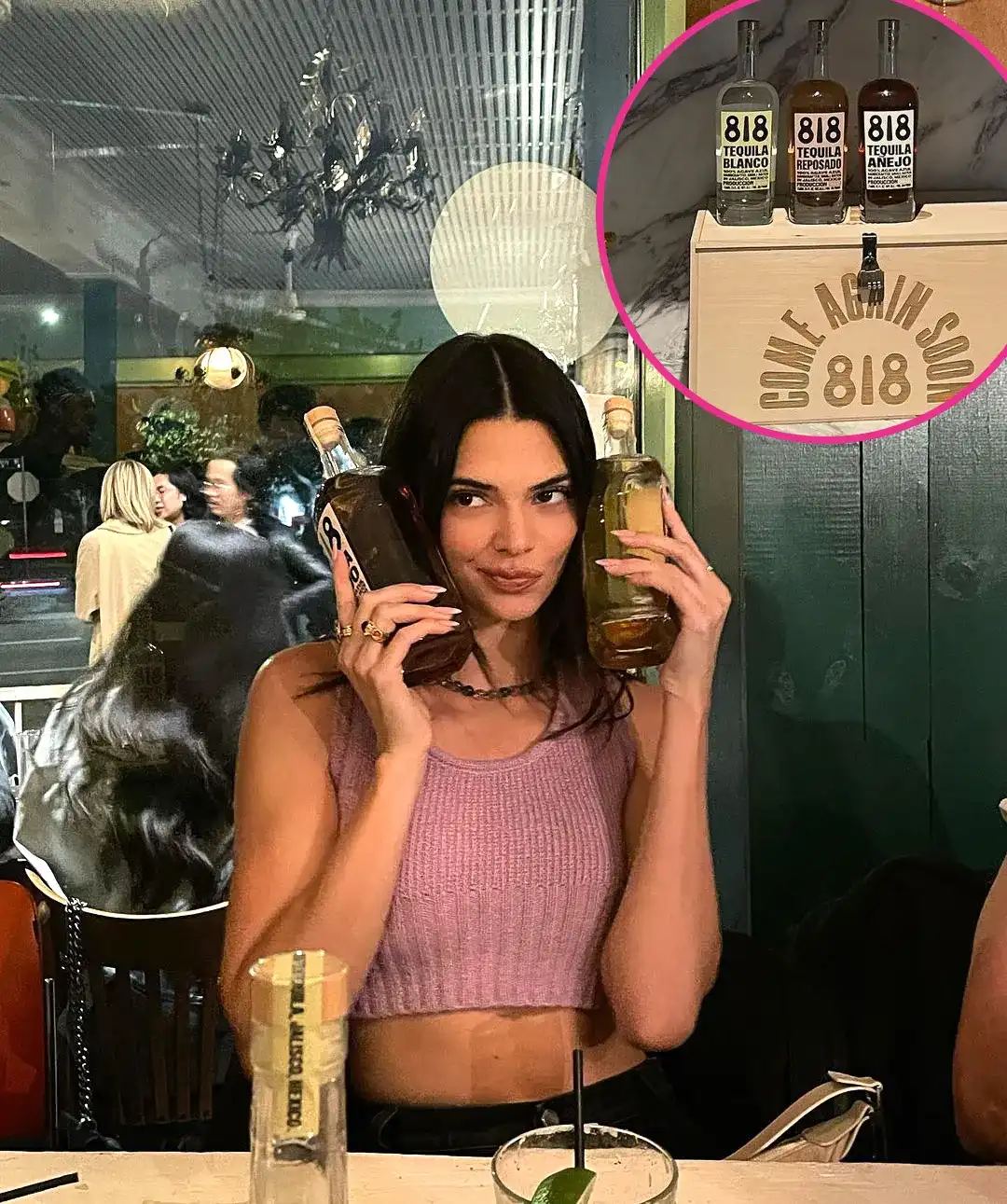
  • Why Is Every Celebrity Launching a Tequila Brand?

    Why Is Every Celebrity Launching a Tequila Brand?

    There was a time when celebrities launched perfumes, clothing lines, or questionable diet products nobody asked for. Now, apparently, every famous person in Hollywood has decided they are a tequila expert. One day an actor is winning an award, and the next day they are standing in the middle of an agave field wearing a linen shirt and talking about “craftsmanship” like they personally harvested every plant by hand.

    At this point, celebrity tequila brands are multiplying faster than reality TV spin-offs. Open social media for five minutes and someone is announcing a “premium small-batch tequila experience” with a bottle shaped like modern art and a price tag that could pay a utility bill.

    And naturally, as the internet’s most exhausted pretend old woman, I have questions.

    Why tequila specifically? Why does every celebrity suddenly discover a deep spiritual connection to agave? And why do all the commercials look like they were filmed during a luxury vacation nobody invited us to?

    Let us investigate the great celebrity tequila takeover.

    The Rise of Celebrity Alcohol Brands

    Celebrity alcohol brands are not exactly new. Over the years, famous people have attached their names to wine, vodka, whiskey, champagne, and every flavored beverage imaginable. But tequila somehow became the crown jewel of celebrity side hustles.

    The formula is now painfully predictable.

    Step one: become famous.

    Step two: disappear for six months.

    Step three: return holding a beige-colored tequila bottle while explaining how passionate you are about “bringing people together.”

    Suddenly, actors, musicians, athletes, influencers, and former reality stars all claim they spent years “perfecting” their tequila recipe. Meanwhile, the rest of us are just trying to perfect folding fitted sheets.

    The tequila trend exploded because it combines luxury branding, lifestyle marketing, and enormous profit potential. Premium tequila sales have skyrocketed in recent years as consumers became interested in higher-end spirits. Celebrities noticed the demand and immediately lined up like people fighting over clearance candles at a department store sale.

    Now the market is flooded with celebrity tequila brands that all promise authenticity, elegance, and “smooth finishes” nobody can actually describe.

    Why Tequila Became Hollywood’s Favorite Drink

    Tequila has transformed from a party drink into a luxury status symbol. Years ago, people associated tequila with loud spring break mistakes and regrettable karaoke decisions. Today, it is marketed as sophisticated, artisanal, and expensive enough to make your wallet cry.

    Hollywood loves trends that feel exclusive. Tequila fits perfectly into the celebrity lifestyle image because it can be presented as glamorous while still appearing relaxed and fun.

    Celebrities no longer want to sell products that feel cheap or overly commercial. They want brands that make them look cultured and effortlessly cool. And apparently nothing says “serious entrepreneur” like posing next to oak barrels in Mexico while talking about notes of vanilla and citrus.

    Tequila branding also photographs beautifully. The bottles are sleek, minimalist, and designed to look stunning on Instagram kitchen counters beside candles nobody lights.

    This is not an accident.

    Modern celebrity brands are built for social media first and actual drinking second.

    The Celebrity Tequila Formula Everyone Uses

    Once you notice the pattern, you cannot unsee it.

    Every celebrity tequila launch follows the exact same script.

    First comes the emotional backstory.

    “We wanted to create something meaningful.”

    “We spent years developing this product.”

    “This brand reflects our values.”

    Ma’am, respectfully, your values last month involved posting shirtless yacht photos.

    Then comes the cinematic advertisement featuring desert landscapes, expensive lighting, and attractive people laughing in slow motion while holding glasses nobody realistically pours that neatly.

    And finally, interviews appear where celebrities suddenly speak like beverage historians.

    You know the type.

    They start using phrases like:

    • hand-selected agave
    • artisanal production
    • heritage craftsmanship
    • smooth earthy notes
    • authentic experience

    Meanwhile, regular people are standing in the liquor aisle trying to remember which bottle was on sale.

    Are Celebrity Tequila Brands Actually Good?

    Now here is the uncomfortable truth.

    Some celebrity tequila brands are genuinely high quality.

    Yes, I know. I was disappointed too.

    A few celebrity-backed brands have earned strong reviews from tequila enthusiasts and industry experts. In many cases, celebrities partner with experienced distillers who already understand tequila production. The celebrity mainly provides marketing power and public visibility.

    However, other brands rely almost entirely on fame. Some bottles are all packaging and no substance. You end up paying extra money simply because a famous face smiled next to the bottle during a magazine interview.

    This is why many consumers have become skeptical of celebrity alcohol brands. People wonder whether celebrities truly care about the product or simply see tequila as another easy business opportunity.

    And honestly, after watching fifty celebrities suddenly become tequila philosophers overnight, the skepticism feels justified.

    Why Fans Keep Buying Celebrity Tequila

    Despite the jokes, celebrity tequila brands continue making enormous amounts of money.

    Why?

    Because fans love buying lifestyles, not just products.

    When people purchase celebrity tequila, they are often buying into the image attached to it. The bottle represents luxury vacations, glamorous parties, wealth, confidence, and exclusivity.

    Marketing experts understand this perfectly.

    Consumers do not just want alcohol. They want the fantasy that comes with it.

    A celebrity can sell a feeling more effectively than almost any traditional advertisement. Fans feel connected to celebrities they admire, so purchasing the product becomes part of participating in that celebrity world.

    It is the same reason people buy celebrity skincare products while knowing full well the celebrity probably has access to dermatologists that cost more than rent.

    Hope is powerful marketing.

    Social Media Made the Trend Worse

    If celebrity tequila brands existed twenty years ago, they would mostly rely on magazine ads and television commercials. Today, social media allows celebrities to constantly promote their products directly to millions of followers.

    Every vacation photo becomes an advertisement.

    Every dinner party becomes a marketing campaign.

    Every beach sunset somehow includes a strategically placed tequila bottle.

    Influencers then join the cycle by reviewing the products online, creating cocktail recipes, and posting glamorous photos that make drinking tequila look like a spiritual awakening.

    Social media transformed alcohol branding into lifestyle storytelling. And celebrities thrive in that environment because their entire careers already revolve around image management.

    Unfortunately for the rest of us, this means we can no longer scroll through Instagram peacefully without someone trying to sell us “luxury sipping experiences.”

    The Problem With Celebrity Brand Saturation

    At some point, markets become overcrowded.

    And celebrity tequila may already be reaching that stage.

    There are now so many celebrity alcohol brands that consumers struggle to remember which celebrity owns which bottle. One actor launches tequila. Another launches whiskey. A singer launches rosé. Suddenly every shelf at the liquor store starts looking like an awards show seating chart.

    This creates a branding problem.

    If everyone is selling exclusivity, nobody actually feels exclusive anymore.

    Consumers are also becoming smarter about celebrity marketing tactics. Many buyers now research whether celebrities are genuinely involved in production or simply lending their names to existing companies.

    The novelty factor is wearing off.

    People no longer react with surprise when a celebrity launches tequila. Instead, they react with exhausted acceptance.

    “Oh look. Another one.”

    The Funniest Part of Celebrity Tequila Marketing

    The funniest part is how dramatically celebrities reinvent themselves during these launches.

    An actor known for action movies suddenly becomes deeply passionate about agave sustainability.

    A pop star who once threw cakes into crowds now discusses aging barrels with the seriousness of a university professor.

    A reality TV personality who fought someone on television six months ago now speaks softly about “community” and “heritage.”

    The transformation happens instantly.

    Apparently one tequila investment turns everybody into a philosopher wearing expensive boots.

    And somehow every celebrity commercial includes:

    • horses
    • desert sunsets
    • acoustic guitar music
    • suspiciously clean white clothing
    • dramatic close-ups of pouring liquid

    Who approved this universal tequila aesthetic? Is there a secret celebrity tequila meeting where everyone receives the same marketing starter pack?

    Will the Celebrity Tequila Trend End?

    Eventually, every celebrity trend slows down.

    Consumers move on. Markets shift. New products become fashionable.

    At some point, Hollywood will probably abandon tequila and discover another luxury obsession. Perhaps celebrity olive oil brands are next. Maybe artisanal sparkling water. Nothing would surprise me anymore.

    But for now, tequila remains incredibly profitable and culturally trendy. As long as consumers continue buying the bottles, celebrities will continue launching them.

    And honestly, you almost have to admire the business strategy.

    Imagine convincing millions of people that your expensive tequila bottle represents authenticity while promoting it from a private yacht.

    That level of confidence deserves recognition.

    Final Thoughts on the Celebrity Tequila Obsession

    Celebrity tequila brands are the perfect example of modern Hollywood marketing. They combine luxury, lifestyle branding, social media influence, and consumer aspiration into one highly profitable business model.

    Some brands genuinely produce quality products. Others rely entirely on celebrity fame and beautiful packaging. Either way, the trend has become impossible to escape.

    And while the internet may continue joking about celebrities suddenly becoming tequila experts, the reality is simple: the strategy works.

    Fans buy the story. Fans buy the image. Fans buy the lifestyle.

    Meanwhile, the rest of us sit at home wondering why every celebrity now owns an agave farm.

    Perhaps one day Hollywood will discover moderation.

    But judging by current trends, tomorrow another celebrity is probably preparing a dramatic black-and-white teaser video announcing their “bold new tequila journey.”

    And somewhere, a tired old woman is already preparing her complaints.