Category: Film

  • The ‘Prestige TV’ Hangover: Are We Sure Sad People Staring Out Windows Is Peak Television?

    The ‘Prestige TV’ Hangover: Are We Sure Sad People Staring Out Windows Is Peak Television?

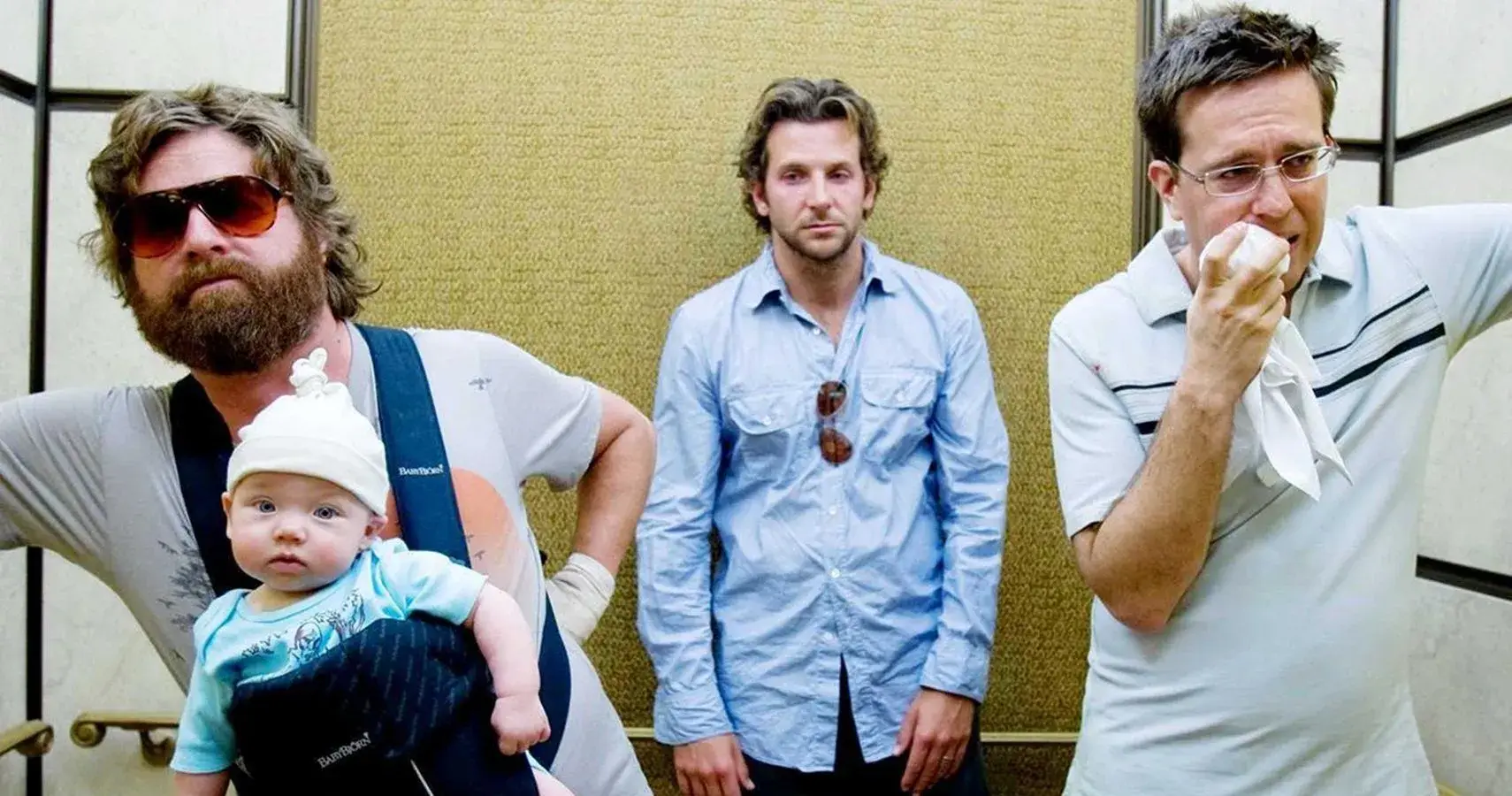
    There’s a certain look to modern television. You know the one. The screen is bathed in a color palette best described as “melancholy Tuesday.” The camera lingers, for what feels like an eternity, on a single, weighted object—a glass of whiskey, a dead bird on the pavement, a single tear tracing a path down a craggy, Emmy-nominated face. The dialogue, when it finally arrives, is whispered, as if speaking at a normal volume would shatter the fragile tension.

    This is the era of “Prestige TV.” It’s serious, it’s cinematic, and it’s often as grim as a tax audit. We’ve been told for years that this is the peak of the medium, the Golden Age where television finally grew up and became art. And it often is. But as we enter our third decade of morally gray anti-heroes and six-season slow burns, a heretical question is starting to bubble up: Are we having any fun?

    We have gorged ourselves on a feast of heavy, complex, multi-course dramas. We’ve earned our PhDs in meth manufacturing from Breaking Bad, corporate backstabbing from Succession, and medieval political science from Game of Thrones. But now, many of us are waking up with a ‘prestige TV’ hangover, clutching our heads and wondering if it’s okay to ask for a glass of water and maybe something with a little more sunlight. It’s time to question the formula and ask if sad people staring wistfully out of windows is truly the pinnacle of storytelling.

    The Prestige TV Starter Pack: An Assembly Guide

    If you wanted to create your own prestige drama, the blueprint is readily available. It’s a tried-and-true formula for critical acclaim and audience reverence.

    1. The Morally Compromised Protagonist: Your hero can’t just be a hero. They must be an anti-hero, a deeply flawed individual whose every good deed is tainted by a dark past or a troubling secret. Think Tony Soprano, Walter White, Don Draper, or Marty Byrde from Ozark. They are fascinating, but they are also emotionally exhausting to hang out with for 60 hours. They are men (and they are almost always men) who carry the weight of the world on their shoulders, and they want you to feel it.
    2. The Slow Burn Plot: This is crucial. The plot doesn’t move; it unfurls. It smolders. It marinates. An entire episode might be dedicated to a character contemplating a difficult decision. The first few episodes are often described by critics as “a little slow, but stick with it, the payoff is worth it.” This turns watching TV into a form of homework. You’re not being entertained; you’re investing in the promise of future entertainment. Sometimes that investment pays off handsomely. Other times, you realize you just spent ten hours watching a man sigh in various dimly lit rooms.
    3. The Muted Color Palette: Joy is loud. Color is loud. Prestige TV is quiet. Therefore, the color grading must be desaturated to the point of clinical depression. Ozark famously filtered its world through a bleak, blue-tinted lens that screamed “serious business.” Even sunny locations look like they’re under a permanent cloud of existential dread. It’s atmospheric, sure, but it can also feel like you’re watching a beautiful world through dirty sunglasses.
    4. The Stare into the Middle Distance: This is the signature shot. A character, overwhelmed by the thematic weight of their own narrative, simply… stops. They look past the camera, past the other characters, into the vast emptiness of their soul (or possibly at the craft services table). This stare is meant to convey volumes of unspoken emotion. It’s a powerful tool, but when used excessively, it feels less like profound introspection and more like the actor forgot their line.

    The Tyranny of the Metaphor

    In the world of prestige TV, nothing is ever just what it is. A leaky faucet isn’t a plumbing issue; it’s a symbol of the protagonist’s crumbling control over his own life. A flock of starlings isn’t a natural phenomenon; it’s a portent of doom, a metaphor for the hive-mind of corporate culture.

    This style of storytelling demands constant analysis. It invites a legion of YouTube essayists and Reddit threads to decode every frame. This can be a rich and rewarding experience, but it can also be incredibly pretentious. It creates a pressure to find meaning in everything, lest you be accused of not “getting it.” Sometimes, you just want to see a car chase without having to write a thesis on how it represents the futility of late-stage capitalism. The show winks at you, whispering, “I’m very smart,” and you feel obligated to nod along, even if you’re not entirely sure why.

    In Defense of Fun (And Why It Isn’t Dumb)

    The antidote to the prestige hangover isn’t a call for a return to simplistic, brain-dead television. The argument isn’t for less intelligence, but for more dynamism. Fun is not the enemy of depth.

    Shows like The Boys offer scathing social commentary and complex character work, but they do it with explosive action, dark humor, and a refusal to take themselves too seriously. What We Do in the Shadows is one of the most brilliantly written comedies on television, and it finds profound things to say about loneliness and found family amidst the hilarious absurdity of vampire roommates. Even a show like Ted Lasso proved that relentless optimism and sincerity could be just as compelling as cynical anti-heroism.

    These shows demonstrate that it’s possible to explore mature themes without adopting the tone of a funeral procession. They have vibrant colors, fast pacing, and moments of pure, unadulterated joy. They trust that an audience can appreciate a well-crafted story without needing to be suffocated by its importance.

    Of course, when the slow, serious style works, it’s magnificent. Better Call Saul was a masterclass in deliberate pacing, where every quiet moment built towards an explosive, emotional climax. Severance used its sterile, unsettling atmosphere to create a deeply compelling mystery. The problem isn’t the style itself, but its ubiquity and its adoption as the only path to quality.

    So let’s raise a glass (of something colorful, not whiskey) to a more balanced television diet. Let’s keep the brilliant, heavy dramas, but let’s also make room for adventure, for laughter, and for stories that move at a pace faster than a thoughtful walk. We’ve had our fill of staring out the window. Maybe it’s time to go outside and play.
  • The “Talent” Show Travesty: Where Sob Stories Trump Actual Skill

    The “Talent” Show Travesty: Where Sob Stories Trump Actual Skill

    Alright, settle in, settle in. Today’s topic is something that Brenda, bless her cotton socks, insists is “entertaining.” She calls it “reality TV,” but I call it an insult to intelligence and a gross misuse of perfectly good airwaves. Specifically, we’re talking about these dreadful “talent” shows, where apparently, a sad story and a few tears are more important than actual, discernible skill. It’s a talent show travesty: where sob stories trump actual skill, and someone, by golly, needs to speak to the producer! Welcome back to The Manager’s Desk: A Daily Dose of Disappointment.

    I remember a time when talent shows were about, well, talent. You’d see a singer who could actually sing, a dancer who could actually dance, or a comedian who could actually make you laugh without resorting to vulgarity. Think of those old variety shows, where performers honed their craft for years and delivered a polished, professional act. Now? It’s a tear-jerking competition for who can elicit the most pity, disguised as a search for the next big star. It’s a disgrace to genuine artistry, I tell you. A pure, unadulterated affront to my discerning eye!

    The Emotional Manipulation: Pass the Tissues, Not the Talent!

    Where do I even begin with the sheer manipulation? Every contestant, it seems, comes with a meticulously crafted backstory designed to make you weep into your sensible throw pillow. “Oh, my grandmother had a limp, and she always dreamed I’d sing opera, but I’ve been struggling with my self-confidence since I dropped my toast this morning.” And then they launch into a mediocre rendition of a popular song, and the judges, bless their overpaid hearts, are already tearing up before the first verse is even finished!

    It’s not about their voice; it’s about their sob story! They parade their personal tragedies across the stage like it’s a badge of honor, and the audience is supposed to vote for them out of sympathy, not because they’re actually any good. I saw one young man on a cooking show who burnt his soufflé, but then he cried about how his cat had once run away, and the judges still gave him a pass! Good heavens! My community bake-off has higher standards. If your cake is burnt, it’s burnt. We don’t care about your cat’s emotional trauma; we care about the taste of the lemon meringue!

    This emotional manipulation is sickening. It reduces human suffering to entertainment, a cheap trick to garner votes and ratings. It teaches young people that vulnerability is a performance, and that a sad story is more valuable than hard work and genuine skill. It’s exploiting people, both the contestants and the viewers, and it’s utterly distasteful. Whatever happened to judging people purely on their merits? On what they can do, not on what they’ve suffered? It’s a sad commentary on our society’s obsession with sentimentality over substance.

    The Celebrity Judges: More Ego Than Expertise

    And the judges! Oh, the celebrity judges! Half of them seem more interested in promoting their own albums or fashion lines than actually offering constructive criticism. They sit there, preening and posing, giving meaningless platitudes like, “You really put your heart out there!” or “You’re a star in the making!” even when the performance was utterly dreadful. They offer no real guidance, no genuine feedback that could actually help someone improve. It’s all just empty praise, designed to make themselves look compassionate and kind, while avoiding any actual discernment.

    And the dramatic pauses! Oh, the endless, agonizing dramatic pauses before they announce a decision! They drag it out for so long, you could knit a whole scarf in the time it takes them to say “yes” or “no.” It’s manufactured tension, a cheap trick to keep you glued to the screen, even when you know perfectly well what the outcome will be. It’s insulting to our intelligence, and frankly, quite annoying when you just want to know who’s through to the next round so you can go to bed.

    And the way they clash! The judges always have these manufactured disagreements, shouting at each other like petulant children. It’s clearly scripted, designed to create drama, but it’s utterly unconvincing. They act like they’re having a genuine argument, when in reality, they’re probably all having dinner together the next night, laughing about the ratings. It’s disingenuous, it’s tiresome, and it’s making a mockery of what should be a serious competition.

    The “Journey” Narrative: From Zero to “Hero” in Six Weeks

    Then there’s the “journey” narrative. Every contestant has to have a “journey.” They start out as a timid, unassuming individual, full of doubt and insecurity, and then through the magic of television, they “blossom” into a confident, stage-owning superstar in a matter of weeks. It’s utterly unrealistic! Real talent takes years of dedication, practice, and perseverance. It doesn’t just spontaneously appear after a few coaching sessions and a tearful confession.

    This narrative creates false expectations for young people, making them believe that fame and success are just a single “big break” away, rather than the result of sustained hard work. It promotes a culture of instant gratification and superficial transformation, rather than the true grit and resilience required for genuine artistic development. It’s misleading, it’s irresponsible, and it’s setting up countless young hopefuls for bitter disappointment when they realize that real life doesn’t come with a pre-written “journey” arc.

    The Superficial Spectacle: Flash Over Substance

    And the spectacle! These shows are less about the talent and more about the flash. Blinding lights, elaborate costumes, pyrotechnics, backup dancers doing distracting routines. It’s designed to overwhelm your senses, to hide any deficiencies in the actual performance. It’s all about the “production value,” not the genuine artistry. I’d rather hear a raw, powerful voice with no frills than a mediocre one drowning in a sea of special effects.

    It’s turning music, dance, and even cooking into a giant circus act, where the showmanship is more important than the skill. It’s a reflection of our short attention spans, our constant need for stimulation, and our inability to appreciate simple, unadorned talent. It’s shallow, it’s loud, and it’s utterly devoid of genuine substance. And the audiences, cheering and screaming like banshees, are just as complicit in this noise. My goodness, can’t they just clap politely?

    The Manager’s Verdict: A Plea for Authenticity and Actual Talent!

    So, why all this railing against these talent shows? Because, my dear readers, they are a symptom of a larger cultural illness. They prioritize manufactured emotion over genuine skill, superficial spectacle over artistic substance, and fleeting fame over lasting legacy. They teach us to value a good story more than a good performance, and that’s a dangerous path.

    My earnest plea: Demand authenticity! Demand actual talent! Demand that judges offer meaningful critique, and that contestants are judged on their abilities, not their heart-wrenching backstories. Turn off the manufactured drama, mute the incessant tears, and for goodness sake, put away the pyrotechnics!

    At The Manager’s Desk, we will continue to highlight the absurdity of these “talent” show travesties, to lament the decline of genuine artistry, and to demand a return to common sense and true meritocracy. Because if we don’t speak up, who will? Will we just let them flood our screens with endless streams of mediocre performers and their endless tales of woe? Not on my watch!Now, if you’ll excuse me, I think I heard Brenda mention a new show where people compete to see who can build the most elaborate sandcastle. Honestly, the nerve! I simply must investigate. The sheer audacity of it all! And I’m quite sure they’ll all have terribly sad stories about why sandcastles are so important to them. Humbug!