Blog

  • The Gossip Granny Gazette: A Karen’s Guide to the Absurd World of Celebrity Culture

    Welcome, my dear internet wanderers, to The Gossip Granny Gazette — your new favorite corner of the internet, where celebrity nonsense is treated with the same seriousness as an HOA violation.

    Here, I — your self-appointed Chief of Complaint Operations, Karen — will guide you through the glitter-covered circus of celebrity gossip. We’ll sip our metaphorical tea (mine’s decaf, my nerves can’t handle TikTok anymore) and dissect the ridiculous, the glamorous, and the utterly absurd world of fame.

    This isn’t TMZ. This isn’t Page Six. This is the front porch of pop culture, where we gossip, gripe, and giggle about the rich and ridiculous like it’s our full-time job.

    And oh honey, do I take my job seriously.


    Section One: The “Just Like Us” Lie

    Let’s start with the biggest scam Hollywood ever sold us: the relatable celebrity.

    Every celebrity interview starts the same way: “I’m really just a normal person.” Sure, Jan. “Normal” people don’t own three mansions, a private jet, and a golden retriever named after a French philosopher.

    The truth is, they want to seem relatable because their PR team told them to. But it’s all a performance. They’ll post a makeup-free selfie (with perfect lighting and a $300 skincare routine behind it), or a photo of them “doing laundry” (in a $4,000 outfit next to a washer that’s never seen a detergent pod).

    When a celebrity says, “I do my own grocery shopping,” what they mean is, “My assistant once followed me through Whole Foods while I pretended to know what kombucha is.”

    Meanwhile, when I go grocery shopping, it’s a war zone. I’m price-checking cereal, battling for parking, and yelling at self-checkout machines that keep saying “unexpected item in the bagging area.”

    No, darling, we are not the same.


    Section Two: The Cult of Over-Apologizing

    Ah, the modern celebrity apology — an art form in itself.

    It always starts with the words, “I’ve been doing a lot of reflecting.” No, you haven’t, Brenda. You’ve been doing a lot of panicking because your sponsor pulled out.

    Then comes the Notes App Confession. Typed in 14-point Helvetica, usually in lowercase to look “humble.” The tone is always just apologetic enough to sound genuine, but vague enough to deny responsibility.

    “My actions don’t reflect who I am.”
    Oh really? Then who do they reflect? The ghost of bad decisions past?

    And let’s not forget the “learning experience” line. “This has been such a learning experience.” You know what’s a learning experience? Getting grounded as a teenager. Not tweeting something offensive and then hiring a PR firm to clean it up.


    Section Three: The Red Carpet Hunger Games

    Red carpets are where logic goes to die.

    One star shows up wearing an outfit made entirely of latex and hope, another in a dress that could double as a car cover, and somehow, they all get called “breathtaking.”

    No, honey, that outfit is breathtaking — in the sense that I can’t breathe from laughing so hard.

    Every red carpet interview goes like this:

    • Reporter: “Who are you wearing tonight?”
    • Celebrity: “Oh, just something my dear friend designed for me.”
      Translation: “It took twelve people, six months, and one animal rights violation to make this outfit.”

    And then there’s always that one celebrity who shows up in jeans and calls it “a statement.” Yes, it’s a statement — it says, “I gave up.”


    Section Four: Celebrity Diets and Detoxes

    Let’s be honest: celebrities treat food like it’s a spiritual ritual.

    They’ll go on morning talk shows and say things like, “I start every day with hot lemon water, meditation, and gratitude.”

    When I start my day, it’s with cold coffee and existential dread.

    And these “detox” trends! Charcoal smoothies, celery juice cleanses, water blessed by moonlight — it’s gotten out of hand. One actress recently said she “only eats beige foods.” Beige foods? What does that even mean? You’re not a minimalist Pinterest board; you’re a human being.

    Then they all swear, “I don’t believe in dieting.” Of course you don’t, because your personal chef does it for you.


    Section Five: Influencers — The New Nobility

    Remember when being famous required talent? What a quaint little time that was.

    Now, all you need is a ring light, a dramatic hand gesture, and the ability to say, “You guys, I literally can’t,” fifteen times in one sentence.

    Influencers have turned existing into a brand. They cry on camera about being “so grateful” while promoting collagen powder and pretending it’s life-changing.

    “Hey guys, I just wanted to hop on here and say I’ve been struggling lately… but also, here’s a 20% off code for tummy tea!”

    It’s spiritual whiplash.


    Section Six: Celebrity Activism (Bless Their Hearts)

    Oh, celebrities love a good cause — as long as it comes with a photoshoot.

    “I’m raising awareness about global poverty,” they say, while wearing a diamond necklace worth more than a small village.

    And those “moving” black-and-white PSAs where 30 celebrities say random words into the camera like,
    “I.”
    “Take.”
    “Responsibility.”

    No you don’t, Jason. You take private jets.

    The road to Hollywood heaven is paved with well-intentioned Instagram posts.


    Section Seven: Baby Names and Branding Opportunities

    Somewhere along the line, celebrity children stopped being people and became brand extensions.

    We used to have Michael and Sarah. Now we have Apple, Psalm, Bear Blaze, Pilot Inspektor, and X Æ A-12. These kids sound less like humans and more like discontinued IKEA furniture.

    You can practically hear the future playground roll call:
    “Apple? Here.”
    “Wolf?” “Howl!”
    “X Æ A-12?” Bluetooth connection failed.

    And you know there’s a business strategy behind it. Those names are trademarked before the kids can crawl. Apple could drop a skincare line before preschool.


    Section Eight: Hollywood Relationships — A Soap Opera Marathon

    Celebrity relationships move faster than a rumor at brunch.

    They meet on set, post a soft-launch photo of matching shoes, and three weeks later they’re giving joint interviews about “how they knew it was destiny.”

    Destiny? Sweetheart, you’ve known each other for one lunar cycle.

    Then, when it falls apart, it’s always “a conscious uncoupling.” No one ever just breaks up anymore. They evolve separately. Translation: “We fought over who got the good Wi-Fi.”

    And heaven forbid they have a public breakup — the fans pick sides, the tabloids explode, and suddenly every grocery store checkout aisle becomes a battlefield of “sources close to the star.”


    Section Nine: The Met Gala Circus

    If the red carpet is chaos, the Met Gala is full-blown delusion.

    Every year there’s a theme — “Heavenly Bodies,” “Camp,” “Gilded Glamour” — and every year, half the attendees ignore it completely.

    You’ll have one person dressed as a saint, another as a lampshade, and someone else in sweatpants “ironically.”

    And somehow the commentary is always the same: “They understood the assignment.
    No, they didn’t. They cheated off the kid next to them and still got a D+.


    Section Ten: The Reality of Reality TV

    Reality TV stars are the modern philosophers of our age. They give us wisdom like:

    • “I’m not fake, I’m just real in a way you can’t handle.”
    • “I don’t start drama, I just finish it.”
    • “My haters are my motivators.”

    Congratulations, you’ve invented the world’s most toxic motivational calendar.

    And yet, I can’t look away. These people fight, cry, throw drinks, and make up — it’s the chaotic energy I live for. Watching them reminds me that no matter how messy my life is, at least I’m not arguing about contouring on national television.


    Section Eleven: The Award for Most Dramatic Existence Goes To…

    Celebrities love to describe every role as “the most transformative experience of my life.”

    Calm down, it’s a superhero movie. You wore spandex and pretended to fly. Gandhi, this is not.

    They’ll also say things like, “I lived as my character for six months.” Great, but did your character pay bills, sit in traffic, or argue with customer service about a broken blender? No? Then you didn’t live as your character. You just made everyone on set miserable.


    Section Twelve: Why We Can’t Quit Them

    Here’s the thing — I mock, I nag, I roll my eyes until they hurt… but I love it. I love the chaos, the nonsense, the over-the-top delusion of celebrity culture.

    Because behind every dumb headline and every glittery scandal, there’s something comforting. It reminds us that even people with all the money in the world can still be hot messes.

    Celebrities are living proof that you can have fame, fortune, and a personal stylist — and still make the world collectively go, “What on Earth were you thinking?”

    They’re the drama we don’t admit we need.


    Final Sip of Tea: Karen’s Closing Remarks

    So yes, I complain. I critique. I mock them mercilessly. But it’s all done with love — or at least, the closest thing to love a woman with a bob haircut and a “Can I speak to your manager?” energy can muster.

    Because deep down, we all need the glitter, the gossip, the chaos. It keeps us entertained, it gives us something to talk about, and it makes us feel delightfully normal in comparison.

    So here’s to the celebrities — may they continue to over-share, under-think, and keep giving me something to complain about.

    Because as long as there’s fame, there will always be gossip.
    And as long as there’s gossip, there will always be me —
    Karen, patron saint of eye-rolls, your gossip guide, your sass guru, and the internet’s most judgmental friend.

    Now, if you’ll excuse me, I have to go yell at someone about my Wi-Fi bill.
  • That Night at the Oscars: When Ryan Gosling’s Laugh Spoke Volumes

    That Night at the Oscars: When Ryan Gosling’s Laugh Spoke Volumes

    In the annals of Academy Awards history, few moments are as surreal, unforgettable, or widely replayed as the Best Picture mix-up at the the 2017 Oscars. La La Land was mistakenly announced as the winner — only for the error to be corrected minutes later, revealing Moonlight as the actual winner.

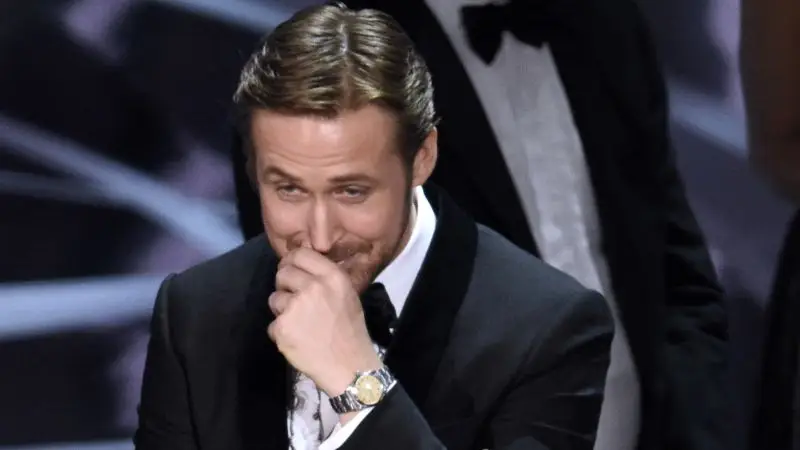
    Amid the shock, one image stood out: Ryan Gosling, seated among the La La Land cast, visibly trying—and failing—to suppress laughter. Why did he react that way? What was going through his mind? And how has that reaction since become part of the mythology of that night?

    Let’s rewind, revisit, and reflect.


    Setting the Stage: Oscars 2017, La La Land, and Moonlight

    The 89th Academy Awards took place on February 26, 2017, at the Dolby Theatre in Hollywood, hosted by Jimmy Kimmel. Wikipedia The year was already notable: La La Land, the modern musical with Ryan Gosling and Emma Stone, had tied the all-time record for Oscar nominations (14) and was considered a strong favorite for many major awards. Wikipedia+2Wikipedia+2 Meanwhile, Moonlight, a smaller, deeply human drama, had earned serious critical acclaim and was in strong Oscar conversations as well. Wikipedia+2Wikipedia+2

    That night, La La Land won six Oscars overall, including Best Director, Best Actress, Best Original Score, Best Original Song, Best Cinematography, and Best Production Design. Wikipedia+2Wikipedia+2 But the biggest prize, Best Picture, was initially and mistakenly called as La La Land — an error that would become one of the most talked-about moments in awards show history. Wikipedia+4Pitchfork+4Wikipedia+4

    When presenters Warren Beatty and Faye Dunaway opened the envelope and declared La La Land the winner, confusion rippled through the audience. But soon, as acceptance speeches began, crew members rushed the stage. It became evident that the wrong envelope had been given, and in short order, the producers of La La Land were told the real winner was Moonlight. Wikipedia+2Pitchfork+2

    Jordan Horowitz, one of the La La Land producers, famously intervened mid-speech: “I’m sorry, there’s been a mistake.” He then held up the correct card that read Moonlight. Wikipedia+2Pitchfork+2 The audience, stunned, watched as Moonlight’s team hurriedly mounted the stage to accept their award. WIRED+2Wikipedia+2

    The sequence of events was chaotic, emotional, and dramatic — a perfect storm of human error, high stakes, and televised spectacle. And in the eye of that storm sat Ryan Gosling, trying to process it all.


    Ryan Gosling’s Reaction: Why He Laughed

    Photos and video from the moment show Gosling with a mixture of disbelief and confusion. Mid-gag, he’s seen covering his mouth, trying to compose himself, while others around him seem stunned, anxious, or speechless. That reaction quickly became a viral image, sparking memes, commentary, and curiosity.

    Over time, Gosling offered his own explanation for that laughter — and it wasn’t mockery or smug triumph. According to interviews, what he experienced was a swirl of panic, relief, and raw emotional release.

    As he told The Guardian and others:

    “I was watching people start to have this panicked reaction in the crowd… guys were coming on with headsets and I felt like someone had been hurt.” The Guardian+1
    “I thought there was some kind of medical situation, and I had this worst-case scenario playing out in my head.” The Guardian+1
    “And then I just heard Moonlight won and I was so relieved that I started laughing.” The Guardian+2Variety+2

    In other words: in the span of seconds, he shifted from fear (something was gravely wrong) to relief (no one was hurt, and the real winner was being acknowledged). That emotional pivot triggered the laughter.

    He also insisted he had no ill will toward the night’s outcome, saying:

    “Truthfully, I was also so thrilled that Moonlight won. It’s such a groundbreaking film… I’m so happy for them that they were being recognized.” The Guardian+1

    Even in that moment of bewilderment, Gosling’s reaction carried a level of respect, humility, and emotional authenticity.


    The Layers Behind That Laugh

    Gosling’s laughter resonated so powerfully in part because it felt human. In a room full of polished celebrities and high production values, here was someone visibly unraveling — uncertain, emotional, vulnerable. That contrast made the moment hauntingly real.

    Let’s unpack what makes that reaction especially potent:

    1. Relief Amid Uncertainty

    In a high-stakes situation like the Oscars, where expectations run high and reputations are on the line, anything abnormal can feel catastrophic. For Gosling, the sudden scramble (crew rushing, presenters confused) looked like an emergency. When he realized it was a procedural mess, not a collision or medical crisis, the release was visceral.

    2. Empathy for the Moment

    Everyone in that room — from the La La Land team to the presenters and the Moonlight creatives — was under intense pressure. Gosling’s laugh, rather than insinuating triumph, signaled recognition of how overwhelming and absurd the moment was for everyone.

    3. Acknowledgment of What Should Be

    Gosling’s reaction also subtly reflects his understanding: Moonlight deserved the award. His delight for their win, expressed in interviews, suggests his laughter was not gloating but genuine emotional release — in part because things ended more fairly than they had begun. The Guardian+1

    4. Vulnerability in Performance

    Actors, especially ones as practiced and poised as Gosling, are adept at masking raw emotion. That night, though, the curtain briefly slipped. It reaffirmed that even celebrity images can fracture under pressure — and sometimes the authentic reaction is the one people remember the most.


    How That Moment Redefined a Night

    The La La Land/Moonlight mix-up was already destined for Oscar lore. But Gosling’s laugh became a visual anchor — a reminder that for all the glamour, humans were at the center of this spectacle.

    That moment has been revisited in retrospectives, awards show memes, Instagram posts, and pop culture essays. It’s also often used as shorthand to show how unpredictable live TV, high emotion, and human error can collide.

    That said, Gosling’s reaction didn’t overshadow the real story — Moonlight’s win, or the conversation about representation, storytelling, and recognition in Hollywood. If anything, his laughter humanizes the event, reminding us that even stars grapple with confusion, embarrassment, and release.


    Why That Laugh Still Matters

    Several years later, the image of Gosling suppressing laughter remains so striking because it captures so much:

    • A moment of emotional truth: Rather than a rehearsed reaction, it feels spontaneous and unguarded.
    • Contrast to the polished veneer: Awards shows are meticulously produced. This was a flaw — and it became the most unfiltered moment of the night.
    • A reminder of what awards can’t contain: No matter how tightly scripted, events with humans in them can unravel.
    • Legacy and conversation starter: The fallibility of the Oscars, the gravity of recognition, and the humanity of artists are all underscored in that laughter.

    Behind the Scenes: Errors, Accountability, and Aftermath

    To understand fully why the mistake happened, and how the actors and Academy handled it, it helps to revisit the circumstances.

    The root cause: the presenters were handed the wrong envelope — they opened Emma Stone’s Best Actress winner card instead of the Best Picture card. The Guardian+5Pitchfork+5WIRED+5 That error triggered confusion, hesitation from Warren Beatty (who paused significantly before calling La La Land), and ultimately chaos. Wikipedia+5Wikipedia+5WIRED+5

    When it became clear something was wrong, the La La Land team had already begun giving acceptance speeches. Oscar crew members and production staff rushed the stage, took the envelopes, and the error was corrected. Wikipedia+3Wikipedia+3WIRED+3 Jordan Horowitz’s assertion — “there’s been a mistake” — and his on-camera reveal of the correct card have become defining moments of the mishap. Wikipedia+2WIRED+2

    PricewaterhouseCoopers (PwC), the accounting firm responsible for tallying Oscars results and handling the envelopes, issued an apology. Their partners involved — Brian Cullinan and Martha Ruiz — were barred from involvement in future Oscars ceremonies. Wikipedia+3Pitchfork+3WIRED+3

    In the wake of the incident, many called for stricter protocols, redundancies in presentation, and public awareness of how small missteps can cascade into large spectacle. The Academy and production teams largely took the fall, and the night is often cited as a cautionary tale in live television production.


    A Lasting Legacy: Laughs, Awards, and Memory

    Years later, when people reference the “night La La Land almost won Best Picture,” often the first mental image isn’t the award card or the speeches — it’s Gosling’s smile, his hands covering his face, the tension in his composure. That laugh encapsulates disbelief, restlessness, and humanity all at once.

    What we can take away:

    • Spectacle and humanity intertwine. No matter the glitz, real emotions can dismantle perfect facades.
    • Acknowledgment of truth matters. In a night of confusion, the right film was eventually honored — and that rescue matters.
    • Sometimes authenticity is in the small moments. Big awards, big speeches — but the moments people remember often come in between.

    So yes — Ryan Gosling’s laughter was more than a reaction in that instant. It became a symbol: of pressure, of the fragility of performance, and of how the best stories sometimes emerge in the unplanned breaks.

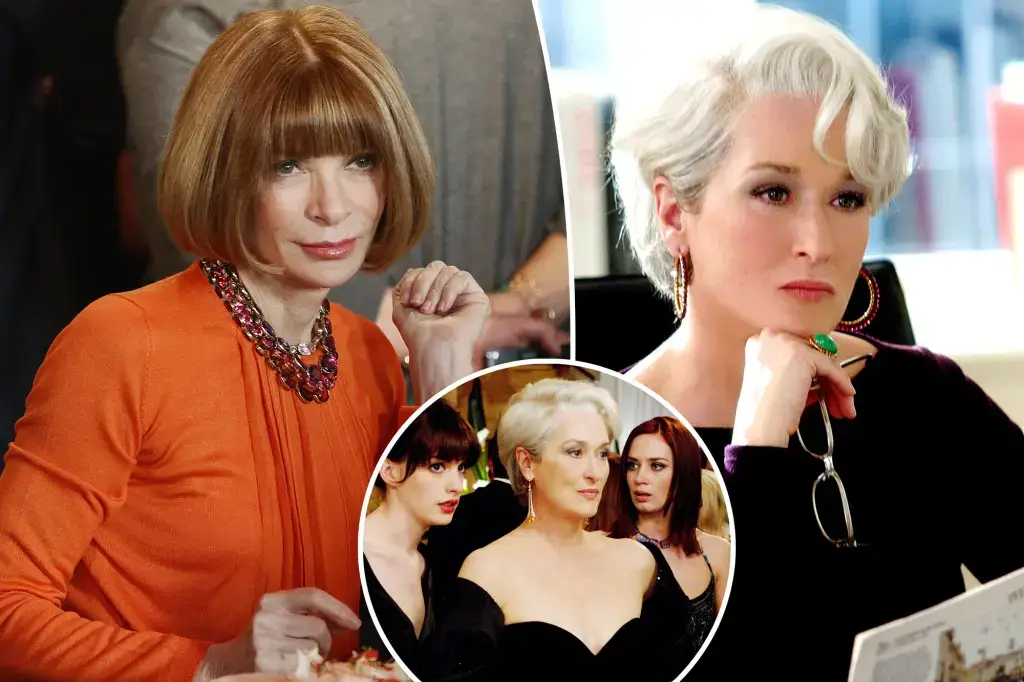
  • Anna Wintour Admits She Found The Devil Wears Prada “Highly Enjoyable” — and Actually Funny

    Anna Wintour Admits She Found The Devil Wears Prada “Highly Enjoyable” — and Actually Funny

    When The Devil Wears Prada premiered in 2006, it didn’t just capture the imagination of moviegoers—it also prompted countless comparisons to Vogue’s legendary editor-in-chief, Anna Wintour. For years, Wintour remained mostly silent or circumspect about how she felt about the film’s portrayal of a high-powered magazine world. But in a recent public discussion, the 75-year-old fashion icon surprised many by admitting she enjoyed the film—and found it genuinely funny.


    The Context: Fiction, Inspiration, and the Burden of Comparison

    To understand why Wintour’s remarks are notable, we need to revisit the story behind The Devil Wears Prada. The film is based on Lauren Weisberger’s 2003 novel of the same name, which itself was widely interpreted as drawing from Weisberger’s experience as an assistant (or former assistant) in the fashion magazine world. While Weisberger has said the book was not a direct memoir and that she drew from multiple influences, readers immediately associated the cold, demanding editor Miranda Priestly with Wintour. SlashFilm+3Wikipedia+3Wikipedia+3

    When the film adaptation was released, its depiction of the ruthless but glamorous magazine industry—along with Meryl Streep’s unforgettable performance—cemented The Devil Wears Prada as a cultural touchstone. Still, for Wintour, whose public persona is often seen as austere and distant, the film posed a delicate question: Would she embrace it, reject it, or remain guarded?

    Over the years, she often gave noncommittal responses. In earlier interviews, Wintour called the movie “entertainment” and said it was “not a true rendition of what happens within this magazine.” SlashFilm+2British Vogue+2 She declined to explicitly confirm whether she shared traits with Miranda Priestly, remarking that such judgments are for “the audience and the people I work with” to decide. People.com+1


    Wintour’s Surprising Take: “Highly Enjoyable,” “Very Funny,” and a Fair Shot

    In a new revelation, Wintour broke her long silence and openly shared how she now views the film. In a recent episode of The Run-Through with Vogue podcast (via The New Yorker Radio Hour), she reflected on her reactions to the movie—with a tone of genuine amusement and acceptance. The Guardian+2People.com+2

    Wintour confessed that she walked into the film’s premiere “wearing Prada, completely having no idea what the film was going to be about.” People.com+1 She acknowledged concerns from insiders in the fashion world that the film might portray her harshly or unfairly. But rather than bristle, she said:

    “I found it highly enjoyable and very funny.” The Guardian+2People.com+2
    “It had a lot of humor. It had a lot of wit. It had Meryl Streep … and I, in the end, I thought it was a fair shot.” People.com+2Cinemablend+2

    She also noted that she frequently discusses the film with Prada designer Miuccia Prada, quipping, “I say to her: ‘Well, it was really good for you.’” The Guardian+1

    By calling it a “fair shot,” Wintour concedes that while the film is exaggerated and stylized, it captures enough truth—through performance, tone, or broader sentiment—to merit respect. Her choice of words is telling: she doesn’t reject the portrayal outright but frames it as a somewhat caricatured but artful version of the fashion world’s extremes.


    Why Her Reaction Matters

    For decades, Wintour cultivated a mystique. Her signature bob, dark sunglasses, and carefully metered public persona made her both venerated and intangible. To many, she embodied the real-life basis for Miranda—impenetrable, commanding, aloof. Wikipedia+2British Vogue+2 By contrast, The Devil Wears Prada gave viewers a dramatic, often brutal, inside look at the pressures, power plays, and relationships in fashion.

    Wintour’s decision to embrace the film (rather than dismiss or distance from it) subtly shifts the narrative. Here are a few reasons why her stance carries weight:

    • It humanizes her. Accepting humor directed at one’s self is a sign of confidence. Instead of recoiling at caricature, Wintour acknowledges it with grace.
    • It lends legitimacy to the film’s ambition. Calling the movie “very funny” and “a fair shot” affirms that it wasn’t merely a sensationalist takedown but a thoughtful, satirical representation.
    • It rewires public perception. For critics or fans who once dismissed the film as glib or unfair, Wintour’s verdict undermines that stance.
    • It dampens illusions. Wintour has long been cast as the untouchable fashion queen. Her comments suggest she sees more nuance behind the glare.

    Did the Film Hit Too Close to Home?

    Naturally, many wondered whether the film’s portraits stung—even slightly—for Wintour. After all, Miranda Priestly is a demanding, often merciless boss. Did she ever feel mischaracterized or hurt?

    In past interviews, Wintour maintained distance. She once remarked that she doesn’t always make “warm and cuddly” decisions, and sometimes colleagues don’t hear the answer they’d like—but that’s part of leadership. The Tab In an earlier British Vogue piece, she was described as “bemused” by the film rather than angered. SlashFilm+1 In Anna: The Biography, author Amy Odell recounts that Wintour initially told a Vogue editor she didn’t remember the author of the novel—a remark that seems more dismissive than defensive. SlashFilm

    What stands out now is that Wintour no longer seems compelled to guard her reputation so carefully. By choosing to applaud The Devil Wears Prada as an entertaining, witty depiction—while acknowledging its caricature—she signals a comfort with self-reflection few maintain in public life.


    The Impact on the Film’s Legacy

    Since its release, The Devil Wears Prada has become more than just a fashion comedy-drama; it’s a cultural touchstone, a shorthand for workplace power dynamics, ambition, identity, and compromise. In the years since, it’s been cited in articles about corporate culture, women in leadership, and the sacrifices demanded in high-stakes creative industries.

    Wintour’s new commentary cements the film’s legitimacy—and it may shift how future audiences interpret it. Instead of seeing it solely as a pointed critique, one might see it as a stylized satire with its own merits, intentionally exaggerated yet grounded in kernels of truth.

    Her remarks may also encourage others in her world—fashion insiders, journalists, executives—to be more open about how art depicts them, whether in admiration, critique, or parody. In effect, Wintour’s open-minded reaction may embolden more honest dialogue between real-life subjects and their fictional representations.


    What Wintour’s Reaction Tells Us (and What It Doesn’t)

    What it reveals:

    1. A sense of humor. Her delight in its wit shows that she can step back from her own mythos and appreciate the artistry of others.
    2. Perspective and resilience. She frames The Devil Wears Prada as a film, not a threat, and doesn’t seem rattled by its barbs.
    3. Confidence in her legacy. By not insisting the portrayal be “correct,” she implies she already owns her narrative.
    4. A willingness to engage. Her participation in this recent interview signals a shift from guarded to more open expressions.

    What it doesn’t settle:

    • Exact similarities. She still leaves comparisons between her and Miranda Priestly to others to judge. People.com+1
    • All past feelings. It’s unclear what she might have thought privately when the film first came out or when the novel circulated.
    • Any personal offense. While she frames the film kindly, she doesn’t explicitly say she was never hurt—it’s more that she’s unconcerned now.

    A Final Word: She Wears Prada, But She Took the Joke

    It’s ironic—and revealing—that the woman long associated with an icy, untouchable image now embraces a film that caricatured such traits. By calling The Devil Wears Prada “highly enjoyable” and “very funny,” Anna Wintour demonstrates a rare ability for self-distance, a mark of maturity and public grace.

    Wintour’s stance may not reconcile every criticism, but it reframes the conversation. Rather than a defensive posture against caricature, she offers a disarming wink: Yes, you can laugh. And maybe there’s more than a little truth in the joke.

  • Celebrity Puzzle Pieces: When Everything Doesn’t Fit

    Celebrity Puzzle Pieces: When Everything Doesn’t Fit

    Darling, celebrities are a lot like puzzle pieces — each event, performance, or outfit should fit neatly into the big picture of their public persona. But lately, it feels like some of them have lost the box lid, and we’re left staring at mismatched shapes wondering, what even is going on?

    This is where I, Karen — your unfiltered fashion, gossip, and life critic — come in. I’m here to dissect two of the most puzzling celebrity phenomena of 2025: Kanye West’s Sunday Service concerts and Taylor Swift’s Eras tour. These spectacles are like glitter-coated puzzle pieces shoved into boxes they don’t belong to. Sweetie, grab your monocle and let’s take a look.


    Kanye West’s ‘Sunday Service’ Concert: Gospel Meets Chaos

    Kanye West’s Sunday Service concerts have become infamous, darling. They are part spiritual revival, part Kanye theater, and part chaotic spectacle. He took what should be a religious experience and turned it into a multi-hour production — complete with choir singers, gospel renditions of his own hits, and Kanye himself acting like a cross between Moses and the world’s most dramatic MC.

    The Background

    Launched in January 2019, Sunday Service was Kanye’s attempt to merge music, faith, and community. By 2025, it had evolved into something that defies easy description. These events have been hosted in locations from Coachella to the Coachella desert to stadiums that rival Madison Square Garden. But the spectacle has left audiences scratching their heads.

    Public Reception

    The response has been mixed, darling. Some attendees call it “a spiritual awakening” — others call it “a very expensive church service with questionable theology.” Critics argue that it’s more spectacle than substance, while fans swear it’s transformative. But Karen? I’m less convinced.

    Karen’s Take

    “Sweetie, if I wanted to see a spectacle, I’d go to a circus,” I said after watching the last performance streamed online. And it’s true. Kanye’s Sunday Service feels less like a unified piece of art and more like a variety show where the pieces don’t quite match.

    From a Karen standpoint, Kanye’s concerts are like ordering a salad and getting dessert, a magic show, and a TED Talk all in one plate — and not in a good way. His blending of gospel with rap and his tendency to deliver impromptu monologues leaves some feeling inspired, but others simply confused.

    The Puzzle Problem

    The question is: should Sunday Service be a religious experience, a concert, or a celebrity stunt? Kanye seems to want it all, but that’s like trying to fit a square peg into a round hole. And when the spectacle overshadows the soul of the event, darling, it’s no longer harmonious — it’s a mismatched puzzle piece.

    Karen’s advice? “Kanye, pick a lane, sweetie. Gospel deserves reverence. If you want a spectacle, go headline a circus tent. But don’t try to do both at once.”


    Taylor Swift’s ‘Eras’ Tour: Nostalgia Meets Commercialism

    Now let’s talk about another puzzler: Taylor Swift’s Eras tour. If Kanye’s service is a chaotic gospel puzzle, Taylor’s tour is nostalgia with a side of commercial overload. And yes, darling, Karen has thoughts.

    The Background

    The Eras tour is Taylor Swift’s ambitious retrospective, designed to celebrate her musical evolution from country sweetheart to pop icon. It spans her entire career, with elaborate stage designs, costume changes, and hours of performance. Fans gush, critics debate, and the internet explodes with discussion.

    Public Reception

    Many have applauded Taylor for crafting a masterclass in live performance and fan engagement. But others question whether the Eras tour is more about nostalgia than artistry. Some accuse it of being a meticulously packaged commercial event — and Karen tends to agree.

    Karen’s Take

    “Darling, if I wanted to relive the past, I’d watch reruns of Friends, not a concert,” I say with my usual sharpness. Taylor’s tour is dazzling, yes. But the spectacle comes with a hefty price tag — and plenty of merch.

    While her fans swoon over costume changes and setlist surprises, Karen notices that it feels like a puzzle where some pieces are missing. There’s beauty, but there’s also a calculated marketing machine at work. It makes you wonder whether the Eras tour is more about artistry or about selling another wave of merch, deluxe editions, and VIP experiences.

    The Puzzle Problem

    Taylor’s show is a blend of art and nostalgia, but the commercial element makes it tricky. It’s like trying to fit together puzzle pieces from different boxes: the music and emotional storytelling belong to one puzzle, but the merch and ticket packages belong to another. And sometimes they just don’t match.

    Karen’s advice to Taylor? “Sweetie, nostalgia is powerful — but don’t let the commercial glitz overshadow the music. Stick to the art, and the puzzle will fit.”


    The Bigger Picture: Celebrities and Puzzle Pieces

    These two examples — Kanye’s Sunday Service and Taylor’s Eras tour — illustrate something important about modern celebrity culture: events are increasingly becoming mismatched puzzle pieces. Celebrities want spectacle, spirituality, nostalgia, artistry, and profit all in one package. But the truth is, darling, not every piece belongs in the same puzzle.

    Karen believes that art, performance, and celebrity culture can be beautiful when each piece has its place. When the pieces clash, however, it leaves us with confusion instead of awe. And that’s exactly what we’ve seen in recent years.


    Closing Thoughts from Karen

    Darling, the celebrity puzzle is complicated, and not every piece fits neatly. Kanye’s Sunday Service is a spectacle without clear boundaries. Taylor Swift’s Eras tour is a dazzling nostalgia trip tangled with commercial ambition. Both are ambitious — and both leave Karen shaking her head.

    Sometimes, sweetie, less is more. And in the puzzle of celebrity culture, a missing piece might just be good taste.

  • Darling, This Isn’t Fashion — It’s a Tragedy: A Karen’s Take on the Latest Red Carpet Disasters

    Darling, This Isn’t Fashion — It’s a Tragedy: A Karen’s Take on the Latest Red Carpet Disasters

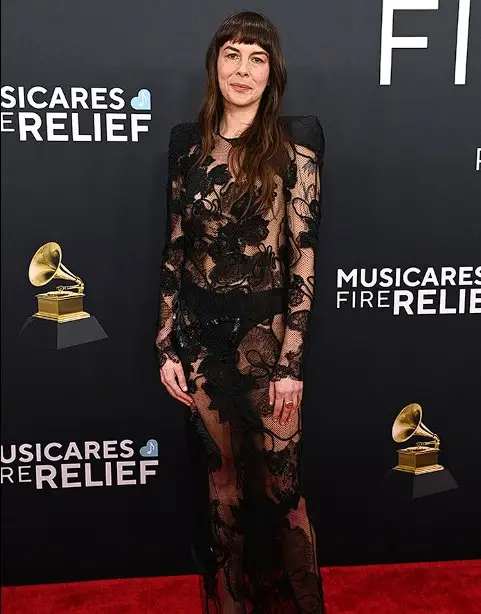
    Oh, sweetie, what happened to the days when celebrities graced the red carpet with elegance and poise? Now, it seems like the goal is to shock and confuse. As your self-appointed fashion critic, I’m here to guide you through the most bewildering fashion choices of 2025. Buckle up, darling; it’s going to be a bumpy ride.


    The Rise of Red Carpet Ridiculousness

    Once upon a time, the red carpet was a place where elegance reigned supreme. Grace, poise, and a gown that made you gasp. Now? It’s a free-for-all of fabric experiments that look like leftover costumes from a school play gone wrong.


    Karen’s Hall of Fame: Red Carpet Offenders

    1. The “What Even Is That?” Award

    Nothing says “I’m trying too hard” like wearing something that looks like it was designed during a sleepwalking session. If your dress requires a Pinterest tutorial to understand, darling, you’ve already lost.

    Example: Celebrity Y at the Glam Awards — a neon ensemble shaped like… I don’t know… a jellyfish? Karen says: “Speak to your designer, darling. Or better yet, your manager.”

    2. The “Show Me More Skin” Award

    Yes, sweetie, revealing gowns are a thing — but there’s a line. Some celebs are crossing it faster than you can say “wardrobe malfunction.” A slit that goes to your belly button? Darling, we don’t need to see everything. This is a red carpet, not a beach.

    Example: Celebrity Z — a dress so revealing it could cause a medical emergency. Karen says: “Put some fabric on that bod and call it a day.”

    3. The “I Didn’t Read the Dress Code” Award

    Some gowns just scream “I didn’t read the memo.” Floor-length velvet at a casual movie premiere? Darling, what are you even thinking? It’s not a coronation — it’s a publicity stunt.

    Karen says: “A dress code isn’t optional. It’s polite.”


    The “Back in My Day” Moment

    Back in my day, a dress was a dress. No feathers, no glitter explosions, no avant-garde “what the heck am I wearing?” moments. A gown was about sophistication, not shock value. But these days, darling, sophistication seems to have gone missing, possibly hiding under a pile of fabric scraps.


    Karen’s Fashion Advice for Celebrities

    If I had the honor of whispering into your stylist’s ear before a big event, here’s what I’d say:

    1. Know your audience — If it’s a movie premiere, elegance wins. Save the glitter explosions for… glitter balls.
    2. Comfort matters — If you can’t walk without tripping over your gown, honey, it’s not a look, it’s a liability.
    3. Stick to timeless classics — Black, gold, or deep jewel tones never go out of style. Unless your goal is to be the punchline of the evening.
    4. Less is more — Over-accessorizing is a crime. Sparkle should whisper, not scream.

    A Few Recent Red Carpet Disasters (That Karen Couldn’t Ignore)

    Here’s a roundup of outfits that made Karen clutch her pearls this season.

    The Glitter Gown Gone Wrong

    One star showed up in what appeared to be a disco ball nightmare. It was glitter, glitter everywhere — and not a hint of elegance. Karen says: “Darling, there is such a thing as too much shine. That’s called a fashion crime.”

    The Curtain Call

    Another celebrity arrived in an outfit that looked suspiciously like drapes from a 1970s living room. Karen says: “We’re here for fashion, not interior design.”

    The Over-The-Top Slit

    And then there was the gown with a slit so high, I needed a passport to see it all. Karen says: “Honey, modesty isn’t dead. It’s just hiding somewhere under that fabric.”


    The Karen Perspective: Why We Need Fashion Critique

    Fashion critique is essential, darling. Without it, we end up with an unending parade of chaos masquerading as style. My naggy perspective is here to keep celebrities grounded — and remind them that sometimes, the best accessory is good taste.


    Closing Thoughts from Karen

    Darling, fashion is an art — but it’s also a conversation. And right now, that conversation is dominated by questionable fabric choices and outfits that leave us asking: “Why, dear, why?”

    This is why I, Karen, exist. To speak the uncomfortable truth. To critique with sass and style. And to remind the world that elegance never goes out of fashion.

    So, next time you’re preparing for the red carpet, remember: speak to your manager. And your stylist. Preferably both.

    Because darling… this isn’t fashion. It’s a tragedy.

  • Horrible Customer Mistakes The Comedian For The Waiter — So They Get Dealt With In A Hilarious Way

    Horrible Customer Mistakes The Comedian For The Waiter — So They Get Dealt With In A Hilarious Way

    In the world of live comedy, unexpected moments can turn into gold. A quick-witted comedian thrives on spontaneity, but sometimes real-life absurdity becomes the best material of all.

    A recent story shared on Reddit’s popular subreddit r/IDontWorkHereLady perfectly illustrates this idea. A comedian, performing at a local comedy bar, was mistaken for a waiter by a customer — and instead of walking away, they turned the mix-up into an unforgettable comedic performance.

    What followed was a sequence of events that not only entertained the audience present that night but also resonated with internet audiences worldwide. This story quickly went viral and has become a staple example of how humor can transform awkward customer service encounters into legendary moments.

    In this article, we’ll break down the incident, explore why it went viral, and highlight the lessons it teaches about humor, quick thinking, and dealing with entitled customers.


    1. The Comedy Night Setup

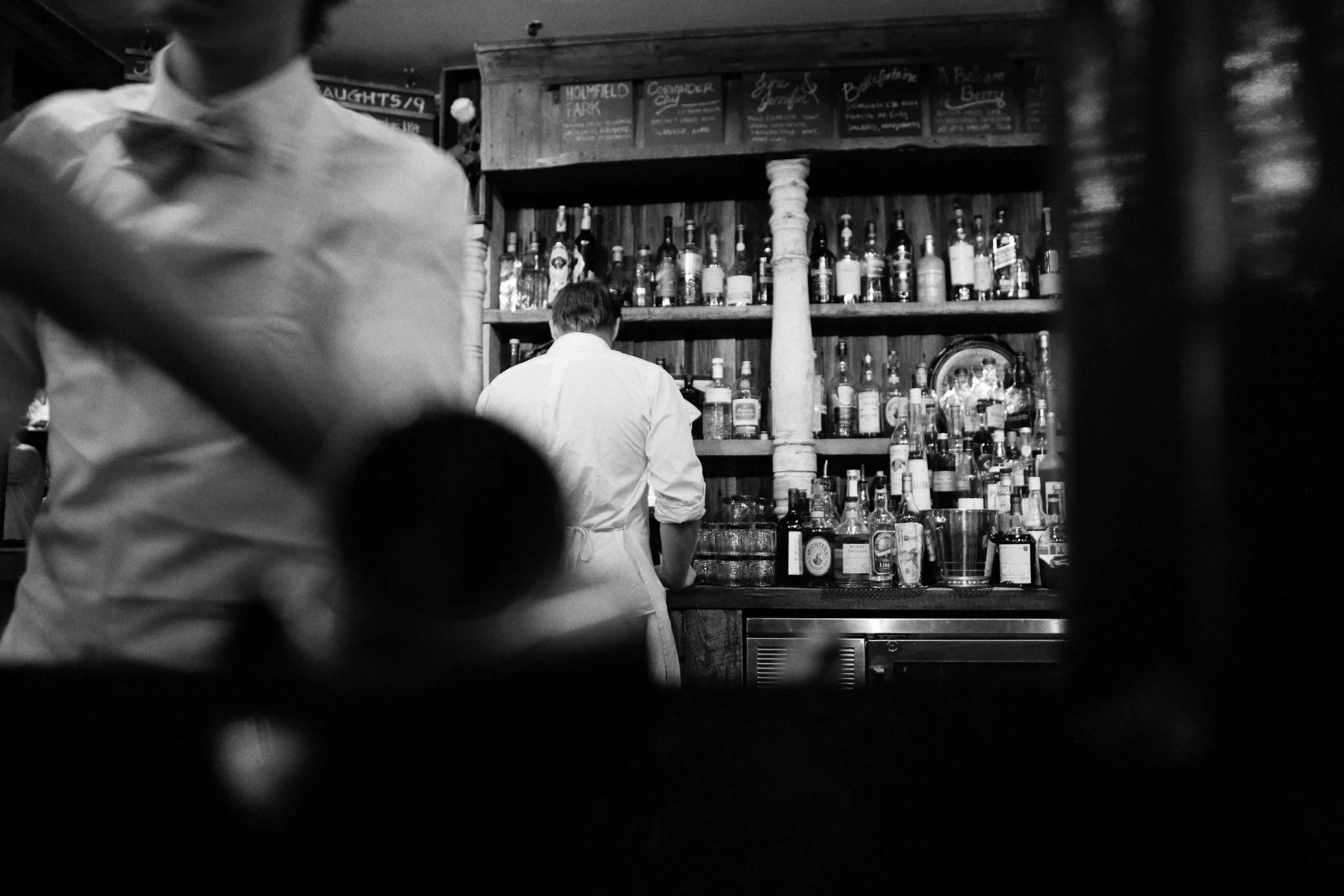
    It all began during a busy Friday night at a local comedy bar. The comedian, known for their sharp observational humor, was preparing backstage for their set. After a quick check of emails and notes, they decided to grab a drink at the bar before performing.

    While chatting casually with the bartender, they left their phone on the counter. Upon realizing this moments later, they rushed back to the bar. It was at this moment that a customer mistook the comedian for one of the waitstaff.

    The customer — who had clearly been drinking and felt entitled to immediate attention — began issuing requests as if the comedian was there to serve them. The stage was set for an awkward interaction that would soon spiral into comedic brilliance.


    2. The Customer’s Demands

    The entitled customer’s behavior began with typical requests: asking for a menu, ordering a drink, and making complaints about the ambient music and lighting.

    When the comedian tried to politely correct the misunderstanding, explaining they were not a waiter, the customer ignored them. Clearly convinced of their mistake, she doubled down — treating the comedian as part of the staff rather than a performer.

    What could have been a frustrating situation for most people instead became comedic fuel. Instead of walking away or becoming irritated, the comedian embraced the role the customer had assigned them.


    3. Turning Confusion Into Comedy

    Rather than correcting the customer repeatedly, the comedian leaned into the misunderstanding, responding with over-the-top politeness and theatrical service gestures. Every response was laced with sarcastic humor — turning the interaction into a kind of live performance art.

    For example: when asked about the menu, the comedian launched into an exaggerated recitation of “specials” that sounded more like a stand-up routine than a real waiter’s pitch. When the customer asked for recommendations, the comedian gave absurd suggestions — from “air-infused water” to “a plate of invisible spaghetti.”

    These moments became more than just a misunderstanding; they became a live comedic act, blurring the line between performer and audience.


    4. The Impromptu Show

    As the mistaken identity continued, the comedian began to use the situation as part of their performance. They improvised a mini stand-up routine, referencing the customer’s behavior as part of the act. The audience, by this point aware of the mix-up, was in stitches.

    The customer, oblivious to being the star of an improvised comedy set, doubled down with increasingly specific demands — from refilling imaginary water glasses to adjusting nonexistent table settings. The comedian played along flawlessly, treating every absurd request as a chance to deliver more humor.

    The audience cheered, and the bartender looked on with amusement, clearly appreciating the comedian’s quick wit.


    5. The Turning Point

    The climax of the incident came when the comedian, still “in character” as the waiter, delivered a full parody of a high-end dining experience. They narrated the entire “meal” with exaggerated commentary, describing how the customer’s “entrée” was prepared by invisible chefs and served with imaginary silverware.

    The audience erupted in laughter — not just at the jokes themselves, but at the audacity and confidence of the comedian. Even the customer began to laugh awkwardly, realizing she might have mistaken the comedian for a waiter.

    It became clear that this mix-up was no longer simply an awkward customer service moment — it was a full-blown comedic performance that could have been scripted for a comedy special.


    6. Behind the Scenes: The Reddit Post That Went Viral

    The comedian later recounted the entire story on Reddit, posting under the title: “I’m a comedian. Customer thought I was a waiter, and I ran with it.”

    The post quickly went viral, gaining thousands of upvotes and inspiring countless comments. Reddit users praised the comedian’s creativity and ability to transform an awkward encounter into comedy gold. Many shared similar experiences, contributing their own stories of mistaken identity and entitled customer behavior.

    This post became one of the most discussed threads in r/IDontWorkHereLady, with the comments section full of humor, admiration, and relatability.


    7. Why This Story Resonates

    Several factors explain why this story resonated so widely:

    • Relatability — Many people have been mistaken for someone they’re not, especially in service environments.
    • Humor in Adversity — The comedian turned a potentially frustrating situation into something entertaining and empowering.
    • Social Commentary — The story also highlights entitled customer behavior and the need for respect toward service staff.
    • Viral Appeal — The absurdity and quick wit made the story ideal for sharing on social media.

    For many readers, the incident was not just funny — it was cathartic. It validated the desire to turn frustrating encounters into moments of levity.


    8. Lessons Learned from the Incident

    This story teaches valuable lessons about handling difficult or mistaken interactions:

    • Stay Calm — Instead of getting upset, keeping composure opens opportunities for humor and creativity.
    • Use Humor as a Tool — Humor can defuse tension and turn awkward moments into memorable experiences.
    • Empathy Matters — Misunderstandings happen; a lighthearted approach can prevent escalation.
    • Quick Thinking Pays Off — Being able to improvise in the moment can transform a problem into a performance.

    The comedian’s approach was not only hilarious but also a lesson in turning adversity into opportunity.


    9. The Wider Impact

    Beyond Reddit, this story spread across other platforms, including Twitter, TikTok, and comedy forums. Clips and retellings sparked discussions on the role of improvisation in comedy and the importance of respecting people in service roles.

    Comedy writers and educators have since referenced the incident as an example of turning real-life interactions into performance art — a skill every comedian strives to master.

    This mix-up has become more than a funny story; it’s now a cultural moment shared across social media as an example of how humor and quick thinking can transform even the most bizarre situations.


    10. Conclusion: Comedy as a Coping Mechanism

    Mistaken identity in customer service can be stressful, but it can also be an opportunity for comedy. The Reddit story of a comedian being mistaken for a waiter shows just how powerful humor can be in handling awkward situations.

    By leaning into the misunderstanding and improvising with confidence, the comedian not only diffused a potentially tense encounter but created a memorable comedic moment that has since entertained thousands.

    For service workers, entertainers, and anyone who’s ever been mistaken for someone else, this story is a reminder: sometimes, the best way to deal with entitled or awkward customers is to smile, improvise, and make it hilarious.

    This incident will remain a favorite example of comedy’s power to transform awkwardness into laughter, and a lasting lesson for anyone who interacts with the public.

    After all, in the words of one Reddit commenter: “If life gives you entitled customers, make comedy out of it.”

  • Scarlett Johansson and Colin Jost Get Revenge on Michael Che During SNL Weekend Update

    Scarlett Johansson and Colin Jost Get Revenge on Michael Che During SNL Weekend Update

    Saturday Night Live’s (SNL) Weekend Update has long been a proving ground for biting humor, quick comebacks, and playful rivalry. But in the Season 50 finale, the usual comedic banter escalated into something entirely unforgettable. Actress Scarlett Johansson and co-anchor Colin Jost joined forces to deliver a hilarious “revenge plot” against Michael Che — one that had audiences roaring with laughter and set a new precedent for SNL comedy.

    What started as a joke swap quickly turned into a legendary comedic moment, blending clever writing, unscripted improvisation, and celebrity wit. Let’s take a closer look at how this playful feud unfolded and why it’s destined to be remembered as one of the funniest SNL moments of all time.


    1. The Backstory: A Joke Too Far

    The rivalry began months before, in a December 2024 episode of Weekend Update. Traditionally, Jost and Che exchange jokes written for each other — a segment designed to generate spontaneous humor. But this time, Che read a shockingly risqué joke about Scarlett Johansson, making an unflattering comparison involving roast beef that stunned the audience and Johansson herself.

    The joke became an instant talking point in comedy circles, with fans debating whether Che had crossed a line. Behind the scenes, Johansson reportedly found the humor playful but knew she would have her chance to strike back. Her wit and sense of timing set the stage for a comedic payback that would come months later.


    2. Season 50 Finale: The Stage is Set

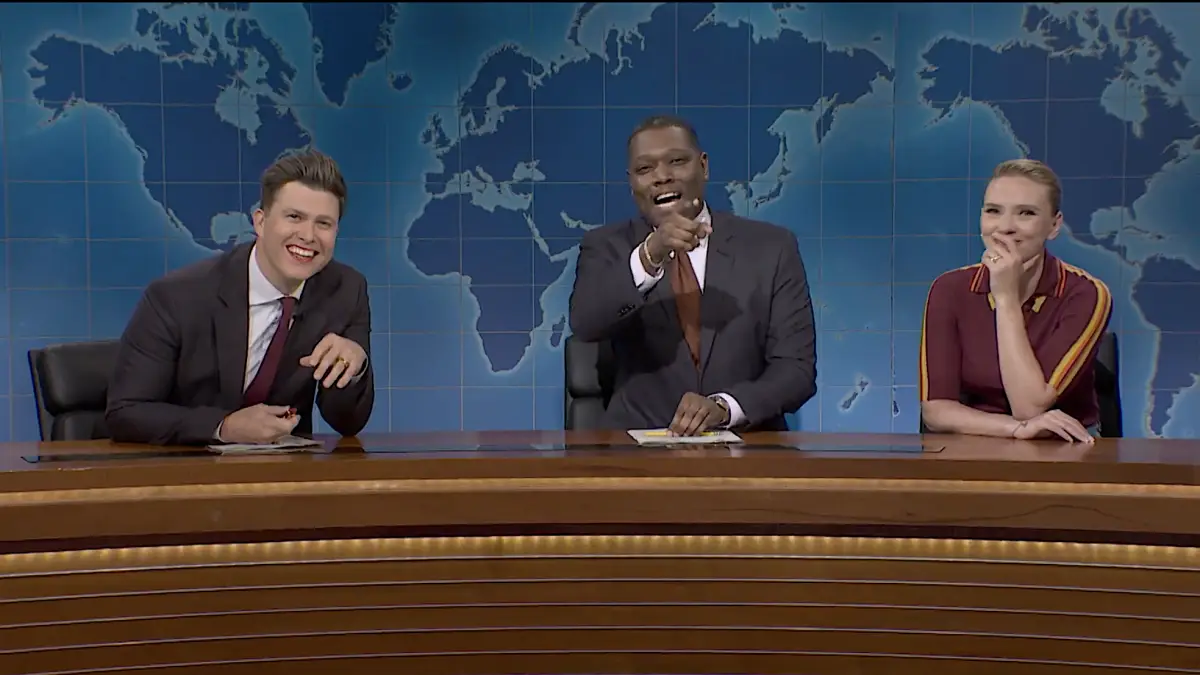
    On May 17, 2025, the Season 50 finale promised surprises — and Johansson delivered. She joined the Weekend Update stage not just as a guest but as an active participant in comedic payback.

    The segment began with Jost and Che following their usual joke swap routine. But the dynamic shifted quickly when Che paused mid-joke to deliver a mock apology. “Before I continue, I want to apologize to Scarlett,” Che said, dramatically inviting her to the stage.

    Johansson entered to applause, wearing a stylish maroon blouse and jeans. Her expression mixed amusement with playful anticipation — the audience knew something big was coming.


    3. The Revenge: Comedy as a Weapon

    Che read Jost’s apology joke aloud, a self-deprecating bit referencing Che’s own faux scandal of selling crack outside the Bronx Zoo. The crowd roared with laughter, and Johansson nodded with mock seriousness, signaling her satisfaction.

    Then came the twist. Johansson and Jost teamed up to turn the joke swap into a comedic sting operation. Jost read increasingly absurd jokes targeting Che — some so edgy they left the audience in stitches while toeing the line of controversy.

    One standout moment came when Che accidentally fell for Jost’s trick, nearly uttering a forbidden racial slur on live television. This spontaneous chaos cemented the segment as one of SNL’s boldest moments in recent memory.


    4. Behind the Scenes: The Trio’s Chemistry

    What made this moment shine wasn’t just the humor — it was the chemistry between Johansson, Jost, and Che. Interviews after the episode revealed how much of the segment was improvised, relying on quick thinking and trust between the performers.

    Johansson joked about the experience: “We need to go into witness protection after that night. I’m terrified we’re going to be targeted — it’s so bad.” Her candidness reflected not only her comedic timing but also her willingness to participate fully in the fun.

    Jost later admitted in interviews that the joke swap was “a planned chaos” — a chance to push boundaries and have fun while keeping the audience guessing.


    5. The Humor and the Risks

    Comedy thrives on risk, and SNL has built its legacy on pushing boundaries. This particular Weekend Update was a perfect example of that ethos. The interplay between Johansson, Jost, and Che blurred the lines between scripted humor and improvisation, leaving viewers unsure what was planned and what was spontaneous.

    Critics praised the segment for its fearlessness. “It’s rare to see such a level of comedic collaboration that feels both raw and carefully orchestrated,” one entertainment analyst wrote. The segment became an example of how comedy can tackle embarrassment and rivalry in a way that entertains without crossing into cruelty.


    6. Fan Reactions and Cultural Impact

    The moment quickly became a viral sensation. Clips of Johansson and Jost’s revenge on Che circulated widely across social media, with fans praising the playful rivalry. Hashtags like #SNLRevenge and #WeekendUpdateWar trended on Twitter within hours of the episode airing.

    Many fans hailed it as a turning point for Weekend Update, arguing it showed that the segment could evolve beyond standard joke swaps into full-blown comedic narratives. Entertainment blogs and news outlets covered the event extensively, cementing its place in SNL history.


    7. The Legacy: A New Benchmark for SNL

    This episode is now considered one of SNL’s most memorable finales. The playful payback set a new standard for what a Weekend Update segment can be: a dynamic interplay of improv, celebrity involvement, and meta-humor.

    It was more than a joke — it was a story arc. Johansson’s return to the stage wasn’t just a guest appearance; it was a comedic coup, a payoff for months of banter and buildup.

    SNL has always thrived on pushing boundaries, and this moment proved that the show can still surprise audiences decades into its run.


    8. Lessons in Comedy and Collaboration

    Scarlett Johansson and Colin Jost’s antics with Michael Che highlight something essential about comedy: it’s a collaborative art form. Their trust and timing turned what could have been an awkward exchange into a comedic highlight.

    For comedians, actors, and entertainers, this episode is a case study in how humor can be used as a bonding tool, a playful weapon, and a way to create unforgettable moments.


    9. Conclusion: Comedy, Revenge, and Legacy

    The Season 50 finale of SNL delivered not just laughs but a cultural moment. Scarlett Johansson and Colin Jost’s revenge on Michael Che transcended a simple joke swap — it became a theatrical comedy spectacle.

    By blending scripted humor, improvisation, and a playful rivalry, they delivered a segment that will be remembered as one of SNL’s boldest moments. Their performance was a testament to the power of humor — a reminder that comedy can challenge, surprise, and unite us in laughter.

    Scarlett Johansson got her revenge, Colin Jost nailed the execution, and Michael Che was the perfect target — all in the name of comedy. And the audience? They got a night of SNL they’ll never forget.

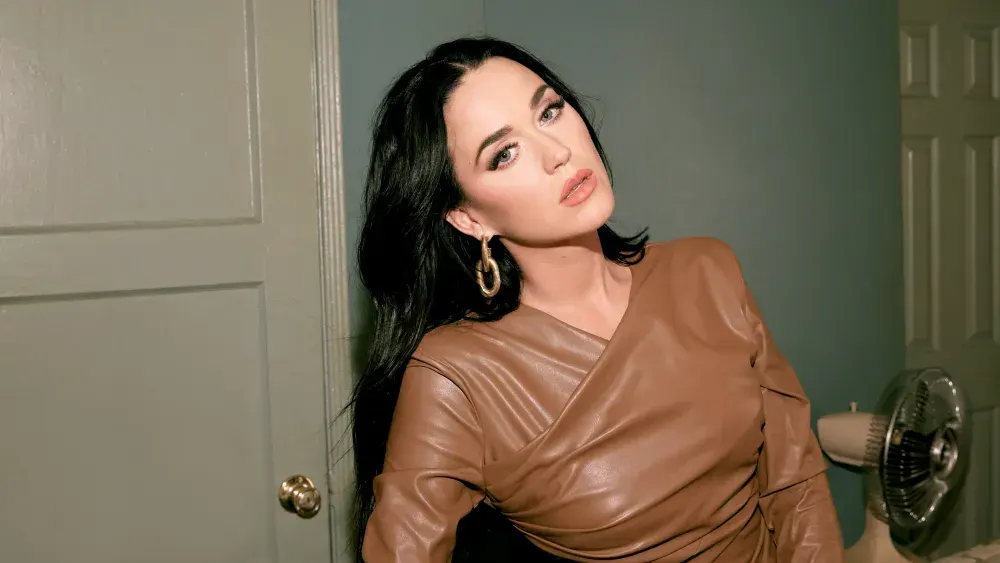
  • Katy Perry’s Hair Collection: When Celebrity Hair Becomes Art

    Katy Perry’s Hair Collection: When Celebrity Hair Becomes Art

    If you thought collecting vintage concert tees or autographs was the ultimate celebrity hobby, think again. Katy Perry has taken fan-girl vibes to a whole new, slightly eyebrow-raising level. Rumor has it, the pop superstar is amassing locks of hair from her celebrity friends, and yes, she’s confirmed it herself.

    From Miley Cyrus to Taylor Swift, Katy isn’t just asking for selfies—she’s asking for strands of hair. And she’s not just storing them in a drawer; she’s decorating them with adorable little bows. Because why have a regular friendship bracelet when you can have hair-adorned memorabilia, right?


    A Bow Here, a Strand There: Katy’s Hair Artistry

    Katy Perry’s hair collection isn’t just hair—it’s apparently a mini hair museum of pop culture. Imagine walking into a room and seeing tiny locks of Miley Cyrus’s edgy blonde, or Taylor Swift’s iconic golden strands, all tied up with miniature bows. It’s like a hair-themed Hall of Fame.

    And let’s be honest: if anyone could make hair look cute enough to display, it’s Katy Perry. Those bows aren’t just decoration—they’re a statement. Who knew split ends could look so chic?

    There’s a certain method to Katy’s madness. According to sources, she keeps each lock labeled meticulously, almost like a mini scrapbook of friendship and celebrity connections. You can almost imagine her humming “Teenage Dream” while carefully tying a bow around a freshly acquired strand.


    The Celebrity Hair Guestbook

    According to Katy, she’s approached several of her superstar friends for locks, and surprisingly, they didn’t run away screaming. The thought of Miley Cyrus giving up a strand of hair might seem… rebellious enough for her persona, while Taylor Swift’s hair donation is the kind of neat, polite gesture only Taylor could pull off.

    Imagine being a new celebrity friend and receiving this request:

    “Hey, can I have a lock of your hair? I’m going to tie it with a bow.”

    For most people, that would be terrifying. For Katy Perry, it’s art.

    And the humor doesn’t stop there. You can picture the internal monologues of the celebrities she asks:

    • Miley Cyrus: “Sure, I guess my hair can be part of something as crazy as Katy Perry collecting it.”
    • Taylor Swift: “Do I get a bow too?”
    • Other friends: “Wait… hair? Like, actual hair? Not a metaphorical hair?”

    Celebrity culture is often glamorous, but this hair collection adds a quirky, very human twist that fans can’t help but laugh at.


    Hair Goals, Literally

    The real question: is this a collection or a hair-themed lifestyle? Katy’s hair archive is clearly more than a casual hobby. Each strand is carefully preserved and adorned, turning celebrity hair into collectible art. Maybe it’s like Pokémon—but instead of Pikachu, you collect Ariana Grande’s ponytail and Billie Eilish’s green bangs.

    The creative potential is endless. Perhaps Katy will launch a limited-edition line of celebrity hair-inspired accessories—tiny bows, hairpins, or even earrings featuring actual (ethically sourced) celebrity hair. Fashion meets fandom in the quirkiest way possible.

    Fans have already joked about gifting their own hair to Katy as a way of joining the club. Imagine the Twitter threads: “Just mailed my hair to Katy Perry. Bow requests accepted. #HairGoals.”


    Why We Can’t Stop Laughing

    There’s something inherently funny about a superstar asking for your hair like it’s a limited-edition trading card. Celebrities are used to signing autographs, but giving up a piece of themselves? That’s next-level trust—or next-level weirdness, depending on how you look at it.

    It’s the kind of story that makes the world of celebrity culture feel absurd in the best way possible. And let’s face it: in a universe of giant social media platforms, expensive merch, and pop-up shops, Katy Perry’s hair collection is the most delightfully random thing we didn’t know we needed.

    Her hair hobby also sparks the imagination. Fans can’t stop asking: What does she do with all the hair? Does she display it like a museum? Does she braid it into friendship bracelets? Or maybe she has a secret “hair spa” where each lock is pampered and styled. The possibilities are endless—and hilarious.


    Imagining the Hair Museum

    Let’s be honest—if this collection ever becomes public, it would be Instagram gold. Picture this:

    • A velvet rope entrance
    • Mini pedestals for each strand
    • LED spotlights highlighting the shimmer of celebrity hair
    • Bows perfectly tied, with tiny labels including the celebrity’s name and date of donation

    Fans would flock to see “Miley’s Blonde Blonde,” “Taylor’s Golden Locks,” and “Rihanna’s Red Tresses.” And of course, there would be a Katy Perry section, featuring her own ever-changing hairstyles—because no museum is complete without the artist’s self-representation.

    This hair museum could even become a performance art exhibit, with pop hits playing in the background and interactive displays that let you smell (or maybe not smell) the locks. It’s the perfect blend of absurdity and art.


    What’s Next for Katy’s Collection?

    Fans are already speculating what other locks might appear. Could we see Rihanna’s red strands tied in bows? Or Harry Styles’ curls, neatly preserved like tiny spirals of rock-star nostalgia? Katy has certainly set the precedent—if it’s celebrity hair, it’s fair game.

    And in true pop-star fashion, she might even start a hair-themed music video, where each wig and lock comes with its own backstory. Imagine a chorus of bows, shimmering under stage lights—hair couture at its finest.

    The “hair archive” could eventually become a celebrity history lesson, with future generations marveling at the hairstyles that defined eras of pop music. Forget fashion history textbooks—Katy Perry’s hair museum is the new curriculum.


    Hair Today, Bow Tomorrow

    At the end of the day, Katy Perry’s hair collection is funny, weird, and somehow completely charming. It’s a reminder that celebrity hobbies don’t have to be normal, sensible, or even slightly practical. Sometimes, they’re just bows, hair, and a whole lot of creativity.

    It’s also a subtle nod to how celebrities collect memories differently than the rest of us. While we might scrapbooking, Katy Perry’s friendship memories are literally tied up in strands of hair. And honestly, that’s a level of dedication we can’t help but admire.

    Whether it’s a quirky personal project or the start of a new trend, one thing is clear: if Katy Perry asks you for a lock of hair, you say yes. And maybe add a bow of your own.


    What This Says About Celebrity Culture

    Katy Perry’s hair collection highlights the quirky, unpredictable nature of fame. Fans often see celebrities as distant figures, but this story shows a more personal, playful side. She’s building connections with friends in a completely unconventional way—through hair!

    It also sparks larger questions about how pop stars express creativity outside music. From fashion lines to makeup collections, celebrities are constantly finding new ways to engage with fans. But hair? That’s a level of originality that might just be unmatched.


    The Internet Reacts

    As you might expect, fans on Twitter, TikTok, and Instagram had a field day with this news:

    • “Katy Perry collects hair? This is my new life goal.”
    • “I hope she gets my hair. It’s ethically sourced and fabulous.”
    • “Imagine opening your gift from Katy and it’s a bow-wrapped strand of Taylor Swift’s hair. Iconic.”

    The humor and absurdity of the story make it highly shareable, ensuring that Katy’s hair collection will live on in meme culture for years to come.


    Conclusion: Celebrating Fun and Creativity

    In a world where celebrity hobbies can feel predictable, Katy Perry’s hair collection is refreshingly original and hilarious. From Miley Cyrus to Taylor Swift, each strand tells a story, and the bows make it Instagram-ready.

    This quirky project reminds us that celebrity culture doesn’t have to be serious—sometimes it’s just a fun, unexpected way to celebrate friendship and creativity. Whether it becomes a museum, a music video, or just a private collection, Katy Perry’s hair archive is one of the funniest and most charming celebrity stories of the year.

    So next time you think about collecting memorabilia, ask yourself: “Do I want an autograph… or a bow-wrapped strand of hair?” Katy Perry has clearly chosen her answer.

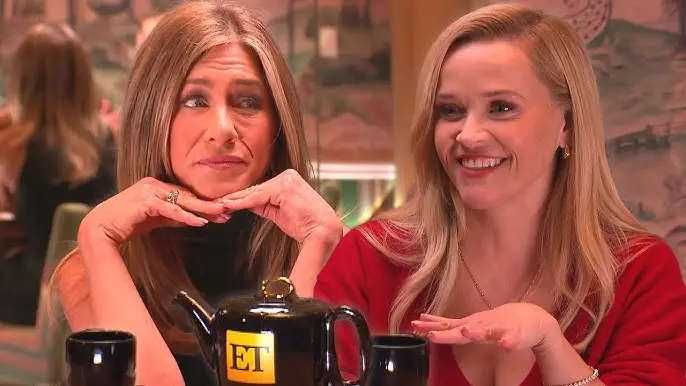
  • Jennifer Aniston Reacts Hilariously to Learning Reese Witherspoon’s Real Name

    Jennifer Aniston Reacts Hilariously to Learning Reese Witherspoon’s Real Name

    Hollywood is full of surprises, even for some of the most famous stars. Recently, fans got a peek into the lighter, more human side of celebrity life when Jennifer Aniston discovered something surprising about her longtime friend and co-star, Reese Witherspoon. The revelation? Reese’s real first name isn’t actually Reese—it’s Laura Jean Witherspoon.

    This moment may seem small, but for fans, it provided a hilarious insight into the off-screen camaraderie between two of Hollywood’s most beloved actresses. Jennifer’s reaction, described as “hilarious,” has become a trending topic online, showing just how relatable celebrities can be.


    The Moment Jennifer Found Out

    Jennifer Aniston and Reese Witherspoon have shared the screen and the public spotlight for years, and yet this tiny piece of information had managed to elude Aniston—until now. Reports from fans and insiders reveal that Jennifer’s expression and audible reaction were priceless, and she could barely hide her shock and amusement.

    Fans immediately took to social media to share GIFs, memes, and reactions to Jennifer’s discovery. Many laughed along with her, finding joy in the fact that even celebrities, who seem to know everything about each other, can still be surprised by something so simple. This moment was a reminder that Hollywood stars are just like the rest of us—they have “Aha!” moments, funny discoveries, and reactions that make them instantly relatable.


    Why It’s So Funny

    The humor in Jennifer Aniston’s reaction comes from the normalcy of the discovery. Many celebrities use stage names to stand out in Hollywood, and Reese Witherspoon is no exception. She chose to go by her middle name, Reese, likely for its memorability and uniqueness in a competitive industry.

    Despite this being common knowledge for some, Jennifer’s reaction highlights how even those closest to us can surprise us in unexpected ways. The situation is inherently funny because it’s not something that would typically be newsworthy—but seeing Jennifer’s genuine reaction makes it endlessly entertaining for fans.

    This also demonstrates a universal truth: even lifelong friends can learn something new about one another. For Jennifer, learning that her friend of decades has a completely different first name was an amusing shock.


    The Friendship Between Jennifer and Reese

    Jennifer Aniston and Reese Witherspoon share a friendship that fans have admired for years. Their camaraderie extends beyond the professional realm, including award shows, film sets, and numerous public appearances. They have been photographed laughing together, supporting each other at premieres, and sharing candid moments on social media.

    Their friendship has often been described as warm, humorous, and genuine. Fans love watching them interact because there’s a natural, relatable energy between them. Whether it’s teasing one another or showing support during award season, their bond feels authentic, which is increasingly rare in Hollywood.

    The story of Jennifer’s reaction to Reese’s real name adds another layer of charm to their friendship. It’s a moment that reminds fans of their chemistry, not just on-screen but off-screen as well. It also humanizes them, showing that even the most famous stars have surprises in their personal lives.


    Fun Facts About Reese Witherspoon and Jennifer Aniston

    • Career Highlights: Jennifer Aniston rose to fame with Friends, becoming one of the most recognized TV actresses worldwide. Reese Witherspoon gained fame with Legally Blonde and has become a powerhouse in Hollywood both as an actress and producer.
    • Award Wins: Both actresses have won Golden Globes, Emmys, and other accolades throughout their careers, solidifying their positions as leading figures in entertainment.
    • Business Ventures: Reese Witherspoon owns Hello Sunshine, a media company focused on female-driven stories, while Jennifer Aniston has launched various business ventures and consistently advocates for wellness and philanthropy.
    • Friendship Chemistry: Fans have long admired how their humor and personality complement each other, making every public interaction enjoyable to watch.
    • Love of Surprises: This moment of learning Reese’s real name shows that even decades into a friendship, small surprises can happen.

    Social Media Reactions

    The internet quickly reacted to Jennifer’s revelation. Fans expressed delight and amusement across platforms like Twitter, Instagram, and TikTok. Memes comparing “Reese” vs. “Laura Jean” flooded timelines, while users commented on how relatable Jennifer’s reaction was.

    Some fans noted that learning a celebrity’s real name feels like a more intimate glimpse into their life. Others just enjoyed seeing two Hollywood icons interact in a lighthearted, genuine way. These reactions demonstrate the power of small, personal moments in the public eye—they resonate just as much as big celebrity news.


    Hollywood Stage Names and Celebrity Culture

    Many celebrities use stage names to create a memorable identity or to separate their personal lives from their professional careers. Reese Witherspoon is a prime example. Her birth name, Laura Jean, is charming but less distinctive for Hollywood branding.

    Jennifer Aniston’s reaction underscores how stage names can sometimes obscure the “real” person behind the celebrity image. It’s a reminder that everyone has a private identity that might surprise those around them, even close friends. Fans find these insights endearing because they humanize stars who often seem larger than life.


    Why Fans Love Seeing Relatable Moments

    The moment Jennifer Aniston learned Reese Witherspoon’s real name went viral not just because it was funny, but because it was relatable. Everyone has experienced discovering something surprising about a friend, even someone you’ve known for years.

    In a world of carefully curated celebrity images and public personas, genuine reactions like Jennifer’s are refreshing. They remind fans that stars are people too—they get surprised, they laugh, and they experience the same little shocks that anyone else does.


    Final Thoughts

    Jennifer Aniston learning that Reese Witherspoon’s real name is Laura Jean is more than just a funny anecdote—it’s a glimpse into the genuine friendship and human side of Hollywood icons. It shows that even lifelong friends can have surprising discoveries, that stars can be relatable, and that humor is universal.

    For fans, this moment provides both entertainment and reassurance. It’s a reminder that celebrities, no matter how famous, experience moments that are entirely normal and human. And for Jennifer Aniston, discovering that her friend of decades is officially Laura Jean was simply too funny not to react to.

    Whether on set, at awards shows, or in candid moments shared on social media, Jennifer and Reese continue to delight fans with their chemistry, humor, and authenticity. Their friendship—and Jennifer’s hilarious reaction—will likely be remembered and celebrated by fans for years to come.

  • The Home Run Ball Heist at LoanDepot Park – Entitlement in Full Swing

    The Home Run Ball Heist at LoanDepot Park – Entitlement in Full Swing

    Oh, sweet readers, you are not going to believe what happened at LoanDepot Park recently. It was supposed to be a perfectly normal day of baseball, snacks, and family fun, but instead, the stands became a stage for pure, unfiltered entitlement. Picture this: a little boy celebrating his birthday, a father ready to make it special, a home run soaring into the crowd—and then, a woman who seemed to think the universe owed her the ball more than it owed the birthday boy.

    Yes, darling, I am talking about Cheryl Richardson-Wagner, who has now been forever immortalized online as the “Phillies Karen.” This story is both infuriating and hysterical, so buckle up.

    (TMZ)


    The Moment Before Chaos

    September 5, 2025, was set to be a delightful day for Lincoln Feltwell. Birthday hat perched just right, snacks ready, and a dad whose reflexes rival a professional athlete, Lincoln was prepared for the thrill of live baseball. Harrison Bader, Phillies centerfielder extraordinaire, delivered a home run that sailed through the air like it had been scripted by Hollywood.

    Drew Feltwell, ever alert and impressively quick, caught the ball and immediately handed it to Lincoln. The stands erupted with applause, laughter, and excited shouts. Lincoln’s eyes shone like the ball itself; for a seven-year-old, this was a moment of pure joy. A birthday memory to last a lifetime.

    But as the universe would have it, nothing stays perfect for long when entitlement enters the picture.


    Enter the Woman: Audacity on Full Display

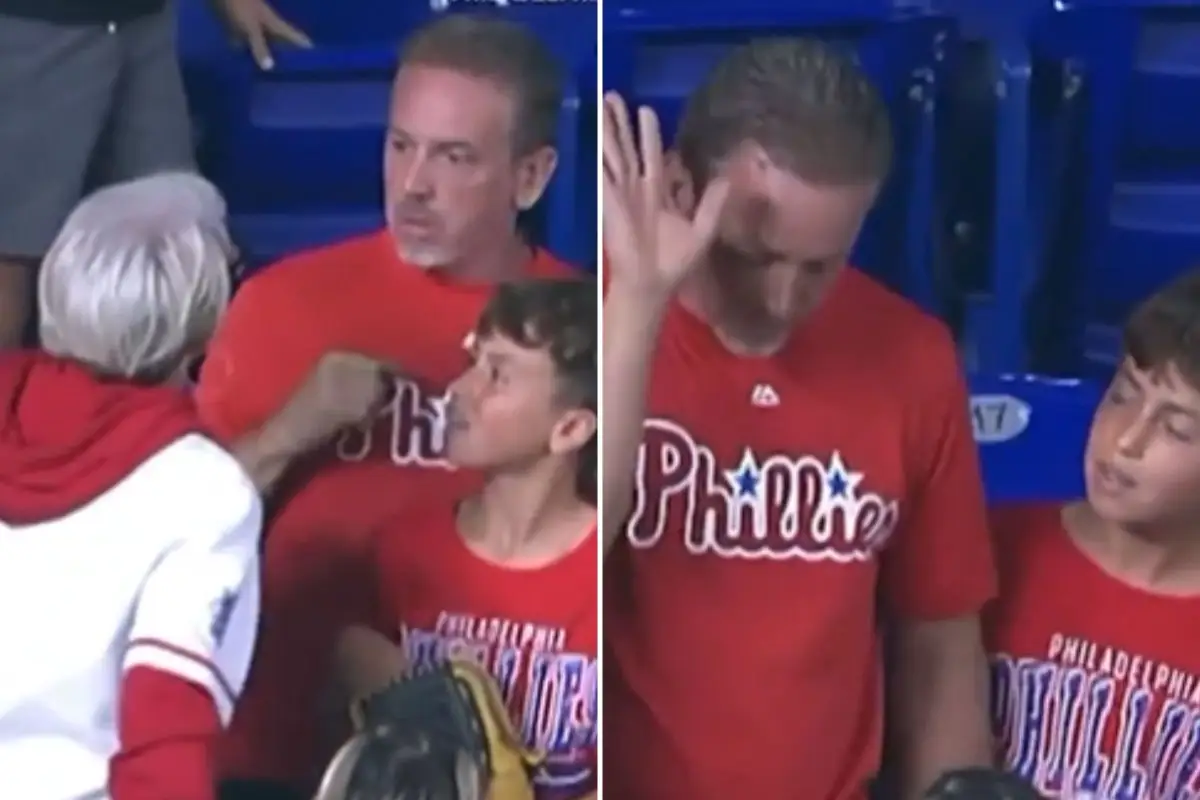
    Enter Cheryl Richardson-Wagner, striding up to the father and son like she owned the place. With no subtlety, she declared, “That’s my ball! Give it to me!” and proceeded to loudly insist that the home run was rightfully hers. She demanded, shouted, and gestured as if Drew and Lincoln had committed a crime against humanity by catching a baseball in the stands.

    Now, let me pause here and say this: if you were watching, you would have seen the crowd collectively wince. Eyebrows raised, phones raised, and some very audible sighs as this woman’s entitlement unfolded in real-time. It was the perfect storm of audacity, dramatic flair, and social impropriety—an actual live performance that no one had bought tickets for.

    Drew, showing both wisdom and patience, calmly tried to defuse the situation. He explained it was his son’s birthday and that the ball had landed in their hands by chance. But Richardson-Wagner refused to relent, repeating insistently, “I caught that ball! Hand it over!”

    Yes, my darlings, she actually claimed she had “caught” a ball that Drew physically had in his hands. The audacity, the drama, the sheer performative entitlement—it was peak Karen behavior, and the stadium became an instant theater of human absurdity.

    (TMZ)


    Social Media Reacts: Viral Meltdown

    As expected, in today’s world, nothing stays in the stands. Within minutes, someone captured video footage of the confrontation and uploaded it online. The internet did what it does best: exploded. TikTok, Instagram, Twitter, and Facebook feeds filled with clips of Richardson-Wagner’s over-the-top entitlement.

    Fans weren’t shy about expressing their disapproval. Comments ranged from incredulous disbelief to outright mockery. Memes began circulating almost instantly, and hashtags like #PhilliesKaren and #HomeRunDrama trended across platforms. The woman’s insistence that the ball was hers became shorthand for entitled behavior everywhere.

    Even ESPN’s SportsCenter couldn’t resist covering the story on their segment “So This Happened.” Hosts Nicole Briscoe and Michael Eaves discussed the absurdity of the situation while also praising Drew for his calm handling of a volatile moment. Michael Eaves aptly summarized what everyone watching was thinking: “Awesome, make her feel terrible.”

    The incident proved to be a textbook example of how live events, entitlement, and social media collide to create viral content.


    A Silver Lining: Harrison Bader Saves the Day

    Just when you might think the story is all chaos and frustration, a hero appears. Harrison Bader, whose home run set this entire saga in motion, personally met Lincoln Feltwell after the game and gifted him a signed bat. While it wasn’t the ball that had been stolen, it was a thoughtful gesture that restored some joy to what had been a fraught situation.

    Bader’s action reminds us that athletes can influence not only the game but also the experience of their fans. His generosity turned a viral meltdown into a heartwarming moment, highlighting that a little humanity can go a long way—even in the face of pure absurdity.


    Lessons for All of Us

    Let’s be honest, there’s a lot we can learn from this spectacle:

    1. Entitlement Has a Cost – Richardson-Wagner will forever be remembered online, not for her finesse or charm, but for demanding a child’s birthday gift. Social media never forgets.
    2. Composure Wins – Drew remained calm, prioritized his son’s safety, and avoided escalating a potentially dangerous confrontation. Patience and composure are underrated skills, my dears.
    3. Heroes Come in Many Forms – Bader may not have solved the entire entitlement problem in the world, but he restored balance and reminded us all what it means to act with kindness.
    4. Viral Moments are Instant – In the age of social media, public behavior is scrutinized and amplified. One loud, entitled demand can make someone famous—or infamous—overnight.

    From a comedic perspective, the entire incident is a goldmine. You have suspense, drama, humor, conflict, and eventual resolution. It’s like reality television and a sports broadcast had a chaotic, wonderful lovechild.


    Fan Reactions: Entertainment at Its Finest

    Fans in the stadium quickly became part of the entertainment. Some cheered Drew and Lincoln, others booed the entitled woman, and almost everyone whipped out their phones to document the chaos. It’s not often that you get to see human absurdity play out live, and this was a full-on, unedited performance.

    Online, the reactions were no less dramatic. Memes poking fun at Richardson-Wagner appeared everywhere. Fans imagined her as a Shakespearean villain, a queen of entitlement, and even as the main antagonist in a soap opera. The comedic potential was endless, and honestly, it was pure joy to witness from a safe distance.

    (TMZ)


    The Birthday Boy’s Perspective

    Lincoln Feltwell, the true hero of the story, handled the ordeal with the resilience only a child can muster. While his birthday moment was momentarily interrupted, he still got to keep the excitement of catching a home run and later received a signed bat from Bader.

    From a comedic lens, there’s something poetic about a child remaining blissfully unaware of the viral scandal surrounding him, while the adult world debates entitlement, social norms, and public behavior. Lincoln got the fun, the experience, and the memories—without a single care about the chaos unfolding around him.


    Wrapping It Up: Karen Receives the “Worsty Award”

    Let’s be real: Cheryl Richardson-Wagner deserves recognition. Not for her charm, grace, or sportsmanship, but for her unwavering commitment to entitlement. She’s officially awarded the “Worsty Award” for public audacity, a distinction she earned through sheer persistence and dramatic flair.

    Meanwhile, Drew, Lincoln, the crowd, and Harrison Bader remind us that calm, kindness, and quick thinking triumph over selfishness every time. Richardson-Wagner’s behavior may have gone viral, but it also serves as a cautionary tale: entitlement is memorable, but in the wrong way.

    So, if you’re taking notes on life, remember: protect the little humans, stay calm under pressure, and always, always let kindness win. And maybe, just maybe, keep your entitlement in check, lest you become the next viral sensation for all the wrong reasons.


    Citation

    1. TMZ Sports – “SportsCenter Hosts Discuss Phillies-Marlins Karen Who Took Home Run Ball” – tmz.com
    2. ESPN SportsCenter – Segment: “So This Happened” – Coverage of the Phillies-Marlins ball incident and fan reactions.
    3. CBS Miami – “Viral Clash Over Home Run Ball at Marlins-Phillies Game Ends With Young Fan Getting Surprise Gifts” – cbsnews.com