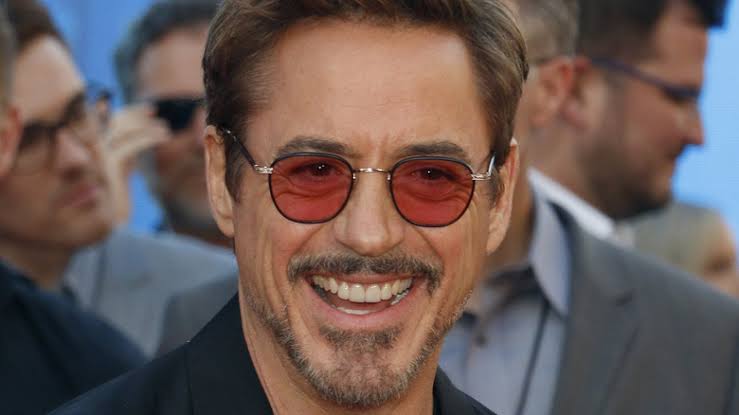
Celebrity interviews have always been a major part of Hollywood promotion, offering audiences a chance to connect with actors, musicians, and creators beyond their work. However, in today’s digital landscape, a single sentence from an interview can become a worldwide conversation within minutes. What was once a full discussion between a celebrity and a journalist can now be transformed into dozens of headlines, viral clips, memes, debates, and social media reactions.
This shift reflects the changing nature of entertainment media. Audiences no longer consume interviews only in their original format. Instead, moments are extracted, shortened, reposted, and analyzed across multiple platforms. A two-hour conversation can become hundreds of individual pieces of content, each creating its own narrative and attracting a different audience.
The power of a single quote comes from the speed of modern information sharing. Social media platforms reward content that generates immediate reactions, and emotional statements—whether funny, surprising, controversial, or inspiring—often receive the highest engagement. As a result, one memorable comment can overshadow an entire interview.
Celebrities such as Jennifer Lawrence, Robert Downey Jr., and Ryan Reynolds have become known for memorable interview moments that spread widely online. Their personalities, humor, and communication styles often become part of their public identity, demonstrating how interviews can shape celebrity branding beyond their professional work.
One major reason this phenomenon has grown is the rise of short-form content. Platforms like TikTok, Instagram Reels, YouTube Shorts, and X encourage users to share small pieces of larger conversations. A clip lasting only a few seconds can introduce millions of people to a celebrity’s personality, opinion, or reaction without requiring them to watch the original interview.
This creates both opportunities and challenges for public figures. A strong interview moment can increase popularity, introduce audiences to upcoming projects, and strengthen a celebrity’s connection with fans. However, a statement taken out of context can also create misunderstandings or unwanted controversy. The same digital speed that creates visibility can also amplify criticism.
The modern interview has therefore become a high-stakes communication moment. Celebrities are no longer speaking only to the interviewer in front of them; they are speaking to a global audience that may encounter their words through countless interpretations. Every answer has the potential to become a headline.
Media outlets have adapted to this environment as well. Instead of simply publishing full interviews, many platforms now focus on individual moments that generate clicks and discussion. Headlines are often built around the most attention-grabbing sentence rather than the overall message of the conversation. This reflects the competitive nature of digital media, where capturing attention quickly is essential.
Audiences also play an active role in deciding which moments become viral. Algorithms may distribute content, but human reactions determine whether it continues spreading. Comments, reposts, debates, and memes all contribute to turning a simple interview response into a major cultural moment.
Another important factor is the changing relationship between celebrities and fans. Traditional celebrity culture created distance between public figures and audiences. Today, interviews, podcasts, livestreams, and social media interactions provide more direct access. Fans increasingly value personality, honesty, and relatability, making off-screen conversations just as important as performances.
This has encouraged celebrities to develop stronger personal brands. An actor is no longer promoted only through movies, and a musician is no longer defined only by albums. Their opinions, humor, lifestyle choices, and public conversations all contribute to their overall image. Interviews have become another form of storytelling.
However, the constant focus on viral moments has also changed how audiences interpret celebrity communication. A thoughtful answer may receive little attention, while a surprising comment can dominate discussions for days. This creates pressure for public figures to remain interesting, memorable, and emotionally engaging in every appearance.
Despite these challenges, interviews remain one of Hollywood’s most powerful tools for connection. They allow audiences to see the people behind performances and create moments that feel personal and spontaneous. The difference today is that every moment has the potential to travel far beyond its original context.
Ultimately, one quote takes over the internet because modern entertainment is built around speed, reaction, and shareability. A single sentence can influence public perception, create new conversations, and even reshape a celebrity’s image. In today’s Hollywood landscape, interviews are no longer just promotional appearances—they are potential cultural events waiting to happen.
References
- Pew Research Center – Social Media and News Consumption Trends
- Harvard Business Review – The Attention Economy and Digital Communication
- Reuters Institute – Digital Media and Audience Behavior
- Nieman Lab – The Future of Digital Journalism
- Variety – Hollywood Media and Celebrity Coverage Trends
- The Hollywood Reporter – Entertainment Industry Analysis
Leave a Reply