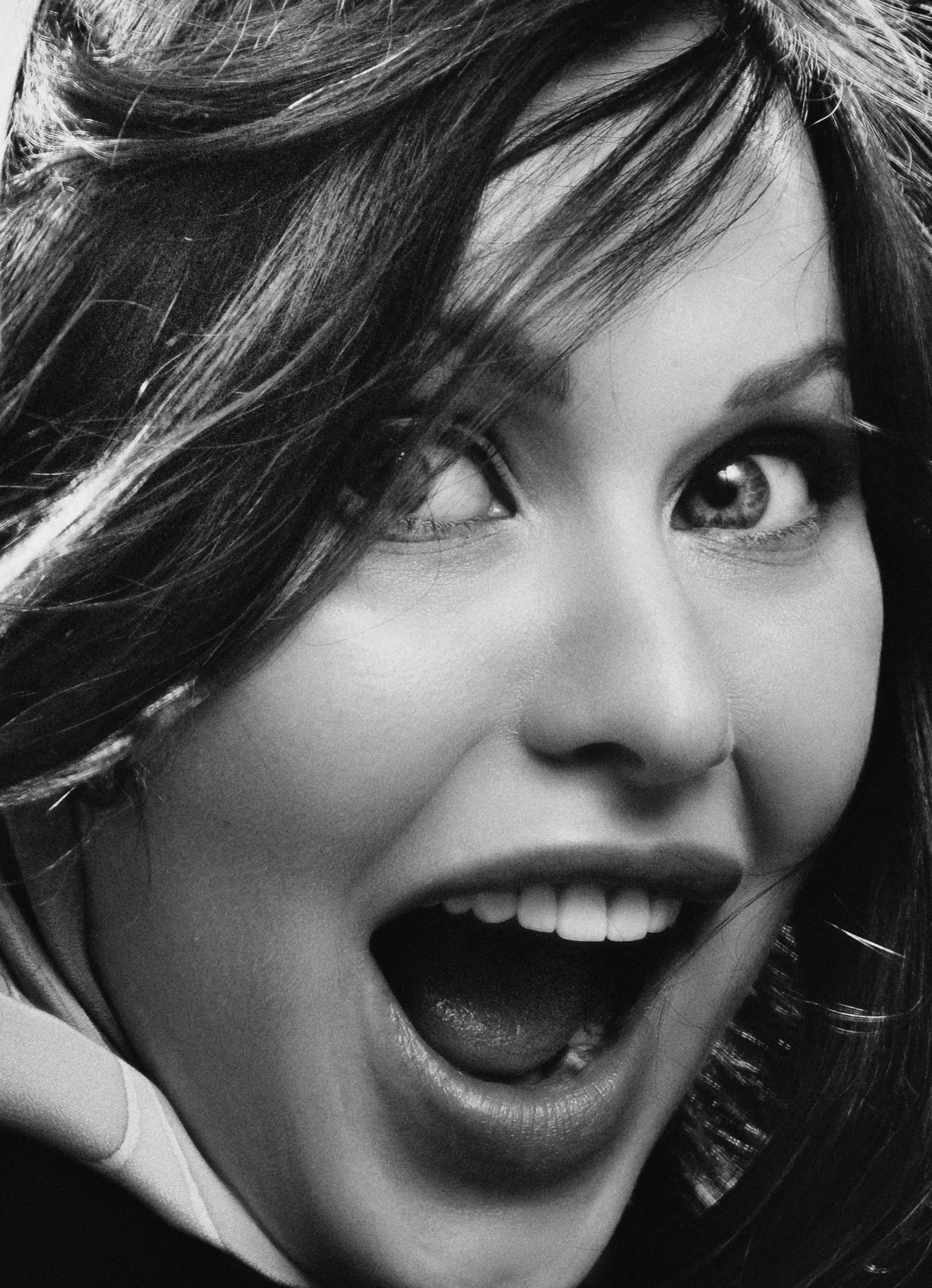
Celebrity scandals have always had a strange way of turning into public property. One minute, a famous person is simply trying to live their life, and the next, everyone from entertainment reporters to social media detectives has an opinion about what they wore, who they dated, what they said, and whether their latest apology sounded sincere enough.
And honestly, some of us would like to speak to the manager.
Celebrity gossip has become a strange form of entertainment. We know these people because they appear on our screens, walk red carpets, release music, star in movies, launch businesses, and post carefully selected pieces of their lives online. But somewhere along the way, the line between being interested in a celebrity and acting as though we have been personally invited into their living room has become very blurry.
A celebrity scandal does not need to involve anything particularly shocking anymore. Sometimes all it takes is a bad outfit, an awkward interview, a breakup, a questionable social media post, or a photograph taken at exactly the wrong moment. Suddenly, everyone has a theory.
So, grab your imaginary cup of tea, because we have some things to discuss.
Celebrity Scandals Have Become a Full-Time Public Hobby
There was a time when celebrity gossip mostly lived in magazines and entertainment television. You would stand in line at the supermarket, see a magazine cover announcing some shocking celebrity revelation, raise one eyebrow, and decide whether it was worth buying.
Now, celebrity gossip is available 24 hours a day.
Social media has transformed celebrity scandals into something much bigger and much faster. A celebrity can post something at breakfast, have strangers analyzing it by lunchtime, and become the subject of hundreds of videos by dinner.
One photograph can become a scandal. One sentence can become a headline. One poorly worded caption can become an internet investigation.
And then comes the inevitable question: Why are we all discussing this?
Because celebrity culture has become deeply connected to everyday entertainment. People follow celebrities not only because they enjoy their movies or music but because they have become familiar personalities. Fans feel like they know them, even when the relationship is entirely one-sided.
That familiarity can make celebrity behavior feel strangely personal.
A celebrity breakup can have people choosing sides. A celebrity feud can inspire thousands of comments. A celebrity fashion choice can create an entire debate about taste, age, money, and common sense.
Somewhere in the background, an imaginary older woman is standing with her arms crossed, saying, “I don’t know who approved this, but I would like a word.”
The Celebrity Breakup That Became a National Emergency
Few things attract public attention quite like a celebrity relationship falling apart.
When two famous people get together, fans often become invested in their relationship. They watch interviews, study photographs, follow social media posts, and celebrate anniversaries as if they personally helped organize the wedding.
Then the couple breaks up.
Suddenly, everyone becomes a relationship counselor.
One person is declared the villain. The other is declared the victim. Old interviews are pulled from the internet. A photograph from five years ago is suddenly considered evidence. Someone notices that one celebrity stopped liking the other person’s posts, and apparently this is now a major investigative development.
There are timelines. There are theories. There are reaction videos.
And, naturally, there are people saying they “always knew” the relationship would fail.
Of course you did, Margaret. You also said that the celebrity’s haircut was going to ruin their career, so perhaps we will take that prediction with a grain of salt.
Celebrity relationships are fascinating because they combine romance with public image. Fans want the couple to be happy, but the entertainment industry also turns relationships into stories. The result is that private heartbreak can become public entertainment almost immediately.
There is nothing wrong with enjoying celebrity news. But perhaps we do not need to behave as though we were personally standing outside the restaurant when the breakup happened.
Celebrity Feuds: Because Apparently Nobody Can Simply Disagree
Celebrity feuds are another reliable source of entertainment.
Sometimes two celebrities openly dislike each other. Sometimes there is a genuine professional disagreement. And sometimes the public simply decides that two people are fighting because one person did not comment on the other’s Instagram photograph.
This is where celebrity gossip becomes particularly entertaining.
A celebrity says, “I wish them well.”
The internet says, “THAT IS DEFINITELY SHADE.”
Someone says, “I have nothing to say about the situation.”
The internet says, “THE SILENCE SPEAKS VOLUMES.”
Someone posts a photograph wearing a particular color.
The internet: “This is obviously directed at the other celebrity.”
At this point, people are analyzing clothing choices like they are decoding secret government documents.
Celebrity feuds are especially popular because they allow audiences to choose sides. Fans become loyal to their favorite celebrity and defend them with the enthusiasm of someone protecting a family member.
The funny part is that the celebrities may have moved on months ago.
Meanwhile, thousands of people online are still fighting about it.
The Apology That Created Another Scandal
If there is one thing celebrity culture loves, it is an apology.
Unfortunately, apologies do not always end scandals. Sometimes they make them worse.
The classic celebrity apology usually follows a familiar pattern. Something happens. People become angry. The celebrity disappears for a little while. Then a statement appears.
“I have heard your concerns.”
“I understand why people are upset.”
“I take full responsibility.”
“I am learning and growing.”
And then comes the internet’s favorite activity: deciding whether the apology was genuine.
Was it written by a publicist? Was it too short? Was it too long? Did the celebrity actually apologize? Did they apologize without saying “I’m sorry”? Was the photograph attached to the statement too glamorous?
Apparently, even the lighting in an apology photograph can be controversial.
The modern celebrity apology is no longer just about admitting a mistake. It has become a carefully watched public-relations event.
And sometimes the public is right to expect accountability, particularly when someone’s actions have caused genuine harm. But there are also moments when the internet seems determined to turn every imperfect sentence into another scandal.
Sometimes people make mistakes.
Sometimes people deserve criticism.
And sometimes everyone needs to take a breath and stop analyzing the punctuation.
Celebrity Fashion: A Scandal Waiting to Happen
Fashion may be the most harmless form of celebrity controversy, yet people can become remarkably passionate about it.
A celebrity appears on a red carpet wearing something unusual, and within minutes the internet has reached a verdict.
Brilliant.
Terrible.
Iconic.
Embarrassing.
Someone should be arrested.
Okay, perhaps not that last one.
Celebrity fashion criticism has always existed, but social media has made it faster and louder. Every red-carpet event produces hundreds of photographs and thousands of opinions.
The fascinating thing is that fashion is subjective.
One person sees a daring designer look.
Another sees a tablecloth.
One person sees artistic expression.
Another asks why the celebrity left the house dressed like that.
And somewhere in the middle is the celebrity, probably wondering why their outfit has become a national discussion.
Not every outfit needs to be loved. Fashion is supposed to be creative, and celebrities often use clothing to make statements, experiment with trends, or simply have fun.
Still, if the dress looks like it came with instructions, we reserve the right to ask questions.
When Food Becomes Celebrity Drama
Celebrity food controversies may be one of the funniest developments in modern gossip.
Celebrities cannot simply eat lunch anymore.
They have to eat lunch while being photographed, interviewed, criticized, or accused of following some questionable wellness trend.
A celebrity says they love a particular diet, and suddenly everyone wants to know whether that diet is healthy.
A celebrity opens a restaurant, and food critics arrive with notebooks ready.
A celebrity posts a photograph of their breakfast, and someone immediately wants to know why there is no protein on the plate.
At some point, we need to let famous people eat their toast in peace.
Celebrity food culture has become particularly fascinating because food is something everyone understands. We may not know what it feels like to walk a red carpet or film a blockbuster movie, but we know what it is like to sit down with a plate of food.
That makes celebrity food habits easy to criticize and easy to imitate.
Still, if a celebrity puts pineapple on pizza, perhaps we can simply disagree and continue with our afternoon.
There is no need to call the manager.
When Social Media Turns Into the Courtroom
Social media has changed celebrity scandals more than anything else.
Before social media, entertainment stories were largely filtered through magazines, television programs, newspapers, and professional journalists. Today, anyone with a phone can become a commentator.
That has created both good and bad consequences.
On the positive side, celebrities can speak directly to their audiences instead of relying entirely on traditional media. They can correct misinformation, share their own perspective, and control parts of their public image.
But social media also creates a culture where rumors can spread incredibly quickly.
A claim does not necessarily need evidence to become popular. It simply needs to be interesting.
Once thousands of people repeat something, it can begin to feel true even when nobody knows where it originally came from.
This is one reason celebrity gossip requires a little common sense.
A viral post is not automatically a fact.
A dramatic headline is not automatically the complete story.
And a stranger’s 47-part TikTok investigation is not necessarily the same thing as reliable journalism.
Sometimes it is simply a person sitting in their bedroom with excellent lighting and a very strong opinion.
The Problem With Treating Celebrities Like Characters
One reason celebrity scandals become so intense is that audiences often forget that celebrities are real people.
When we watch an actor play a villain, we understand that the character is fictional. But when we repeatedly see the actor in interviews, photographs, advertisements, podcasts, and social media posts, it becomes easy to feel as though we know the person behind the performance.
We do not.
We know the public version.
That distinction matters.
Celebrities may carefully control what they share, but they still have private lives, personal relationships, bad days, embarrassing moments, and mistakes.
Being famous does not mean someone has agreed to have every part of their life examined.
At the same time, celebrities are public figures, and some actions deserve legitimate criticism. The challenge is knowing where criticism ends and unnecessary intrusion begins.
There is a difference between discussing a celebrity’s public behavior and treating their personal life like a television series in which we are entitled to every episode.
The “Can I Speak to Your Manager?” Approach to Celebrity Gossip
Perhaps the funniest way to look at celebrity scandals is through the personality of the classic “Karen.”
The Karen stereotype is usually portrayed as someone who wants to speak to the manager about absolutely everything. The coffee is too hot. The coffee is too cold. The parking space is too far away. Someone is wearing the wrong shoes.
Celebrity gossip can sometimes feel exactly like this.
A celebrity wears something unusual.
“Excuse me, who approved this?”
A celebrity changes their hairstyle.
“I need to speak to whoever made this decision.”
A celebrity dates someone unexpected.
“This relationship is unacceptable.”
A celebrity releases a disappointing movie.
“I want a refund.”
It is ridiculous, dramatic, and strangely entertaining.
That exaggerated attitude could actually be the perfect voice for celebrity commentary because it allows criticism to be humorous rather than unnecessarily cruel.
The goal is not to attack people simply for existing. It is to poke fun at the absurdity of celebrity culture itself.
Why We Keep Coming Back to Celebrity Scandals
Despite all the criticism surrounding celebrity gossip, people continue to read it because celebrity stories offer something humans have always enjoyed: stories about other people.
We are naturally curious.
We want to know what happened. We want to understand relationships. We enjoy drama, humor, success stories, unexpected twists, and spectacular mistakes.
Celebrity scandals also provide a strange form of escapism.
For a few minutes, instead of thinking about bills, work, errands, laundry, or the thousand other responsibilities waiting for us, we can wonder why a famous person wore an enormous hat to an awards show.
And frankly, sometimes that is exactly the break we need.
The key is to enjoy celebrity gossip without forgetting that there are real people behind the headlines.
We can laugh at ridiculous celebrity moments without turning every mistake into a character assassination.
We can criticize questionable behavior without pretending we know everything about someone’s private life.
And we can enjoy a little harmless gossip while keeping one important sentence in mind:
We were not there.
So, What Have We Learned?
Celebrity scandals are not going away anytime soon.
As long as celebrities continue making movies, releasing music, attending award shows, getting married, getting divorced, posting online, wearing questionable clothing, opening restaurants, and occasionally saying things they probably wish they had phrased differently, there will be something for the internet to discuss.
And honestly, that is not necessarily a bad thing.
Celebrity culture can be fun. Gossip can be funny. Fashion can be ridiculous. Movies can disappoint us. Songs can annoy us. Restaurant menus can make us question humanity.
The important thing is to keep some perspective.
Not every celebrity mistake is a scandal. Not every rumor is a fact. Not every social media post contains a secret message. And not every disagreement requires an emergency meeting with the manager.
Sometimes we can simply raise an eyebrow, take a sip of our coffee, and say, “Oh, please.”
Then we can move on to the next scandal.
Because tomorrow, someone famous will probably do something even more ridiculous.
And, naturally, we will have questions.
Final Thoughts: Keep the Gossip, Lose the Outrage
The best celebrity commentary does not have to take itself too seriously. In fact, the funniest observations often come from looking at celebrity culture through the eyes of someone who is completely unimpressed by it.
There is something wonderfully entertaining about the fictional older woman who has seen everything, trusts nothing, and has already decided that today’s celebrities need better manners.
She does not necessarily hate celebrities. She simply has opinions.
Lots of opinions.
And she would like everyone to know about them.
That is where comedic celebrity gossip can stand apart from endless outrage. Instead of treating every awkward moment like the end of civilization, we can laugh at the absurdity, point out the ridiculousness, and remember that celebrity culture is, at its heart, entertainment.
So the next time a celebrity scandal takes over your social media feed, take a moment before joining the argument.
Ask whether it actually matters.
Ask whether the information is confirmed.
Ask whether you are laughing at the situation or unnecessarily attacking a person.
And if the celebrity really has committed the unforgivable crime of wearing an outfit that looks like it was assembled during a power outage?
Well, there is only one reasonable response.
Someone needs to speak to the manager.
Leave a Reply