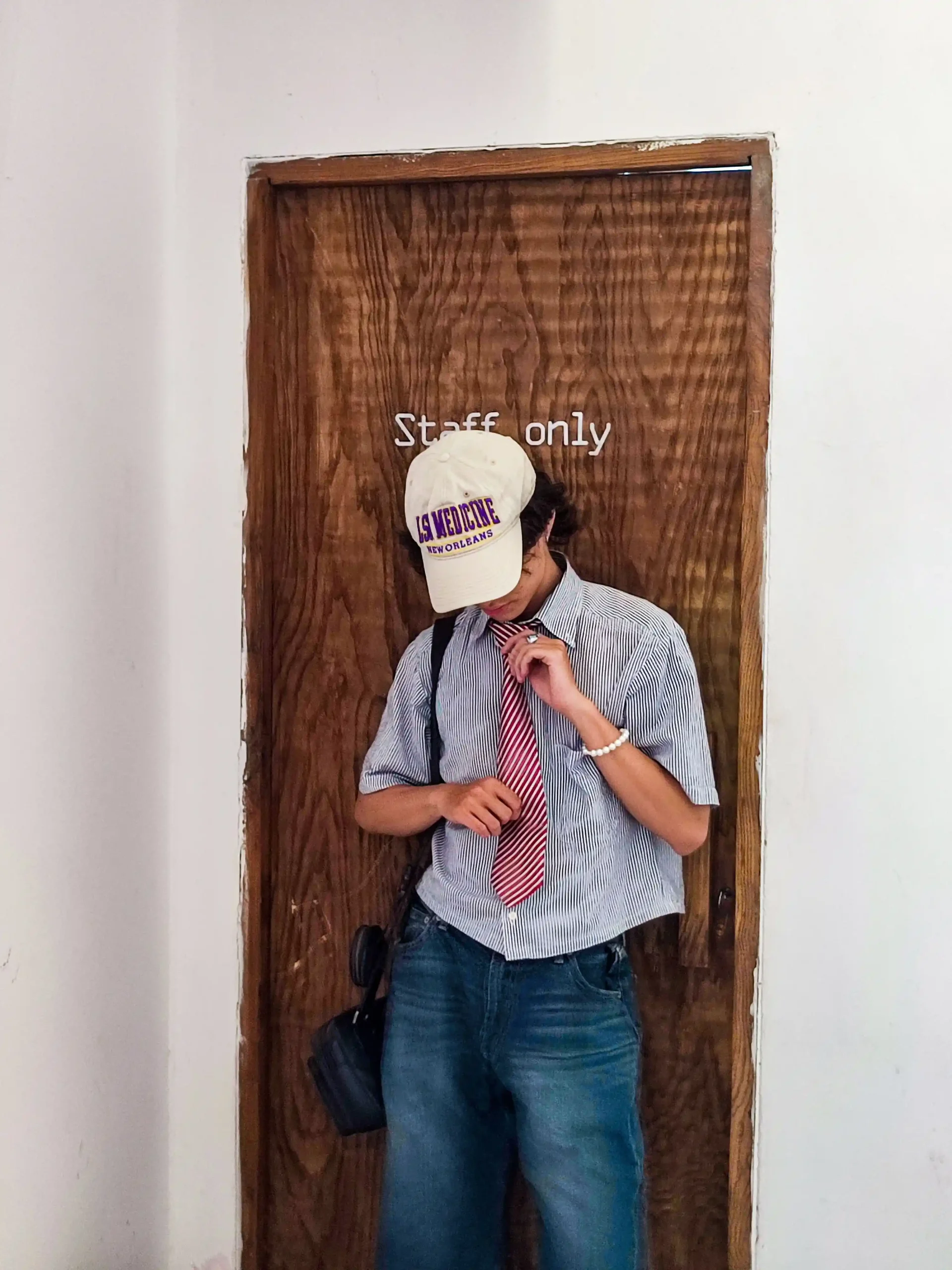
Back in my day, celebrities knew something very important.
Not everything needed to be announced.
A celebrity could have a bad day without posting about it.
A couple could break up without releasing twelve statements, three cryptic Instagram stories, and a song that mysteriously appears the next morning.
An actor could get into an argument without accidentally livestreaming the entire thing to millions of strangers.
And if a celebrity made a mistake?
Somebody called the publicist.
Thank goodness.
Because apparently today, everyone has a phone, an internet connection, and absolutely no fear of pressing “Post.”
I would like to speak to the manager.
Actually, bring me the publicist.
We need to talk.
Celebrity culture has changed dramatically over the years. Social media has given celebrities more direct access to their fans, allowing them to control their own image, promote projects, share personal moments, and respond directly to public conversations.
That can be a wonderful thing.
But it has also created a strange new era where celebrity oversharing, social-media drama, public feuds, relationship announcements, and carefully documented personal lives can become entertainment in their own right.
And sometimes I find myself looking at my phone thinking:
“Was this really necessary?”
Back in My Day, the Publicist Had a Job
Once upon a time, if a celebrity wanted to communicate something important to the public, there was usually a process.
There were interviews.
Press releases.
Magazine covers.
Television appearances.
Official statements.
And, somewhere behind the scenes, a publicist whose entire job was basically to prevent their famous client from saying something that would cause a three-day media disaster.
Imagine that.
Someone actually looked at the statement before it went public.
A celebrity might say something controversial in an interview, and their publicist would immediately start making phone calls.
A celebrity might be photographed somewhere they didn’t want to be photographed.
The publicist handled it.
A rumor started?
The publicist addressed it.
A reporter asked an uncomfortable question?
The celebrity had a carefully prepared answer.
There was a system.
There was a filter.
There was someone standing between the celebrity and the keyboard.
Honestly, we may need to bring that back.
Now the Celebrity Is the Publicist
Social media changed everything.
Platforms like Instagram, TikTok, X, YouTube, and other digital channels allow celebrities to communicate directly with audiences without going through traditional media organizations.
That means a celebrity can wake up, grab their phone, open an app, and address millions of followers before they’ve even had breakfast.
That is an extraordinary amount of power.
It is also an extraordinary amount of temptation.
Because sometimes the best response to a situation is silence.
But silence doesn’t generate engagement.
A carefully worded statement might be boring.
A vague post saying, “People will believe what they want to believe” followed by a broken-heart emoji?
Now that’s content.
Suddenly everyone is investigating.
Who is this about?
What happened?
Who did what?
Why did they post that?
Who unfollowed whom?
Who liked the post?
Who deleted a comment?
Someone needs to create a spreadsheet.
The Cryptic Instagram Story Has Entered the Chat
We need to discuss cryptic posts.
Because I have questions.
A celebrity posts:
“Some people reveal their true colors eventually.”
That’s it.
No explanation.
No context.
Nothing.
Now millions of people become detectives.
Fans start examining recent interviews.
Someone notices that another celebrity didn’t like the post.
Someone discovers they stopped following each other.
Another person finds an old photograph.
Suddenly we’re investigating an international mystery.
And the celebrity?
Probably sitting somewhere drinking coffee.
Meanwhile, the internet has already created seven theories.
Dear, if you have something to say, say it.
If you don’t want to say it, don’t say anything.
You cannot throw a mysterious sentence into the internet and then act surprised when people start asking questions.
That’s like throwing a match into a dry forest and complaining that people noticed the fire.
Celebrity Feuds Used to Be Much More Elegant
Old-school celebrity feuds had a certain theatrical quality.
Maybe two famous actors exchanged pointed comments in a magazine interview.
Maybe one singer made a suspiciously specific remark during a television appearance.
Maybe an entertainment columnist reported that two celebrities didn’t get along.
There was some mystery.
Today?
You can watch the feud unfold in real time.
One person posts.
The other responds.
Fans choose sides.
Someone uploads a video.
Someone else posts screenshots.
Then a friend gets involved.
Then the friend’s friend gets involved.
Then somebody says, “I’m staying out of it,” immediately followed by seventeen posts explaining exactly why they’re staying out of it.
I have never seen so many people stay out of something while standing directly in the middle of it.
Oversharing Has Become Part of Celebrity Culture
The relationship between celebrities and their audiences has become much more personal.
Fans may see what celebrities eat, where they travel, what they wear, who they spend time with, what products they use, and sometimes even what they’re arguing about.
There are obvious benefits to this.
Celebrities can show a more authentic side of themselves.
They can speak about causes they care about.
They can promote their work directly.
They can connect with fans who may never have had access to them before.
But there is a difference between authenticity and complete exposure.
You do not have to share everything to be authentic.
That is something I would like the internet to remember.
Privacy is not dishonesty.
Having boundaries is not being fake.
And keeping certain parts of your life private does not mean your fans are being deprived.
Some things can simply remain yours.
The Celebrity Breakup Press Conference That Nobody Asked For
Celebrity relationships have always fascinated the public.
That’s nothing new.
People have always wanted to know who famous people are dating.
But social media has transformed celebrity breakups into ongoing public events.
First comes the suspicious unfollow.
Then the deleted photographs.
Then the vague quote.
Then someone removes their relationship status.
Then fans notice that one person has stopped wearing a particular bracelet.
Then someone posts a song lyric.
And before you know it, the entire internet is conducting relationship archaeology.
Back in my day, people broke up and eventually a magazine reported it.
Now we have live updates.
“Day 4: She has removed his dog from her Instagram highlights.”
This is where I need to sit down.
The dog has become evidence.
Everyone Has a Camera Now
Another major difference between old-school celebrity culture and modern celebrity culture is that everyone can become a photographer.
Celebrity privacy has become much harder to maintain because smartphones are everywhere.
A celebrity goes to a restaurant.
Someone records them.
They walk through an airport.
Someone records them.
They have an awkward moment in public.
Someone records it.
They trip.
Someone records it.
They sneeze incorrectly.
Someone records it.
At some point, I would like to ask:
Can these people breathe?
Famous people are public figures, but being famous doesn’t mean every private moment automatically belongs to the public.
There is a difference between legitimate public interest and treating someone’s entire existence like a reality television program.
And sometimes the most respectful thing a person can do is simply put the phone down.
Yes.
I know.
Wild concept.
The Old Hollywood Rule: Don’t Say Too Much
Old-school Hollywood had its own problems, of course.
Let’s not romanticize the past.
Celebrity image management could be extremely controlled. Studios, publicists, managers, and media outlets had significant influence over what audiences saw.
Stars were often presented through carefully constructed public personas.
The difference is that the machinery was mostly behind the curtain.
Today, the curtain is practically transparent.
Celebrities can build their own brands directly.
Fans can interact with them.
Behind-the-scenes moments can become content.
Personal stories can become promotional tools.
And sometimes celebrities willingly turn parts of their private lives into public entertainment.
The old system was controlled by gatekeepers.
The new system is controlled partly by algorithms.
And honestly, I’m not sure which one is less exhausting.
Social Media Drama Has a Business Model
Here is something important to remember about modern celebrity culture.
Attention has value.
Likes have value.
Views have value.
Shares have value.
Comments have value.
Controversy generates attention.
Attention can generate followers.
Followers can generate opportunities.
And opportunities can generate money.
So when celebrity drama dominates social media, there may be more happening than simple personal conflict.
The platforms themselves reward content that gets people to stop scrolling.
And what makes people stop scrolling?
A shocking statement.
A dramatic video.
A public disagreement.
A celebrity feud.
A breakup.
A scandal.
A mystery.
Suddenly, “I have something to say” becomes content strategy.
Now I’m suspicious.
Very suspicious.
The Comment Section Has Become the Neighborhood Gossip Committee
And then we have the fans.
Oh, dear.
Celebrity social-media drama would not be nearly as powerful without audiences participating in it.
One person posts a rumor.
Another person shares it.
Someone adds their own theory.
Someone else claims to have “inside information.”
Then somebody comments, “I knew this was coming.”
Of course you did.
Everyone knew everything after it happened.
The internet has created a strange environment where people can feel like they personally know celebrities they’ve never met.
That emotional connection can be genuine from the fan’s perspective.
But it is still important to remember that following someone’s life online isn’t the same as actually knowing them.
A celebrity’s social media account is still a curated public space.
Even when it feels casual.
Even when they’re posting from bed.
Even when they are talking directly to the camera.
You are seeing what they choose to show.
Not Every Celebrity Moment Needs a Response
This is where my imaginary publicist hat comes back on.
Celebrity receives criticism?
Wait before responding.
Celebrity sees a rumor?
Maybe ignore it.
Celebrity has an argument?
Call your publicist.
Celebrity wants to explain something?
Write it down first.
Read it again tomorrow.
Then decide whether the internet really needs it.
Because social media encourages immediate reactions.
And immediate reactions are not always good reactions.
Once something is posted publicly, it can be screenshotted, copied, shared, archived, discussed, analyzed, and turned into headlines.
Deleting it doesn’t necessarily erase it.
That is why celebrities who maintain some restraint can sometimes avoid turning a small situation into a massive one.
Not every fire needs gasoline.
Sometimes it needs a hose.
Sometimes it needs silence.
But Social Media Has Given Celebrities Something Valuable
Now, before I completely march back to 1987, let’s give social media some credit.
Direct communication with fans can be wonderful.
Celebrities can announce projects without waiting for a magazine cover.
Musicians can share new songs directly.
Actors can promote films.
Artists can showcase behind-the-scenes work.
Public figures can correct misinformation about themselves.
Fans can see more personality beyond carefully managed interviews.
Independent creators can build audiences without traditional entertainment gatekeepers.
That is a major change.
And not all celebrity oversharing is bad.
Sometimes sharing personal experiences can help people feel less alone.
Sometimes celebrities use their platforms to raise awareness or support charitable causes.
Sometimes a silly behind-the-scenes video is exactly what people need after a long day.
I’m not against social media.
I’m against the unnecessary drama.
There is a difference.
Bring Back the Publicist, Please
Maybe celebrities don’t actually need to go back to the old system.
Maybe they just need one person to occasionally ask:
“Are you sure you want to post that?”
That’s it.
No complicated strategy.
No 47-page communication plan.
Just someone sitting beside them saying:
“Put the phone down.”
“Sleep on it.”
“Do not respond.”
“Stop typing.”
“Please do not mention the other celebrity.”
“Absolutely do not post the screenshot.”
“Why are you still typing?”
That person deserves a raise.
Celebrity Etiquette in the Social Media Age
Perhaps modern celebrity etiquette doesn’t need to mean being silent or perfectly polished.
It could simply mean having boundaries.
Don’t turn every disagreement into public entertainment.
Don’t use vague posts to provoke people and then complain about speculation.
Don’t share private information about other people without considering the consequences.
Don’t assume your followers are entitled to every detail of your personal life.
And remember that deleting something doesn’t necessarily undo the impact.
At the same time, celebrities are human beings.
They can make mistakes.
They can change their minds.
They can apologize.
They can learn.
They can have imperfect moments.
The public doesn’t need to demand perfection.
But celebrities also don’t have to give the public a front-row seat to every argument.
There is a middle ground.
Somewhere between complete secrecy and livestreaming your emotional breakdown is a perfectly respectable place called “None of Your Business.”
And honestly?
I support it.
Final Thoughts: Somebody Call the Publicist
Celebrity culture has gone from carefully managed interviews and publicists handling sensitive situations to celebrities communicating directly with millions of people through social media.
That change has brought incredible opportunities.
Fans can connect with artists more directly.
Celebrities can control their own narratives.
Creators can build audiences without traditional gatekeepers.
But it has also created a culture where personal drama can become public entertainment within minutes.
A cryptic post becomes a headline.
A breakup becomes a detective case.
A disagreement becomes a feud.
A deleted photo becomes evidence.
And one questionable late-night post can become tomorrow morning’s entertainment news.
Back in my day, celebrities had publicists for this nonsense.
Someone handled the statement.
Someone checked the wording.
Someone said, “Maybe don’t say that.”
Someone protected the celebrity from themselves.
And frankly, I think we could use a little more of that.
Not because celebrities need to be perfectly polished.
Not because they shouldn’t have personalities.
Not because social media is inherently bad.
But because sometimes the smartest thing a famous person can say is absolutely nothing.
Put the phone down.
Walk away.
Drink some water.
Call your publicist.
And whatever you do, dear, do not post the screenshot.
Because the moment you press “share,” the internet has receipts.
And unlike your old publicist, the internet never goes home.
Now excuse me.
I just saw two celebrities unfollow each other, and apparently that means we have a situation.
Somebody call the manager.
Better yet, call the publicist.
I have a feeling we’re going to need one.
Leave a Reply